
When a furnace starts failing, comfort inside the home changes quickly and rarely for the better. Cold spots, rising utility bills, and unfamiliar noises often appear before a complete breakdown. Homeowners usually feel pressured to make quick decisions when heating becomes unreliable. That urgency can blur essential details that affect safety, performance, and long-term costs. A clear understanding of furnace installation allows homeowners to move forward with confidence rather than react under stress.
Furnace Installation Explained for Homeowners
Furnace installation is the professional installation of a heating system that delivers reliable warmth throughout a home. This process includes removing old equipment, preparing connections, and configuring the new unit for proper operation. Every house has structural and mechanical details that influence installation outcomes. Thoughtful preparation improves efficiency, comfort, and system longevity.
What Furnace Installation Includes
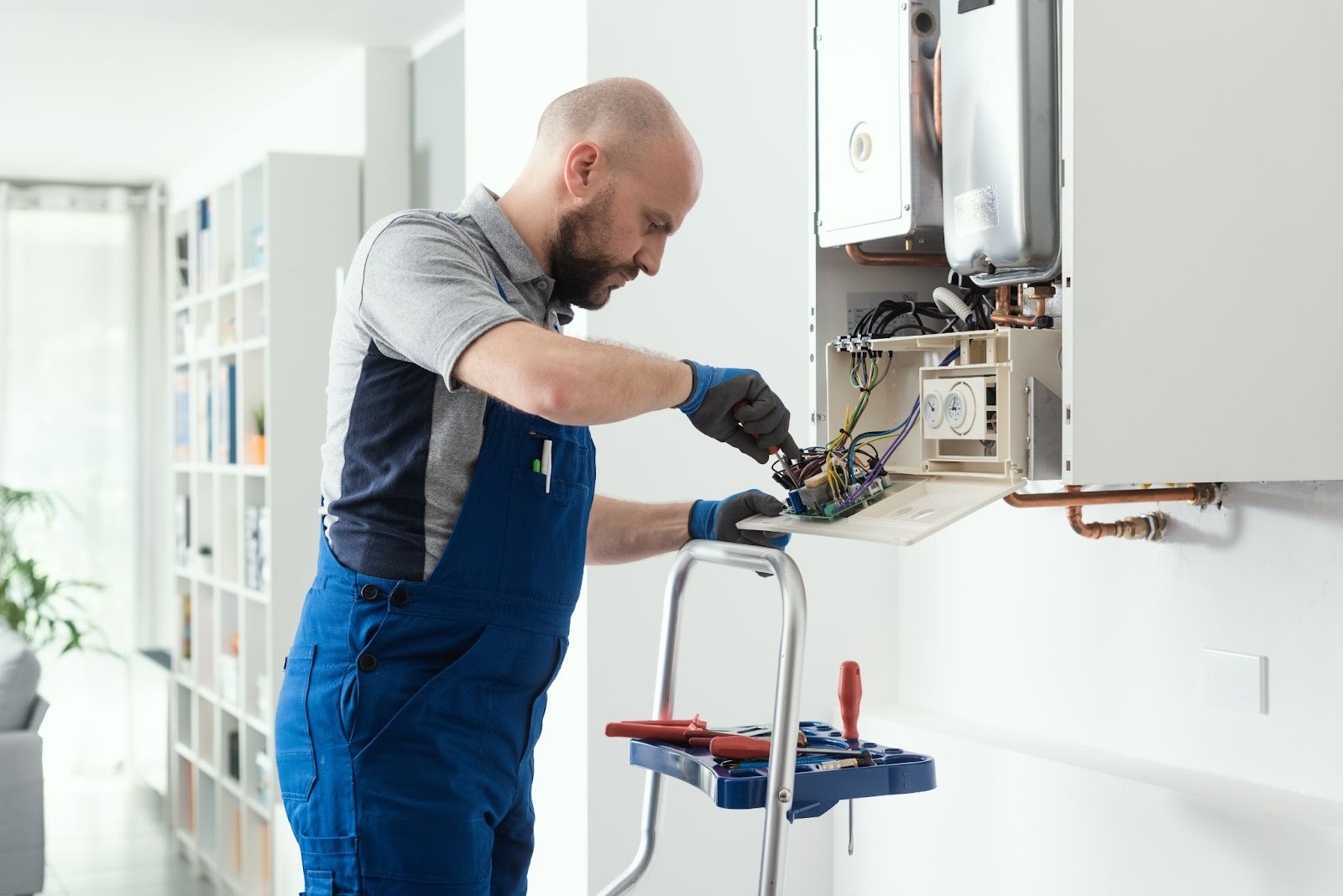
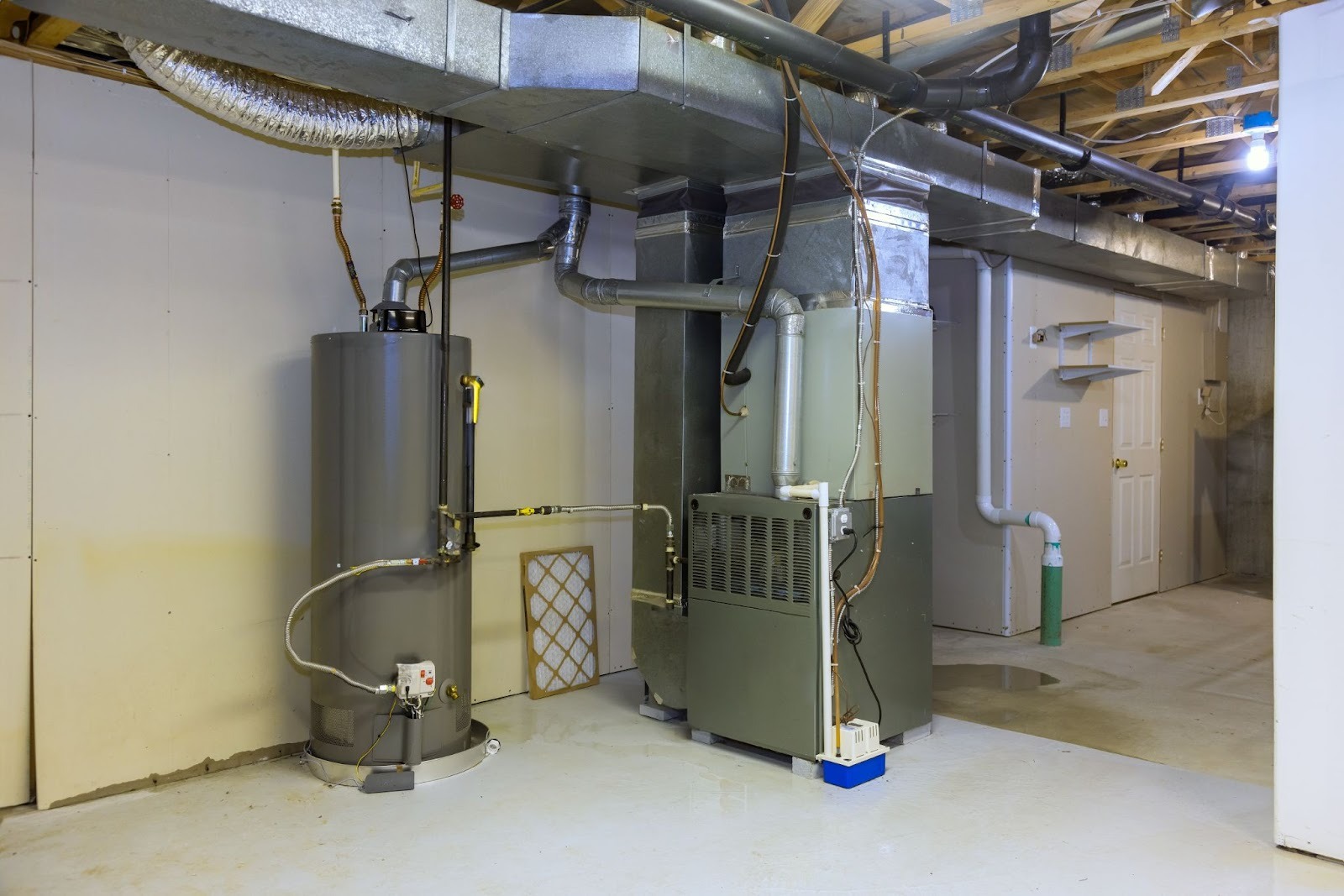
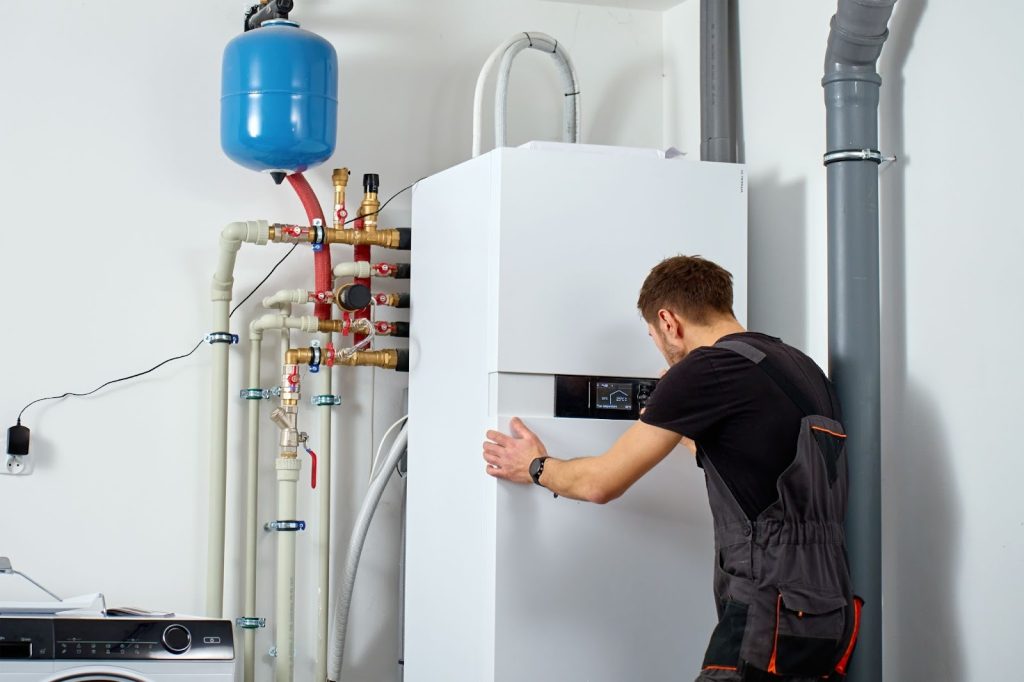
Furnace installation begins with a detailed evaluation of the home’s heating infrastructure. Technicians examine ductwork, fuel lines, electrical capacity, and ventilation to confirm compatibility. Old furnaces require careful removal to avoid damage and safety hazards. The new unit must be positioned correctly to support airflow and accessibility. Calibration follows to adjust temperature output, airflow balance, and safety controls. Final testing confirms the system operates as intended before the job concludes.
Furnace Replacement vs. New Installations
Furnace replacement typically involves installing a new unit within an existing system framework. New installations require additional planning because ductwork and utility connections may not yet be in place. Older homes often need electrical or gas upgrades to support modern equipment. Installation timelines depend on these conditions. Replacement projects usually move faster than first-time installations. Understanding the scope helps homeowners plan schedules realistically.
How Long Does a Furnace Installation Usually Take
Most furnace installations finish within a single day when conditions remain straightforward. Homes with complex layouts may take longer to complete adjustments. Permit inspections can affect final approval timelines. Weather conditions sometimes delay performance testing. Contractors usually communicate expected durations in advance. Clear expectations reduce household disruption.
Choosing the Right Furnace for Your Home
Selecting a furnace affects both comfort and operating costs for years to come. Homes differ in size, insulation, and layout, which shape heating needs. Climate and fuel access also influence performance. Choosing equipment based on these factors supports steady indoor temperatures.
Furnace Size and Heating Capacity
Furnace size refers to heat output rather than physical dimensions. Oversized systems heat spaces too quickly and shut off too often, wasting energy. Undersized units struggle to keep rooms comfortable during colder periods. Square footage alone does not determine capacity needs. Ceiling height and insulation quality affect heat retention. Professional load calculations provide accurate sizing guidance.
Residential Furnace Fuel Options
Gas furnaces deliver consistent heat and remain widely available. Electric furnaces are suitable for homes without gas access and offer a more straightforward installation. Oil furnaces still serve rural areas with limited infrastructure. Each fuel option carries different operating expenses. Local fuel pricing influences long-term affordability. Regional availability often guides final decisions.
Understanding Furnace Efficiency Ratings
Efficiency ratings show how effectively a furnace converts fuel into heat. Higher ratings result in lower monthly energy consumption over time. Advanced models usually cost more initially. Some homes need venting upgrades to support high-efficiency units. Efficiency choices affect lifetime ownership costs. Comparing ratings helps homeowners manage expenses wisely.
Factors That Influence Furnace Installation Costs
Furnace installation costs vary depending on the equipment selected and labor requirements. Home conditions often increase project complexity. Additional upgrades can affect the final price. Knowing cost factors prevents unexpected expenses.
Furnace Equipment Pricing and Features
Furnace prices depend on size, efficiency level, and included features. Variable-speed blowers provide smoother temperature control. Smart thermostat compatibility improves convenience. Durable components often increase upfront costs. Manufacturer warranties add value. Comparing features helps homeowners avoid unnecessary upgrades.
Labor Costs and Installation Complexity
Labor costs reflect installation time and technical skill. Limited access areas increase work difficulty. Duct modifications require specialized expertise. Electrical or gas upgrades add labor hours. Code compliance steps extend installation time. Precise estimates outline labor expectations.
Permits and Local Inspection Requirements
Many areas require permits for furnace installation. Inspections confirm safety and code compliance. Permit fees vary by location. Failed inspections can delay system use. Licensed contractors manage these requirements efficiently. Homeowners should confirm permit responsibilities early.
Long-Term Operating and Ownership Costs
Operating costs continue long after installation. Efficient furnaces reduce energy consumption. Maintenance needs vary by system type. Repair frequency affects household budgets. Warranty coverage offsets some expenses. Lifetime cost evaluation supports informed decisions.
Preparing Your Home for Furnace Installation Day
Preparation improves installation efficiency and safety. Homeowners influence readiness through simple actions. Organized spaces reduce delays. Preparation supports a smoother experience.
Clearing Access and Work Areas
Technicians need clear access to the furnace location. Stored items should be removed beforehand. Clear pathways reduce accidental damage. Utility spaces require adequate lighting. Pets should remain secured during work. Organized areas support faster completion.
Utility Access and System Readiness
Gas shutoffs and electrical panels must remain accessible. Electrical panels require sufficient clearance. Old ductwork may need inspection access. Venting paths should remain unobstructed. Prepared utilities prevent unexpected delays. Coordination improves workflow.
Communicating Before Installation Begins
Reviewing installation plans prevents confusion. Homeowners should confirm equipment models and features. Timelines influence daily routines. Final questions clarify expectations. Emergency contact information supports communication. Open discussion builds confidence.
How to Select a Furnace Installation Contractor
Contractor quality affects heating performance and reliability. Experience and training matter more than advertising. Professional standards protect homeowners. Careful selection reduces risk.
Licensing, Insurance, and Technical Training
Licensed furnace contractors meet regulatory standards. Insurance coverage protects property owners. Manufacturer certifications reflect specialized training. Ongoing education keeps technicians current. Documentation verifies qualifications. Homeowners should request proof.
Experience With Homes Like Yours
Experienced contractors recognize layout challenges quickly. Older homes require different approaches than newer builds. Modern homes include advanced systems. Regional experience informs fuel recommendations. Past work demonstrates problem-solving ability. Experience improves outcomes.
Transparent Estimates and Written Agreements
Written estimates outline equipment, labor, and permits. Transparent pricing avoids hidden charges. Detailed proposals support informed choices. Payment schedules should appear clearly. Warranty terms require explanation. Clear agreements protect both parties.
Post-Installation Support and Service
Reliable contractors provide ongoing support. Maintenance plans extend system lifespan. Responsive service teams address concerns quickly. Warranty service procedures should remain clear. Follow-up visits confirm performance. Continued support builds trust.
Common Furnace Installation Mistakes to Avoid
Mistakes often result from rushed decisions. Some errors reduce comfort immediately. Others increase costs over time. Awareness helps homeowners avoid problems.
Skipping Professional Furnace Evaluations
Online tools cannot replace in-home assessments. Every home has unique heating demands. Guesswork leads to sizing errors. Improper sizing wastes energy. Comfort issues appear quickly. Professional evaluations improve accuracy.
Choosing Price Over Overall Value
Low bids may indicate shortcuts. Installation quality affects system lifespan. Poor craftsmanship increases repair needs. Limited warranties reduce protection. Energy waste raises monthly bills. Value-driven choices perform better.
Overlooking Existing Ductwork Conditions
Old ductwork often leaks air. Leaks reduce heating efficiency. Restricted airflow causes uneven temperatures. Insulation gaps increase energy loss. Repairs improve comfort noticeably. Duct evaluations support performance.
What to Expect After Furnace Installation
Installation completion begins long-term system ownership. Follow-up steps protect performance. Homeowners benefit from understanding the operation. Ongoing care supports reliability.
System Testing and Performance Verification
Technicians test furnace output after installation. Airflow balancing confirms even distribution. Thermostat settings receive adjustment. Safety controls undergo verification. Noise levels receive evaluation. Testing confirms readiness.
Homeowner Education and Walkthrough
Contractors explain the daily operation clearly. Filter locations receive identification. Thermostat programming gets a demonstration. Safety features require explanation. Maintenance schedules should be reviewed. Walkthroughs build confidence.
Maintenance Habits That Support Longevity
Regular filter changes maintain airflow. Annual inspections detect developing issues. Cleaning reduces component strain. Monitoring unusual sounds supports early diagnosis. Documentation supports warranty claims. Consistent care maintains efficiency.
Plan Furnace Installation With Confidence
Furnace installation decisions shape how comfortable and predictable life at home feels during colder months. A well-planned installation reduces energy waste, limits repair disruptions, and supports consistent heating when it matters most. Homeowners who pause to evaluate options, contractors, and system needs take control rather than react to problems. Scheduling furnace installation with clear priorities sets the foundation for dependable comfort and long-term value.
Explore practical insights on home comfort on the Prestige—Plumbing, Heating, and Cooling blog and stay informed before your next heating decision.