
Most homeowners rely on their plumbing every day without giving it much thought. Water flows, drains clear, and everything feels routine until something feels slightly off. A subtle change in pressure, an unfamiliar sound, or a faint odor often seems easy to ignore at first. Over time, those small details can turn into costly disruptions that affect comfort, safety, and property value. Paying attention to how your plumbing behaves during everyday use gives you an advantage before problems grow harder to manage.
Why Plumbing Problems Often Go Unnoticed
Plumbing problems often go unnoticed because most of the system stays hidden from view. Pipes run behind walls, under floors, and beneath foundations, which keeps warning signs out of sight. Gradual changes also feel less alarming when they develop slowly. That combination allows minor issues to settle in quietly.
Daily Habits That Mask Plumbing Changes
Daily routines make it easy to overlook subtle plumbing changes. Morning schedules leave little time to question why a sink drains more slowly than usual. A drip that only happens occasionally blends into the background noise. Over time, these changes feel normal rather than concerning. Plumbing systems depend on steady performance, so even minor deviations matter. Noticing changes during everyday use helps prevent larger disruptions later.
Hidden Pipes Delay Problem Recognition
Hidden pipes make plumbing problems harder to detect early. A slow leak behind drywall can continue for weeks without visible damage. Moisture spreads quietly into framing, insulation, and nearby materials. By the time stains appear, the affected area is often larger than expected. Repairs then involve both plumbing and structural work. Knowing where pipes run helps homeowners respond sooner.
Plumbing Warning Signs That Deserve Attention
Plumbing problems rarely begin with apparent failures, yet they almost always leave subtle clues behind. These clues appear through changes in sound, water flow, odors, or household surfaces, often long before visible damage sets in. Homeowners who notice these shifts gain valuable time to address issues while repairs remain manageable. Understanding what these warning signs look and feel like makes it easier to recognize why the following problems occur and how they connect.
Water Pressure Changes
Changes in water pressure usually indicate internal plumbing issues. When pressure shifts without an apparent reason, something within the system has changed. These changes often relate to leaks, buildup, or pipe wear. Addressing pressure problems protects fixtures and connected appliances.
Sudden Drops in Water Pressure
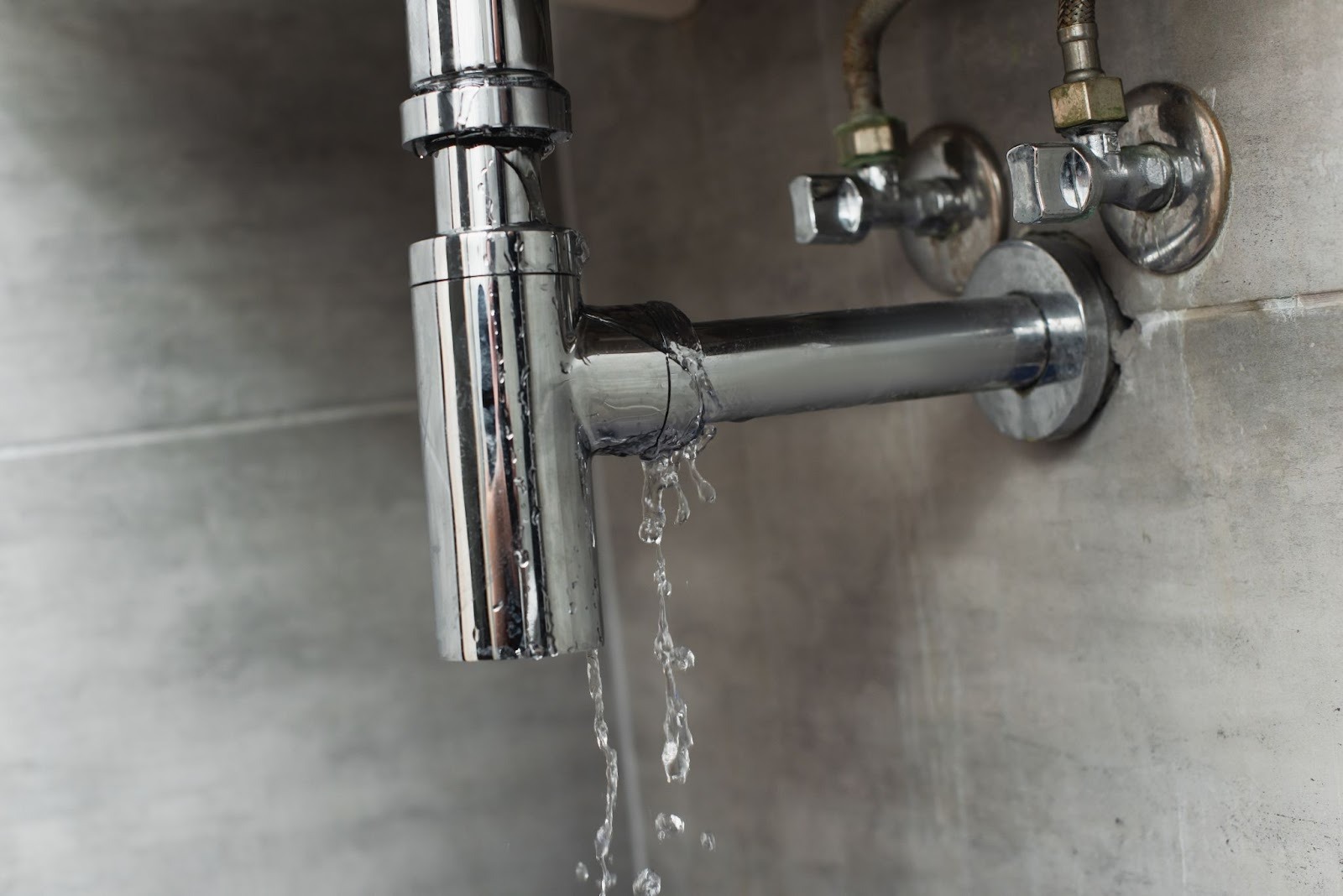
Sudden drops in water pressure affect multiple fixtures simultaneously. That loss often points to a leak somewhere along the supply line. Water escapes through cracks or loose connections before reaching faucets. Pressure may worsen when several fixtures run together. Many homeowners assume the issue comes from the utility provider. Persistent drops typically trace back to plumbing inside the home.
Uneven Pressure Between Fixtures
Uneven pressure happens when water flows well in one area but struggles in another. Partial blockages inside pipes often cause this imbalance. Mineral buildup gradually narrows the interior of aging pipes. Fixtures farther from the main supply line usually show symptoms first. Over time, uneven flow stresses the entire system. Paying attention to these differences helps prevent wider damage.
Unusual Sounds From Plumbing Systems
Unusual plumbing sounds often reveal pressure or airflow problems inside pipes. While some noise is normal, new or sharper sounds deserve attention. These sounds usually occur before visible damage. Listening closely provides valuable clues about system health.
Banging or Knocking Pipes
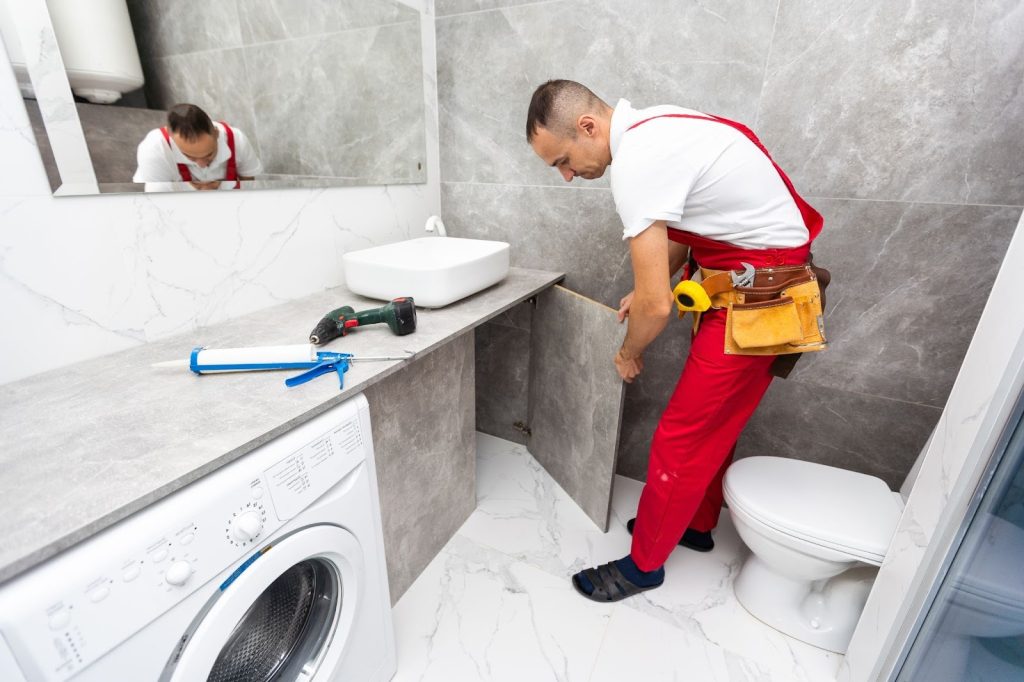
Banging or knocking sounds occur when the water flow stops abruptly—pressure forces pipes to move against the surrounding framing. Repeated movement loosens fittings and stresses joints over time. The noise may start quietly and grow more noticeable. Many homeowners dismiss it as harmless at first. Persistent knocking usually means the system needs adjustment.
Gurgling Drains After Use
Gurgling drains signal trapped air within drainage lines. Blockages interrupt smooth water flow and force air to escape. The sound often follows flushing or draining a sink. Over time, gurgling may appear more frequently. This noise usually precedes backups or slow drainage. Addressing airflow restores proper function.
Slow Drains and Recurring Clogs
Slow drains often reflect buildup within plumbing lines. While occasional clogs happen, repeated issues suggest deeper problems. Drain performance connects directly to system health. Ignoring patterns allows restrictions to grow.
Slow Drains That Keep Returning
Recurring slow drains usually indicate buildup beyond surface clogs. Hair, soap residue, and grease collect gradually inside pipes. Temporary fixes appear to address symptoms but leave deeper debris behind. Each recurrence increases pressure within the line. Over time, that strain weakens pipe walls. Thorough cleaning addresses the real cause.
Multiple Fixtures Draining Slowly
When several fixtures drain slowly at once, the issue often involves the main line. Debris accumulation or root intrusion commonly causes this problem. Underground pipes experience pressure from the surrounding soil and movement. Symptoms worsen during heavy water use. Lower-level fixtures usually show issues first. Inspecting the main line prevents broader disruption.
Rising Water Bills Without Clear Cause
Rising water bills often point to hidden plumbing problems. Leaks and running fixtures waste water quietly. Comparing current bills to past usage reveals patterns. Investigating changes early prevents unnecessary expense.
Hidden Leaks Behind Walls or Floors
Hidden leaks increase water bills without obvious signs. Water seeps into structural materials silently. Over time, moisture weakens wood, drywall, and flooring. Bills rise even when daily habits remain unchanged. Mold may develop as humidity lingers. Early detection limits the repair scope.
Toilets That Run Without Notice
Running toilets waste water continuously throughout the day. Worn internal components allow water to flow nonstop. The sound often fades into the background noise. Over weeks, wasted water becomes costly. Toilets remain one of the most common sources of hidden loss. Simple repairs restore efficiency.
Visible Water Damage Inside the Home
Visible water damage usually signals ongoing plumbing issues. Stains and warping appear after prolonged exposure to moisture. These signs rarely improve without addressing the underlying cause. Prompt attention reduces long-term impact.
Wall and Ceiling Discoloration
Discoloration on walls or ceilings indicates trapped moisture. Stains often appear yellow or brown and grow slowly. Paint may bubble, peel, or crack nearby. Damage usually worsens after water use. This visible change suggests an active leak. Locating the source prevents further spread.
Warped Floors and Baseboards
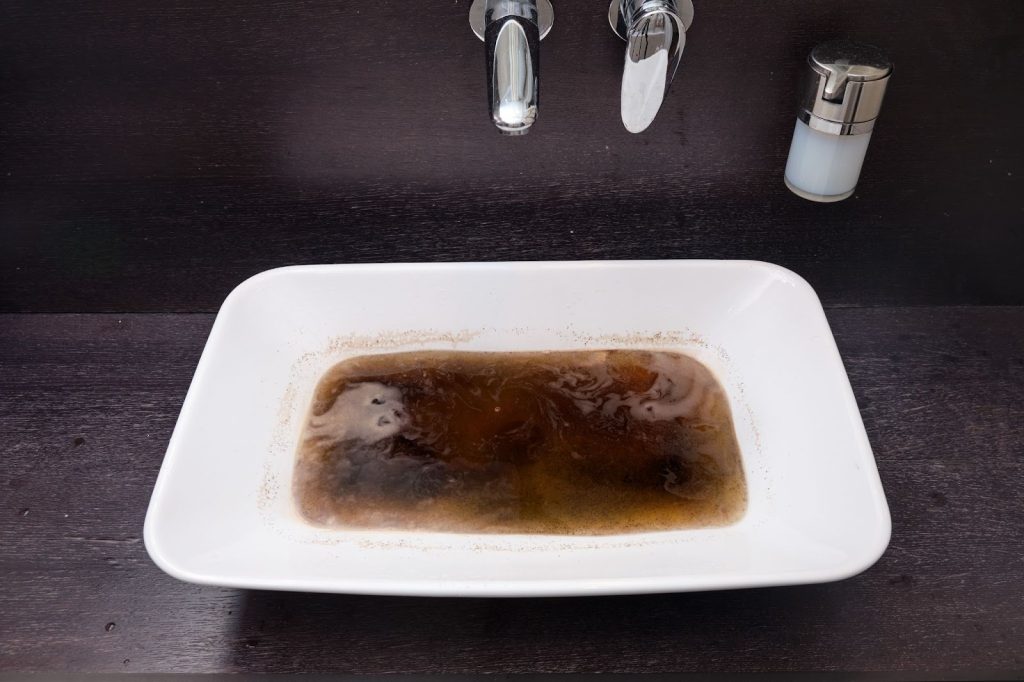
Warped floors develop when wood absorbs moisture over time. Baseboards often show damage near leaks first. Water may spread beneath surfaces before becoming visible. Flooring materials lose stability as humidity lingers. Repairs grow more complex with delay. Addressing leaks quickly reduces restoration work.
Persistent Odors Linked to Plumbing
Persistent odors often originate from plumbing issues. Smells usually indicate airflow or drainage problems. These odors rarely disappear without intervention. Identifying the source improves comfort and safety.
Sewer Smells Inside Living Areas
Sewer smells inside living spaces point to venting issues. Dry drain traps allow gases to escape into rooms. Cracked or blocked vent pipes worsen the problem. Odors may intensify during weather changes. Long-term exposure affects indoor air quality. Professional inspection identifies vent failures.
Musty Odors Near Fixtures
Musty odors near sinks suggest hidden moisture. Slow leaks create damp conditions inside cabinets. Wood and drywall absorb moisture easily. Cleaning does not remove the underlying cause. Mold often develops in these environments. Fixing leaks restores healthier air.
Aging Plumbing Systems and Wear
Aging plumbing systems face a higher risk of failure. Materials degrade after years of constant use. Wear increases the likelihood of leaks and pressure issues. Planned inspections help manage aging systems.
Corroded Pipes and Water Changes
Corroded pipes affect the appearance and flow of water. Rust may discolor water during use. Corrosion weakens pipe walls gradually. Leaks become more likely as damage spreads. Pressure fluctuations often follow. Planning replacement reduces unexpected failures.
Outdated Pipe Materials in Older Homes
Outdated pipe materials fail more often with age. Some older plastics and metals degrade unevenly. Insurance concerns may arise with these systems. Modern materials offer improved durability. Upgrading reduces repair frequency. Planned updates protect property value.
Why Plumbing Warning Signs Need Prompt Attention
Plumbing warning signs signal problems that rarely resolve on their own. Minor issues often expand into disruptive repairs. Addressing concerns sooner protects the home’s structure. Timely responses reduce stress and expense.
Situations That Require Professional Help
Persistent leaks require expert evaluation. Recurring clogs often involve deeper system issues. Pressure changes usually indicate hidden damage. Sewer odors raise safety concerns. Licensed plumbers use specialized tools for diagnosis. Professional repairs protect system reliability.
Preventive Maintenance Protects Property
Preventive maintenance identifies issues before damage spreads. Routine inspections reveal wear and buildup early. Minor repairs remain manageable when handled promptly. Plumbing efficiency improves with consistent care. Long-term costs decrease with maintenance. Homeowners gain confidence in system performance.
Protect Your Home From Hidden Plumbing Problems
Plumbing issues rarely wait for a convenient moment, and the longer they go unchecked, the more control they gain over your home’s condition and costs. Paying attention to subtle changes in water flow, sound, or odor shifts plumbing care from damage control to innovative prevention. A home that receives timely plumbing attention stays safer, more efficient, and easier to maintain over time. When something feels off, responding with purpose rather than delay helps keep minor concerns from reshaping your living space.
Clarity starts with the correct information. Read more expert plumbing advice on the Prestige—Plumbing, Heating, and Cooling blog and protect your home with informed choices.