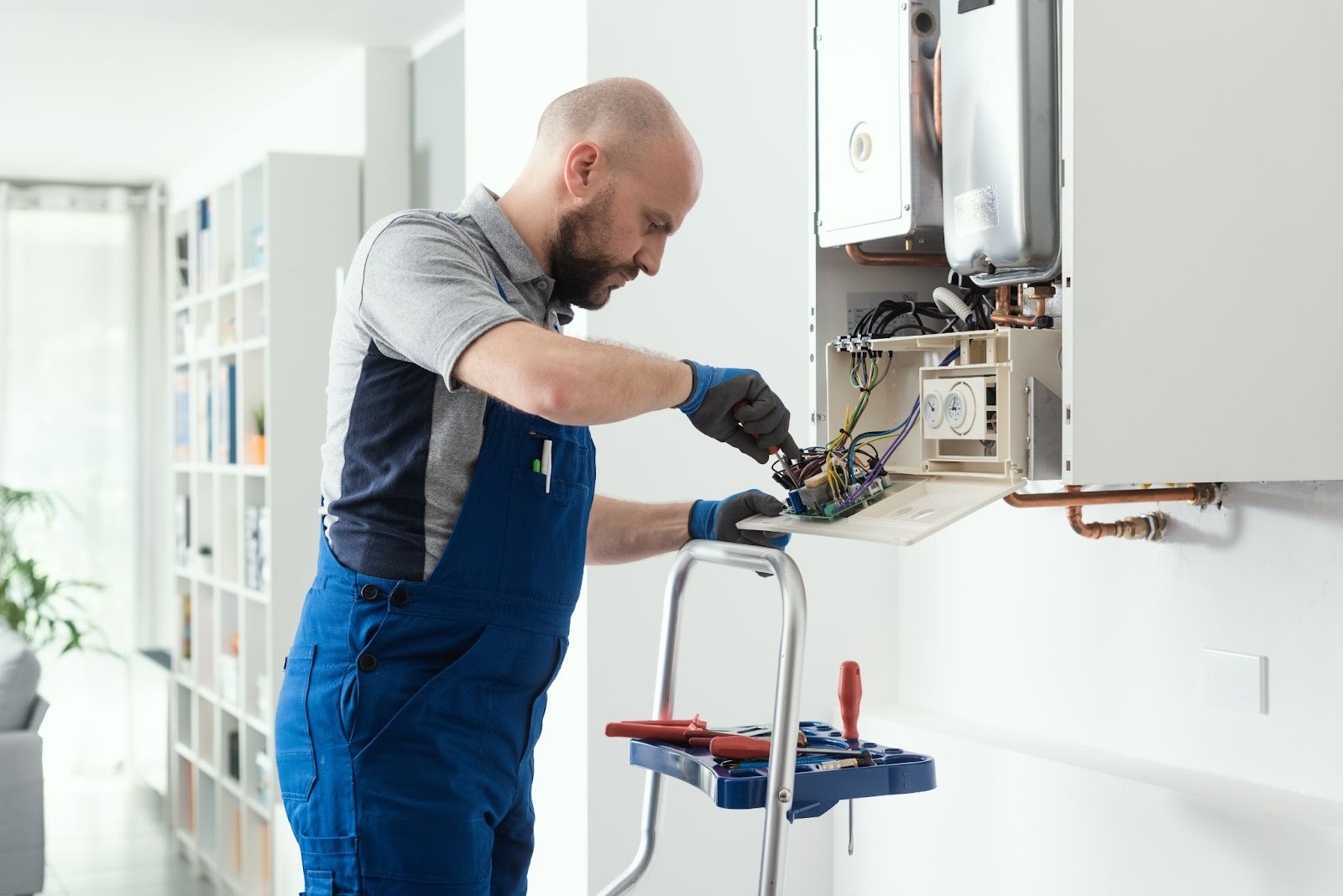

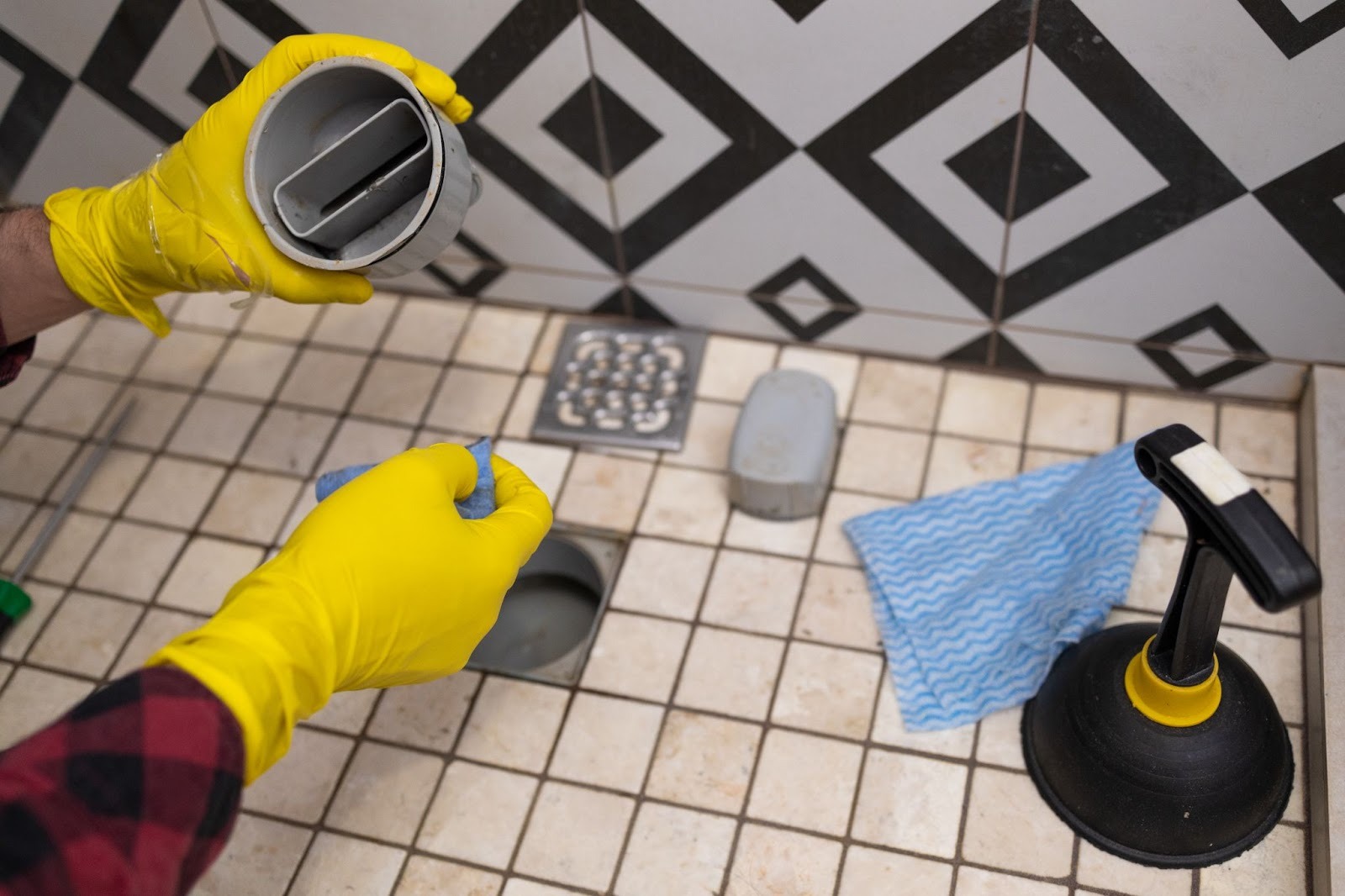
Most homeowners do not think much about their drains until something feels off. A slow-draining sink or a shower that leaves water at your feet often seems manageable at first. Over time, those minor annoyances begin to interrupt routines and raise concerns about plumbing damage. Drain cleaning services help keep pipes functioning as intended, quietly supporting daily life behind the walls. Knowing how often to schedule professional drain care helps homeowners stay ahead of problems rather than react to them.
Why Drain Cleaning Services Matter for Homes
Drain cleaning services remove accumulated debris that restricts water flow inside residential plumbing systems. Clear pipes reduce stress on fixtures, appliances, and underground lines. When drainage remains consistent, homeowners avoid repeated clogs and unpleasant surprises. A routine maintenance plan creates stability and protects long-term plumbing performance.
How Drain Buildup Develops Over Time
Drain buildup forms when grease, soap residue, hair, and food particles accumulate on the inside of the pipe over time. These materials layer gradually and narrow the pathway through which water needs to flow freely. Early on, drains still function, which makes the issue easy to ignore. Continued use hardens deposits and further slows drainage. Pressure increases as water struggles to move past restrictions. Drain cleaning services remove this buildup before it becomes disruptive.
Why Minor Drain Issues Spread Quickly
Minor drainage problems rarely stay isolated. Waste from multiple fixtures often collects in shared drain lines. As debris accumulates, water flow throughout the system slows. This system-wide strain increases wear on joints and seals. Over time, one slow drain can affect several areas of the home. Regular drain cleaning services limit this spread.
Recommended Drain Cleaning Service Frequency
Drain cleaning frequency depends on how a home uses its plumbing system. Preventive scheduling reduces the chance of unexpected blockages. Professional drain cleaning services work best when planned around real household conditions. General guidelines provide a reliable starting point.
Annual Drain Cleaning for Average Homes
Annual drain cleaning is suitable for homes with typical water usage and modern plumbing. This schedule clears residue that builds up slowly throughout the year. Kitchens, bathrooms, and laundry drains benefit from consistent maintenance. Plumbers also inspect the condition of pipes during service. Minor issues are easier to manage when caught early. Predictable service keeps plumbing performance steady.
Semiannual Cleaning for Busy Households
Homes with large families place heavier demands on plumbing systems. Frequent showers, cooking, and laundry cycles increase the flow of debris. Guest visits and busy schedules add extra strain. Semiannual drain cleaning services help manage this volume. This approach reduces repeated slowdowns and clogs. High-use homes often see better reliability with this schedule.
Flexible Schedules for Newer Plumbing Systems
Newer homes often resist buildup longer due to smoother pipe materials. Efficient fixtures reduce the volume of waste entering drains. These systems may allow slightly longer service intervals. However, skipping maintenance entirely invites gradual blockage. Periodic professional evaluations help adjust schedules. Drain cleaning services adapt as plumbing systems age.
Behavioral Habits That Influence Drain Cleaning Frequency
Every day, household habits shape how often drains need professional attention. Small actions like rinsing grease, overusing soap, or letting debris slip past strainers can compound inside pipes over time. These behaviors rarely cause immediate problems but accelerate internal buildup. Drain cleaning services account for standard usage patterns while helping homeowners maintain realistic maintenance schedules.
Factors That Affect Drain Cleaning Schedules
Drain cleaning schedules vary because every home uses water differently. Several factors influence how quickly buildup forms inside pipes. Understanding these influences helps homeowners make informed decisions. Customized drain-cleaning services reflect actual household needs.
Household Size and Daily Water Use
Larger households generate more wastewater through daily activities. Each shower, sink use, and appliance cycle adds residue to pipes. Short-term increases, such as increased visitor traffic, further raise usage. Higher water volume accelerates buildup formation. Homes with frequent use often need more frequent cleaning. Scheduling should match realistic usage patterns.
Pipe Age and Interior Surface Condition
Older pipes often have rougher interiors that trap debris more easily. Some materials corrode or scale over time. These changes reduce pipe diameter and restrict flow. Newer pipes resist buildup longer but still require care. Pipe condition plays a key role in cleaning frequency. Drain cleaning services adjust based on these factors.
Landscaping and Underground Influences
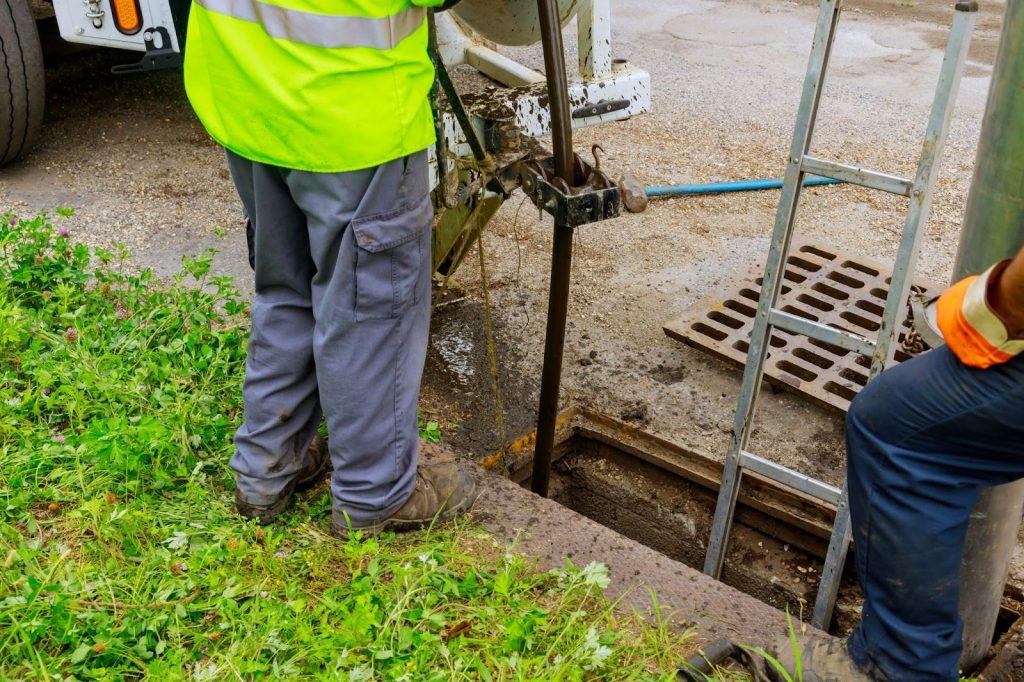
Tree roots seek moisture and may enter underground drain lines. Soil movement can shift pipes over time. Outdoor debris sometimes finds its way into indoor systems. These factors complicate drainage performance. Homes with heavy landscaping face unique risks. Professional drain-cleaning services identify and address these challenges.
Warning Signs You Need Drain Cleaning Services
Drain systems often show clear signs before complete failure occurs. Recognizing these signals helps homeowners respond promptly. Early attention limits disruption and repair complexity. Drain cleaning services restore normal flow when symptoms appear.
Slow Drains in Multiple Fixtures
When more than one drain slows, the issue likely extends beyond a single clog. Water pooling in sinks or tubs indicates restricted flow. Temporary fixes may improve drainage briefly. Repeated slowdowns suggest a deeper buildup inside shared lines. Professional drain cleaning services thoroughly clear these obstructions. Restored flow improves system-wide performance.
Frequent Clogs in the Same Areas
Recurring clogs often share a common source. Clearing one fixture does not resolve deeper restrictions. Repeated blockages increase frustration and maintenance costs. Drain cleaning services remove debris from entire lines. Comprehensive cleaning prevents repeated issues. Consistent performance returns after service.
Odors and Unusual Drain Sounds
Unpleasant smells usually come from trapped organic waste breaking down inside pipes. Gurgling sounds indicate air struggling to move past blockages. Cleaning products may hide odors briefly. These symptoms often return without professional cleaning. Drain cleaning services remove odor-causing residue. Proper airflow returns afterward.
Drain Cleaning Services by Area of the Home
Different areas of a home stress plumbing systems in various ways. Each space contributes unique waste types. Understanding these differences supports better maintenance planning. Area-specific drain cleaning services improve results.
Kitchen Drain Cleaning Needs
Kitchen drains handle grease, oils, and food scraps daily. Even careful disposal leaves residue behind. As grease cools, it solidifies inside pipes. Other debris sticks to these deposits. Over time, flow becomes restricted. Drain cleaning services keep kitchen plumbing functioning properly.
Bathroom and Shower Drain Maintenance
Bathroom drains collect hair, soap, and mineral deposits. These materials bind together and gradually slow drainage. Shared drain lines connect sinks, tubs, and showers. Problems often develop quietly over time. Regular drain cleaning services maintain a steady flow. Preventive care avoids sudden backups.
Laundry Room Drain Considerations
Laundry drains manage lint and detergent residue. Washing machines release fine fibers that traps may miss—detergent buildup coats pipe interiors. Over time, the flow slows without maintenance. Drain cleaning services remove this accumulation. Laundry areas benefit from periodic attention.
Professional Drain Cleaning vs. DIY Methods
Professional drain cleaning services address plumbing issues more thoroughly than home remedies. DIY methods often provide only short-term relief. Understanding the differences helps homeowners choose effective solutions. Long-term plumbing health depends on proper care.
Limitations of Chemical Drain Cleaners
Chemical cleaners dissolve surface clogs but miss deeper buildup. Repeated use weakens pipes and seals. Some products generate heat that damages materials. Temporary results lead to recurring problems. These risks outweigh convenience. Drain cleaning services avoid chemical damage.
Mechanical Tools and Their Limits
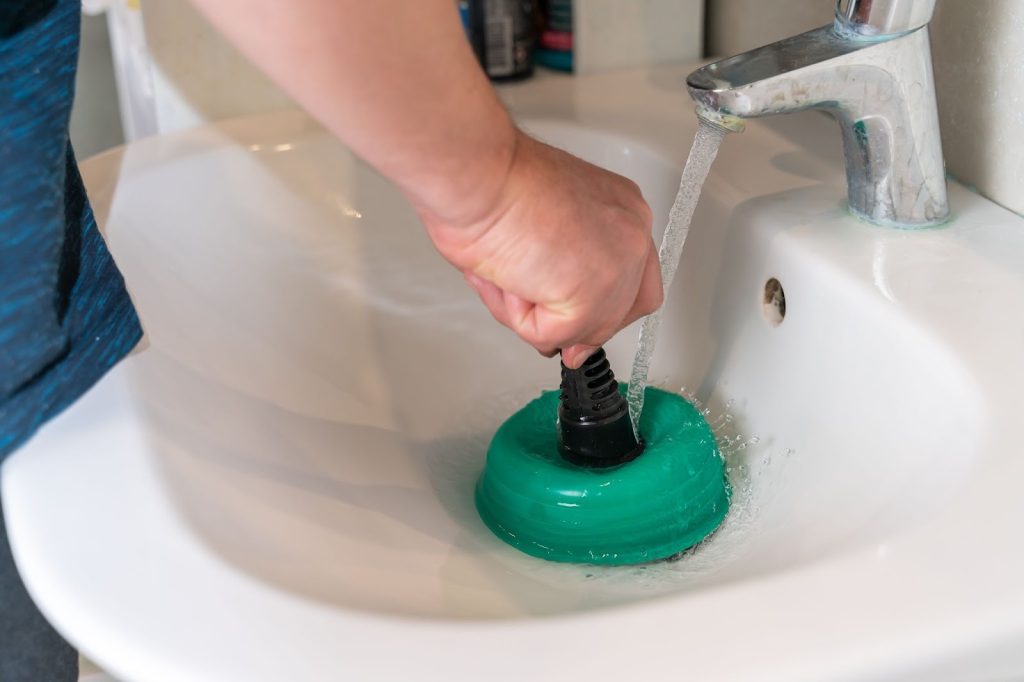
Plungers and small snakes reach only short distances. They work best on localized clogs. Deeper obstructions remain untouched. Improper use damages fixtures or pipes. Professional equipment reaches the entire length of the drainage line. Experience improves outcomes.
Benefits of Professional Drain Equipment
Professional tools clean pipes thoroughly without harming surfaces. Technicians inspect conditions during service. Observations guide future maintenance plans. Drain cleaning services eradicate buildup. Homeowners gain reliable results. Professional care supports long-term performance.
Seasonal Impacts on Drain Cleaning Services
Seasonal changes affect plumbing performance as shifting weather influences how water and waste move through household pipes. Colder temperatures cause grease to thicken inside drain lines, while indoor water use often increases during the winter months. Cooking activity also increases during holidays, adding more residue to kitchen drains and shared plumbing lines. Scheduling drain cleaning services around seasonal patterns helps manage buildup and keep drainage reliable year-round.
Maintain Reliable Flow With Drain Cleaning Services
Reliable drainage depends on consistent habits, not on reacting when water stops moving. When homeowners schedule drain cleaning services intentionally, plumbing systems remain balanced, predictable, and easier to manage over time. Clear drains reduce stress on pipes, limit disruptions to daily routines, and support a healthier living environment without constant attention. Choosing routine service shifts plumbing care from a source of frustration to a quiet, dependable part of home maintenance.
Explore dependable home maintenance knowledge on the Prestige—Plumbing, Heating, and Cooling blog and make confident service decisions.