
Plumbing repairs often fall into the category of problems that feel easy to postpone. A small leak under the sink or a slow drain may seem like an inconvenience rather than a threat. Most homeowners hope the issue will stay manageable or resolve itself over time. Unfortunately, plumbing systems do not stop deteriorating, and minor problems continue to worsen quietly. Plumbing repairs become far more expensive when early warning signs are ignored, and water damage gains time to spread.
How Repair Delays Drive Higher Plumbing Costs
Plumbing costs rise when minor issues are addressed only after damage spreads beyond the pipes. Delays allow pressure, moisture, and wear to compound quietly inside the system. What begins as a contained defect often expands into multiple failures. Understanding how timing affects plumbing outcomes explains why costs escalate so quickly.
Small Plumbing Problems Grow Into Costly Repairs
Minor plumbing issues become expensive because water systems never stop operating. Pressure, vibration, and daily use continuously stress pipes and fittings. When plumbing repairs are delayed, that stress compounds the damage rather than containing it. Repair costs increase because plumbers must correct widespread failure rather than a single defect.
Slow Leaks Cause Expanding Water Damage
Slow leaks release water in small amounts, which allows damage to develop without drawing attention. Moisture seeps into drywall, cabinets, and framing long before visible stains appear. Over time, those materials weaken, creating ideal conditions for mold growth. Repairs then require opening walls, drying structural components, and restoring finished surfaces. Labor extends beyond plumbing alone, increasing overall project costs. Plumbing repairs escalate quickly once the leak damage reaches surrounding materials.
Dripping Fixtures Increase Wear and Expenses
Dripping faucets and running toilets place constant strain on internal components. That steady movement wears seals and valves faster than everyday use. Corrosion begins forming around fixture connections as moisture persists. What once required a simple adjustment may later demand fixture replacement. Utility bills often rise during this period without an obvious explanation. Plumbing repairs cost more when wear continues without intervention.
Loose Pipe Connections Lead to System Failure
Loose pipe connections allow water to escape gradually at joint locations. Each use of the system worsens movement at those weak points. Pressure builds until fittings crack or separate. When failure occurs, water spreads rapidly into walls or floors. Emergency repairs introduce higher labor costs and restoration expenses. Plumbing repairs escalate when loose connections go unchecked.
Water Damage Spreads Faster Than Homeowners Expect
Water damage spreads quickly because building materials readily absorb moisture. Walls, ceilings, and floors often trap water out of sight. Delayed plumbing repairs allow that moisture to compromise structural stability over time. Restoration costs rise sharply once damage extends beyond pipes.
Hidden Moisture Weakens Structural Materials
Moisture travels through wood framing and subflooring without resistance. Prolonged exposure causes rot and reduces load-bearing strength. Structural repairs require skilled labor and longer timelines. Plumbers must coordinate with contractors to restore stability. Costs rise as project complexity increases. Plumbing repairs remain more affordable when moisture exposure stays limited.
Ceiling and Wall Damage Escalates Quickly
Leaks from upper plumbing lines often migrate downward before detection. Water pools above ceilings and behind walls, causing damage long before surface signs appear. Sagging drywall and bubbling paint indicate advanced deterioration. Repairs then require access cuts and extensive restoration. Multiple trades increase coordination time and expense. Plumbing repairs become costlier when wall damage accompanies leaks.
Flooring Suffers Long-Term Water Exposure
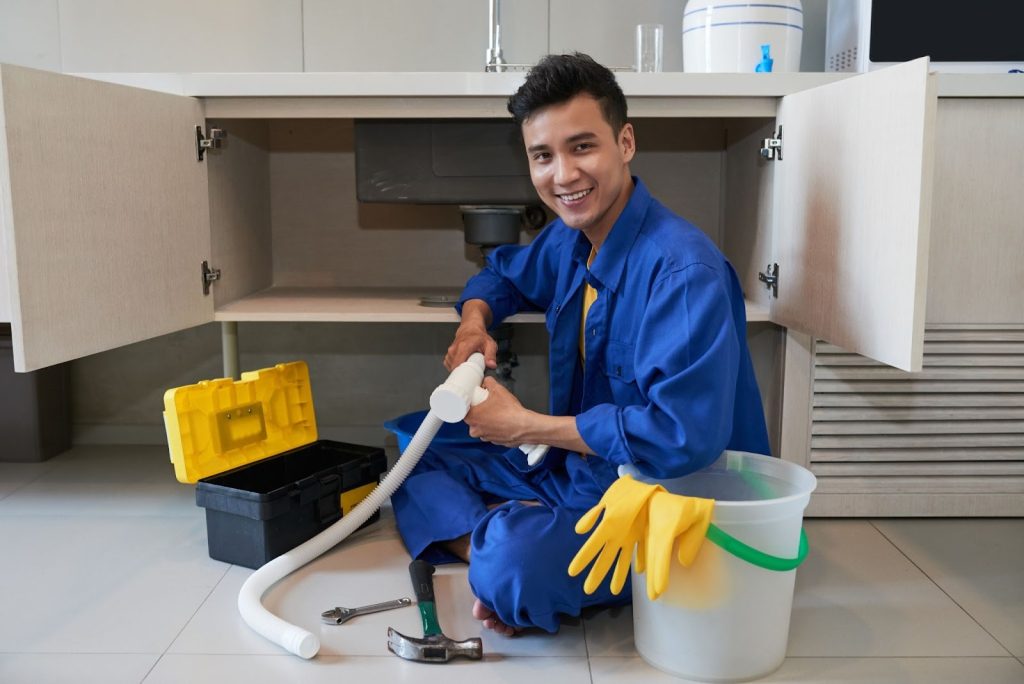
Flooring materials are prone to deterioration when exposed to prolonged moisture. Hardwood swells and separates as water penetrates beneath boards. Laminate and vinyl lose adhesion once subfloors absorb moisture. Tile grout weakens, allowing further seepage. Flooring replacement often exceeds the cost of pipe repair. Plumbing repairs can become expensive when flooring damage occurs.
Pipe Pressure Turns Minor Faults Into Breakdowns
Pipe pressure amplifies weaknesses within plumbing systems. Corrosion, mineral buildup, and temperature changes increase internal stress. Delayed plumbing repairs allow that stress to intensify over time. Failures often occur suddenly and with extensive consequences.
Corrosion Weakens Pipes Over Time
Corrosion forms inside pipes due to minerals and water chemistry. As corrosion spreads, the pipe interior narrows and pressure increases. Weak sections develop where metal thins. Eventually, pipes rupture during everyday water use. Repairs require replacement and water damage cleanup. Plumbing repairs become more complex when corrosion is left untreated.
Temperature Changes Stress Compromised Pipes
Pipes expand and contract with seasonal temperature shifts. Healthy pipes accommodate movement without issue. Damaged pipes crack under repeated stress. Minor flaws widen with each temperature cycle. Failures often occur during high-demand periods. Plumbing repairs escalate when temperature stress compounds existing damage.
Drain Problems Worsen Without Timely Service
Drain problems intensify because buildup accumulates gradually. Slow drainage indicates growing blockages inside pipes. Delayed plumbing repairs allow residue to harden and spread. Clearing advanced clogs requires more labor and equipment.
Grease and Debris Harden Inside Drains
Kitchen drains collect grease, soap residue, and food particles over time. That buildup clings to pipe walls and restricts flow. As the residue hardens, basic cleaning methods become less effective. Technicians must use specialized equipment to restore flow. Labor time increases as the buildup thickens. Plumbing repairs cost more when drain maintenance is postponed.
Sewer Line Blockages Cause Backups
Sewer lines attract tree roots seeking moisture. Roots enter through small cracks and expand steadily. Waste becomes trapped, causing recurring backups. Clearing roots becomes increasingly tricky. Repairs may require lining or excavation. Plumbing repairs become expensive when sewer issues persist.
Emergency Plumbing Repairs Increase Costs
Emergency plumbing situations cost more due to urgency and damage. Failures often occur after prolonged delays. Homeowners face limited options under pressure. Plumbing repairs performed during emergencies typically cost more.
After-Hours Service Carries Higher Rates
Emergency plumbing often occurs outside regular business hours. Labor rates increase due to immediate availability. Homeowners must make fast decisions without planning. Temporary fixes may replace lasting solutions. Follow-up repairs add to the total cost. Plumbing repairs remain less expensive when scheduled.
Water Damage Expands Repair Scope
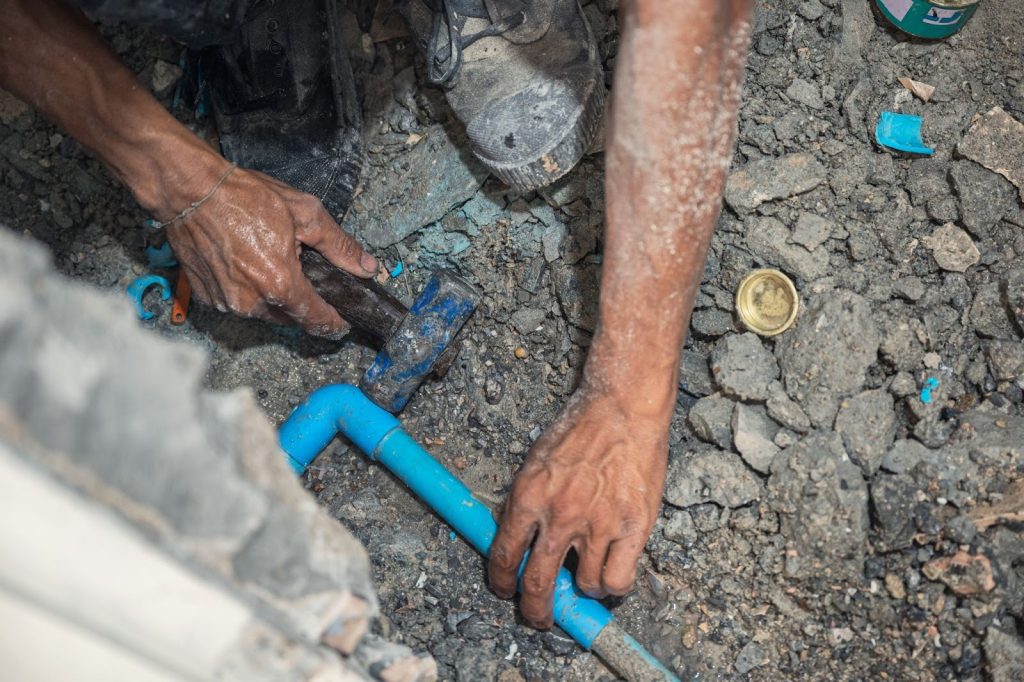
Active leaks release water rapidly during emergencies. Damage spreads before technicians arrive. Drying and restoration extend timelines. Additional contractors increase labor costs. Coordination becomes more complex. Plumbing repairs escalate when water damage accompanies failure.
Aging Plumbing Systems Multiply Repair Expenses
Older plumbing systems contain materials prone to deterioration. Wear affects multiple components simultaneously. Delayed plumbing repairs expose broader weaknesses. Replacement costs rise as system reliability declines.
Outdated Pipe Materials Fail More Often
Older pipes corrode and narrow internally. Mineral buildup restricts water flow and increases pressure. Repairs often reveal additional weak sections nearby. Partial fixes lead to repeated failures. Complete replacement becomes necessary. Plumbing repairs expand when outdated materials remain in service.
Code Updates Increase Repair Requirements
Plumbing codes evolve to improve safety standards. Repairs in older homes may require compliance updates. Permits and inspections add time and cost. Materials must meet current regulations. Delays increase mandatory upgrade risks. Plumbing repairs grow more expensive when code issues arise.
Plumbing Neglect Reduces Property Appeal
Plumbing condition influences buyer confidence. Inspection findings affect negotiations heavily. Delayed plumbing repairs raise red flags. Sellers often face higher costs under time pressure.
Inspections Highlight Plumbing Deficiencies
Inspectors document leaks, corrosion, and drainage issues. Multiple minor problems create negative impressions. Buyers request price reductions or repairs. Negotiations become less favorable. Rushed repairs cost more. Plumbing repairs directly affect resale outcomes.
Insurance and Financing Challenges Increase
Insurance providers expect reasonable maintenance. Claims may face denial due to neglect. Lenders require functional plumbing. Appraisals reflect unresolved issues. Financing delays complicate sales. Plumbing repairs influence insurance and lending decisions.
Why Plumbing Problems Are Easy to Misjudge
Plumbing issues often appear harmless because they develop out of sight and without immediate disruption. Homeowners tend to rely on visible damage to judge urgency. Plumbing systems, however, fail quietly long before noticeable symptoms appear. That disconnect leads many homeowners to underestimate risk and unintentionally delay plumbing repairs.
How Plumbing Systems Mask Internal Damage
Plumbing systems operate behind walls, under floors, and inside cabinets, which limits visual feedback. A roof leak stains ceilings quickly, while plumbing leaks may remain concealed for months. This hidden nature creates a false sense of stability even as damage progresses. Homeowners often assume that no visible water means no active problem. By the time symptoms appear, moisture has already compromised surrounding materials. Plumbing repairs become more expensive because discovery happens late, not because the issue started large.
Quiet Problems Feel Less Urgent Than Loud Failures
Humans respond faster to sudden, disruptive events than to slow changes. A burst pipe demands immediate action, while a drip feels tolerable. This psychological response causes homeowners to delay repairs that do not interrupt daily routines. Plumbing systems exploit that delay because pressure and moisture continue to work regardless of the noise. Damage accumulates without escalating signals. Plumbing repairs cost more when urgency is determined by inconvenience rather than risk.
Temporary Stability Creates False Confidence
Many plumbing issues fluctuate, appearing to improve without intervention. A drain may clear briefly, or a leak may slow during low water use. That temporary relief encourages homeowners to postpone service. The underlying issue remains active and often worsens below the surface. Each cycle of improvement and decline increases internal damage. Plumbing repairs expand when false stability delays proper diagnosis.
Homeowners Often Misjudge Water’s Destructive Speed
Water damage does not require large volumes to cause harm. Slow, consistent moisture breaks down materials more effectively than brief exposure. Homeowners frequently associate damage with flooding rather than seepage. This misunderstanding leads to delayed responses for small leaks. Structural materials absorb water long before visible signs appear. Plumbing repairs become more costly when the cumulative impact of water is underestimated.
Address Plumbing Repairs Before Costs Escalate
Plumbing repairs shape how damage spreads, how budgets stretch, and how much disruption a home absorbs over time. Delays rarely pause deterioration and often allow minor weaknesses to influence larger systems. Choosing to respond while problems remain contained preserves control over cost, scheduling, and outcomes. That awareness turns plumbing repairs from reactive emergencies into manageable home decisions.
Home systems last longer when decisions are informed.
Visit the Prestige—Plumbing, Heating, and Cooling blog for expert perspectives on plumbing, heating, and cooling care.