
When energy bills climb, most homeowners assume the culprit is the weather, the thermostat setting, or rising utility rates. While those factors matter, a struggling furnace is one of the most common—and most overlooked—reasons heating costs jump. Furnaces run in steady, efficient cycles, but even minor mechanical issues can force the system to work harder to deliver the same warmth. The longer a problem goes unresolved, the more your furnace compensates by running longer, cycling more frequently, and operating less efficiently, all of which can show up on your monthly bill.
Furnace Repair Matters When Your System Has to Run Longer Cycles
A furnace that needs extra time to heat your home is usually losing efficiency somewhere, whether it’s due to airflow restrictions, burner issues, aging components, or poor heat transfer. When the furnace has to run longer cycles to meet the thermostat setting, it consumes more fuel or electricity for the same comfort level, which shows up directly in your bill. Homeowners often respond by turning the thermostat up, assuming the home is just “harder to heat,” but that typically makes the problem worse by increasing runtime even further. Scheduling furnace repair early can restore proper performance so the system heats the home in regular cycles instead of grinding through extended run times.
Longer Cycles Equal Higher Costs
When a furnace can’t heat efficiently, it compensates by running longer, which increases energy use and wear and tear.
Slower Heating Usually Signals a Root Issue
If the home takes noticeably longer to warm up, the system is often operating below its designed capacity.
Rising Energy Bills Can Indicate Delayed Furnace Repair
Many furnace problems start as efficiency losses long before a complete failure occurs, which is why higher bills are often an early warning sign. Dust buildup, worn ignition components, blower issues, and minor sensor problems can all reduce performance enough to increase energy consumption without causing an immediate shutdown. Because the furnace still “works,” it’s easy to ignore, but you end up paying for wasted energy every day the issue persists. Furnace repair addresses the problem and helps stop the silent drain on your budget, preventing inefficiency from escalating into a larger, more expensive repair.
Efficiency Drops First, Then Reliability
Systems often become more expensive to run weeks or months before they finally stop working.
A Small Issue Can Create Constant Waste
Even a minor malfunction can force your furnace to burn more fuel to maintain basic comfort.
Furnace Repair Helps Stop Short Cycling
Short cycling happens when a furnace turns on and off too frequently, and it’s one of the fastest ways to drive up energy bills. Every startup uses extra energy, and frequent cycling prevents the system from reaching its most efficient operating rhythm. Short cycling can be caused by overheating, airflow problems, thermostat issues, or failing components, and it often creates uneven temperatures that force homeowners to adjust the thermostat, which adds to waste repeatedly. Furnace repair addresses the underlying cause so the system can run steadier cycles, heat more evenly, and consume less energy overall.
Startups Are Energy-Intensive
Frequent starts and stops waste energy and increase wear on components that control ignition and airflow.
Temperature Swings Trigger Thermostat Changes
Uneven heat often leads to constant adjustments, which can make an inefficient system even more costly to run.
When Airflow Is Restricted, Furnace Repair Can Prevent Overheating
Airflow is critical to furnace efficiency because the system must move heated air through the heat exchanger and into your living spaces at the correct rate. When airflow is restricted—often due to dirty filters, blocked vents, blower problems, or duct issues—the furnace can overheat and trigger safety protections, disrupting regular operation and increasing cycling. Even without shutdowns, poor airflow reduces heat delivery, resulting in longer runtimes and higher energy use. Furnace repair can correct airflow issues and prevent overheating, which can lead to higher bills and component damage.
Filters and Blowers Control Performance
When airflow is reduced, the furnace struggles to deliver heat efficiently and may compensate with longer cycles.
Overheating Can Cause Extra Cycling
Heat-related safety shutoffs can cause repeated starts and stops, wasting energy and straining the system.
Furnace Repair Becomes Urgent When There’s Burner or Combustion Issues
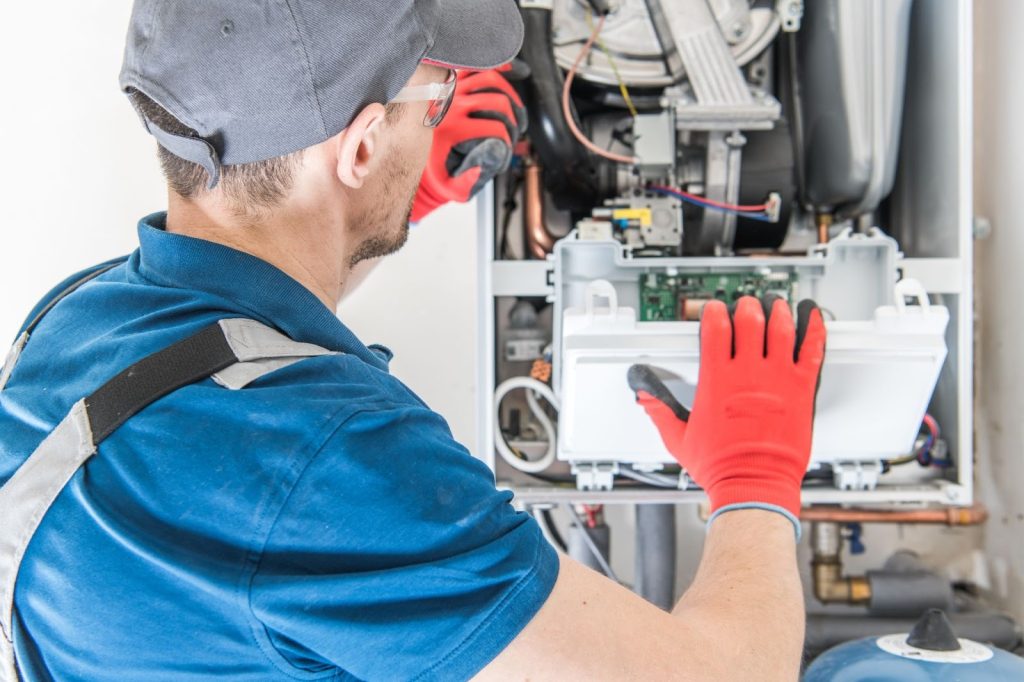
For gas furnaces, efficient combustion is essential to keeping energy use under control, and burner problems can quickly disrupt that balance. Dirty burners, incorrect gas pressure, or ignition issues can lead to incomplete combustion, reducing heat output and forcing the furnace to run longer to meet the thermostat setting. In some cases, combustion issues can also create soot buildup and further reduce efficiency over time. Delaying furnace repair in this situation doesn’t just increase bills—it can also create safety concerns and lead to more costly repairs if the system continues operating under poor combustion conditions.
Reduced Heat Output Means Longer Run Time
If the burner system isn’t producing steady heat, the furnace must run longer to achieve the same indoor temperature.
Poor Combustion Can Create Additional Buildup
Soot and residue can compound performance issues, making the furnace less efficient over time.
Duct Leaks Make Furnace Repair More Expensive Than It Should
Sometimes the furnace isn’t the only reason bills are rising—duct leakage and distribution problems can waste a significant amount of heated air before it ever reaches your rooms. When warm air escapes into attics, crawl spaces, or wall cavities, the furnace has to run longer to compensate, which increases energy usage and can create cold spots throughout the home. Homeowners often respond by turning up the heat or running supplemental heaters, which further increases costs. Furnace repair visits usually uncover these distribution issues, and addressing them can make your heating system feel dramatically more efficient without changing the thermostat.
Leaks Waste Heat You Already Paid For
When heated air never reaches your living spaces, your furnace runs longer to make up the difference.
Uneven Rooms Drive Higher Thermostat Settings
Cold spots often lead homeowners to raise the temperature, increasing cost even if only one area is uncomfortable.
Furnace Repair Can Reduce Energy Waste Caused by Failing Blower Motors
The blower motor is responsible for moving warm air through the home, and when it begins to fail, heating performance can drop while energy use rises. A struggling blower may run inconsistently, move less air, or draw more power than usual, all of which can increase operating costs and create comfort issues. Poor airflow also places additional strain on the heat exchanger and other components, further reducing efficiency. Scheduling furnace repair early can prevent the blower problem from escalating into a larger strain on the system that drives bills even higher.
Weak Airflow Forces Longer Heating Cycles
If air isn’t moving efficiently, the furnace must run longer to heat the home evenly.
Electrical Strain Can Increase Power Use
A motor that’s working harder than it should can consume more electricity and wear out faster.
Ignoring Noises and Smells Often Raises Furnace Repair Costs
Unusual sounds, such as rattling, banging, squealing, or booming, can indicate mechanical wear, loose components, or ignition problems that reduce efficiency. Odd smells can point to dust burning off, electrical overheating, or combustion concerns that can also affect how efficiently the furnace operates. When these warning signs are ignored, the system may continue to run under strain, often leading to longer runtimes and higher energy consumption before the issue becomes unavoidable. Furnace repair at the first sign of abnormal sounds or odors can correct the problem early and prevent both wasted energy and more expensive damage.
Mechanical Wear Reduces Efficiency
Loose or worn parts can create friction and performance loss, forcing the system to work harder.
Odors Can Signal Overheating or Combustion Issues
Some smells indicate conditions that can make the furnace less efficient and more costly to run.
Furnace Repair Helps Fix Thermostat and Sensor Problems
When inaccurate thermostat readings or failing sensors control a furnace, it can run when it shouldn’t or stop before the home is adequately heated. That leads to discomfort, frequent cycling, and higher energy use as the system repeatedly tries to correct for incorrect feedback. Homeowners often react by increasing settings or switching to manual operation, which keeps the system running longer than necessary. Furnace repair can calibrate or replace controls so the system runs only as needed, maintains steady temperatures, and avoids wasteful patterns that inflate energy bills.
Incorrect Readings Create Unnecessary Runtime
If the controls don’t reflect actual temperatures, the furnace may overrun and consume excess energy.
Cycling From Sensor Faults Wastes Fuel
Erratic signals can lead to frequent on-off behavior, reducing efficiency and increasing costs.
Old Parts and Wear Patterns Make Furnace Repair a Budget Strategy
As furnaces age, components naturally wear, and even if the system still heats, it may do so with reduced efficiency. Worn belts, aging ignition systems, dirty heat exchangers, and weakened motors can all contribute to higher energy consumption, as the furnace has to work harder to deliver the same level of comfort. Many homeowners wait until the furnace stops working, but that approach can mean paying inflated energy bills for an entire season before the furnace breaks down. Timely furnace repair helps restore performance and can extend the useful life of your system while keeping operating costs more predictable.
Wear Causes “Still Working but Costly” Heating
A furnace can still waste energy even when key components are worn or dirty.
Small Repairs Often Preserve Big Components
Fixing worn parts early can help protect the heat exchanger, blower, and ignition system from added stress.
Furnace Repair Prevents Breakdowns That Come With Peak-Season Pricing
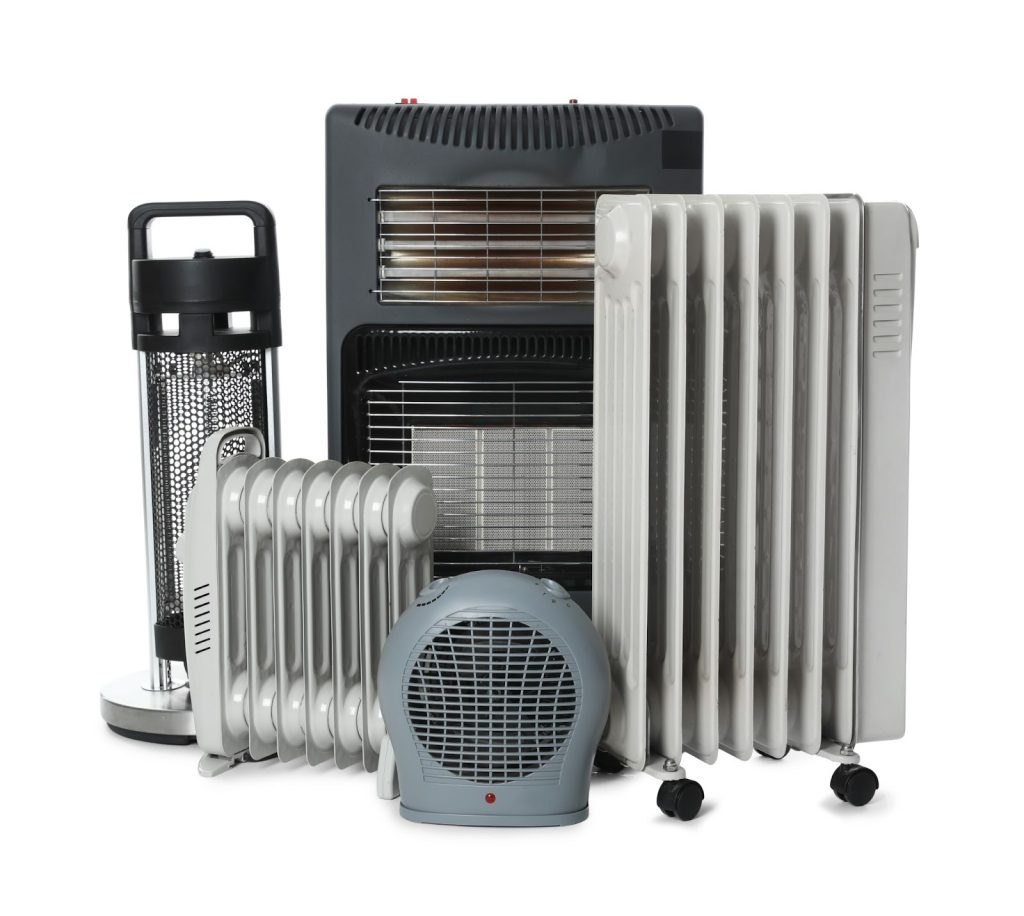
When a furnace fails, it often happens during the coldest stretch of the year, when demand is high, and comfort is urgent. Beyond the inconvenience, emergency issues usually cost more because the problem may be more severe and the system may have been operating inefficiently for weeks beforehand. In the meantime, many households use space heaters or other heating methods that can significantly increase electricity use and further spike bills. Scheduling furnace repair as soon as you notice performance changes can help avoid emergency breakdowns, keep your home consistently warm, and prevent a season of paying extra for inefficient operation.
Backup Heating Can Be Expensive
Space heaters and temporary fixes can quickly raise electrical usage, mainly when used for extended periods.
Early Repairs Keep the System Stable
Addressing issues sooner helps maintain reliable heating and prevents costly failure during peak winter conditions.
Furnace Repair Is the Best Way to Maintain Energy Efficiency
If your home used to feel warm at a specific thermostat setting and now needs a higher setting to feel comfortable, that’s often a sign the furnace is losing efficiency. The system may be producing less heat, moving air less effectively, or operating under conditions that require longer runtimes to keep up. Delaying furnace repair keeps that inefficiency in place, meaning you’re paying more every month for the same comfort you used to get. The sooner you address the underlying cause, the sooner your furnace can return to regular cycles, reduce energy waste, and deliver steady heat without draining your budget.
Visit thePrestige – Plumbing, Heating & Cooling blog for furnace tips and guidance on why timely furnace repair can help prevent higher energy bills and winter breakdowns.