
A plumber keeps your home’s water systems running safely and reliably. When pipes leak or drains clog, daily routines quickly fall apart, and stress levels rise. Many homeowners call a plumbing professional only during emergencies, yet their work extends far beyond urgent repairs. From installing new water lines to maintaining sewer connections, they manage complex systems that most people rarely see. Knowing what a plumber actually does helps you protect your home, budget, and long-term comfort.
Core Plumbing Services in Homes
A plumber provides installation, repair, and maintenance services for residential water and drainage systems. These responsibilities cover everything from new construction projects to small fixture upgrades in existing homes. Professional plumbers adhere to local codes and industry standards to ensure systems are safe and efficient. Their work supports clean water delivery, proper waste removal, and reliable fixture performance.
Plumbing System Installation
Plumbing system installation means designing and fitting pipes, valves, and fixtures to deliver water safely throughout a home. A plumber maps out supply lines and drain routes before cutting into walls or floors. This planning process prevents pressure imbalances and future leaks that can damage framing or insulation. They connect sinks, bathtubs, showers, and toilets to both hot and cold water lines. Additionally, they install shut-off valves so homeowners can isolate sections during repairs. Proper installation protects structural components and supports long-term system stability.
Leak Detection and Pipe Repair
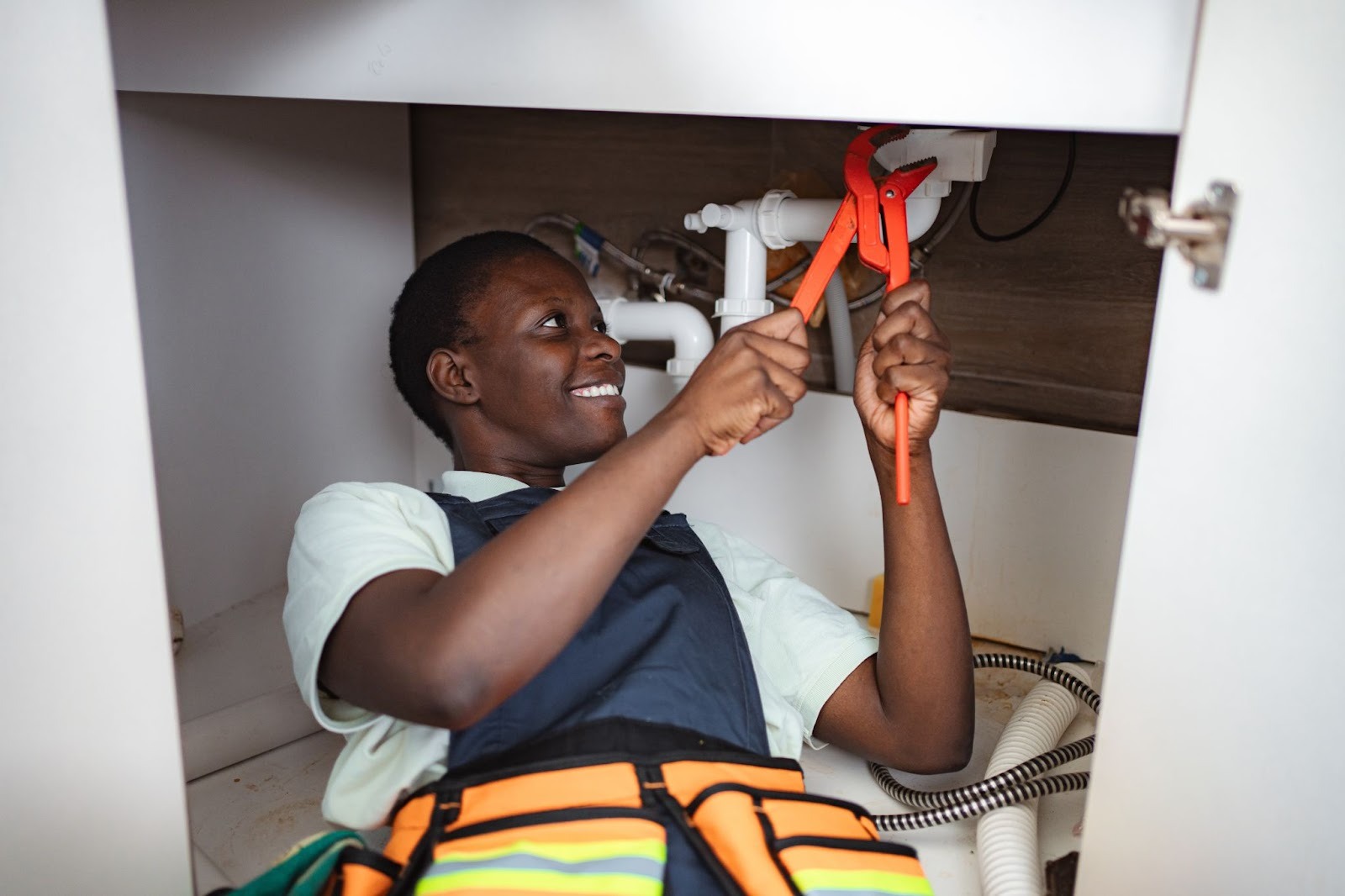
Leak detection involves locating hidden water escapes before they cause extensive damage. A plumber inspects visible pipes and uses electronic tools to find concealed moisture inside walls. This diagnostic process identifies cracked fittings, corroded sections, or loose joints. Once they confirm the source, they repair or replace the damaged component with durable materials. Quick action limits drywall deterioration and reduces the risk of mold growth. Reliable pipe repair restores steady water pressure and prevents recurring failures.
Emergency Plumbing Response Services
Emergency plumbing services address urgent issues such as burst pipes or overflowing toilets. A plumber first shuts off the water supply to stop ongoing damage. This immediate control step protects flooring, cabinets, and electrical systems. After stabilizing the area, they inspect the broader plumbing network for contributing factors. They then repair the fault and thoroughly test the system. Skilled emergency response often prevents costly structural repairs.
The Real Responsibilities of a Plumber
A plumber does far more than respond to obvious leaks and clogs. Their responsibilities span installation, diagnostics, safety compliance, and long-term system care. Many of these duties remain invisible until something fails or a renovation begins. The following are the core tasks that define a plumber’s role in a residential setting.
Drainage and Sewer System Management
Drainage and sewer management focus on safely conveying wastewater away from the property. Skilled professionals maintain these systems to prevent backups and contamination. Healthy drainage protects indoor air quality and yard conditions. Reliable sewer lines also safeguard foundations from moisture intrusion.
Clearing Clogged Drains Professionally
Professional drain cleaning removes blockages that household tools cannot handle. Technicians evaluate whether grease, hair, soap residue, or foreign objects caused the clog. This evaluation process guides the choice of equipment and technique. They use drain snakes or motorized augers to break apart obstructions deep within pipes. For persistent buildup, they may recommend hydro jetting, which uses high-pressure water to clear debris. Clean drains improve flow speed and reduce unpleasant odors.
Sewer Line Inspection and Repair
Sewer line inspection uses camera technology to examine underground pipes without excavation. Technicians insert a flexible camera that sends real-time images to a monitor. This inspection method reveals cracks, root intrusion, or collapsed pipe sections. Accurate visuals reduce guesswork and unnecessary digging in landscaped areas. When damage is detected, they carefully repair or replace the affected section. Functional sewer lines protect your home from hazardous wastewater exposure.
Solving Low Water Pressure Issues
Low water pressure often indicates underlying plumbing issues. Professionals check supply valves, pressure regulators, and pipe interiors for mineral buildup. This mineral accumulation can restrict flow and reduce fixture performance. They also inspect for concealed leaks that reduce system pressure. After identifying the root cause, they restore balanced water distribution throughout the home. Consistent pressure improves showers, appliance efficiency, and overall comfort.
Fixture and Appliance System Services
Fixture and appliance services involve installing and maintaining water-connected household equipment. Technicians handle both visible components and hidden supply connections. Proper setup prevents leaks, inefficiency, and premature wear. These tasks directly affect daily convenience and energy use.
Water Heater Installation and Care
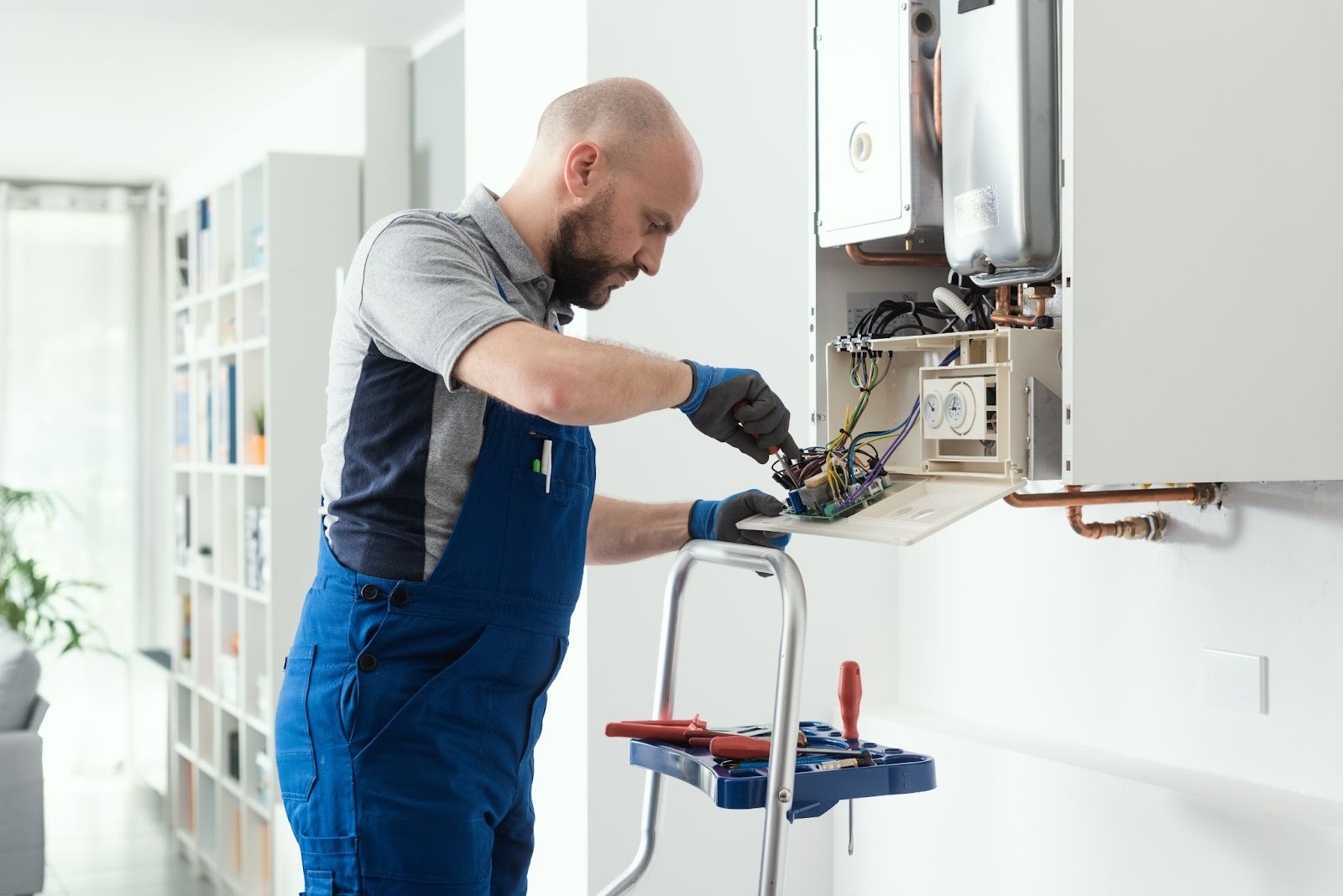
Water heater services include installation, repair, and maintenance of hot water systems. Technicians connect gas or electric units in accordance with manufacturer instructions and local codes. This installation process includes pressure relief valves and proper venting for safety. Over time, sediment builds up in tanks, reducing heating efficiency. They flush the system periodically to remove buildup and extend equipment lifespan. Regular maintenance keeps hot water available for bathing, cleaning, and cooking.
Toilet, Faucet, and Sink Repairs
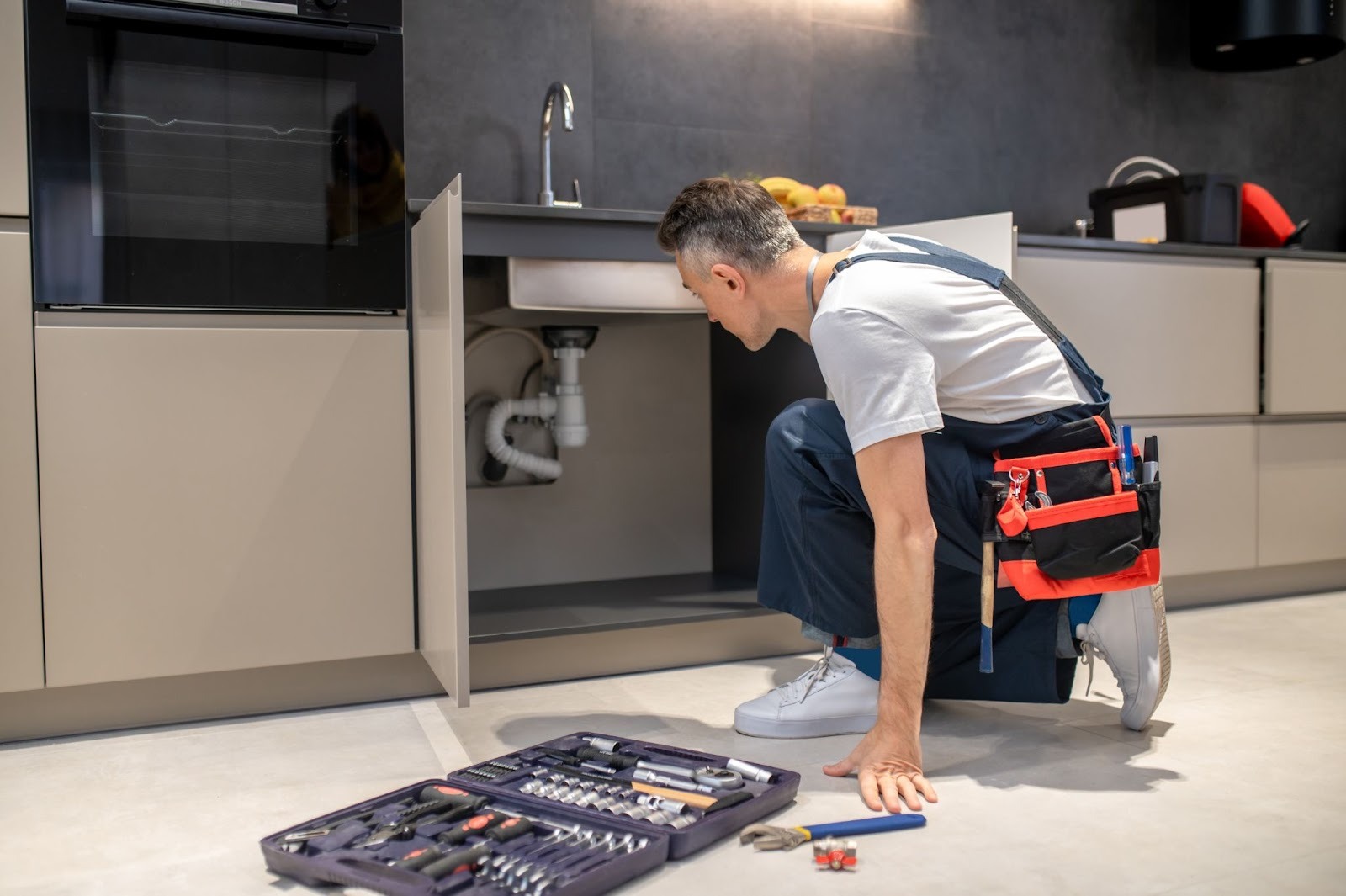
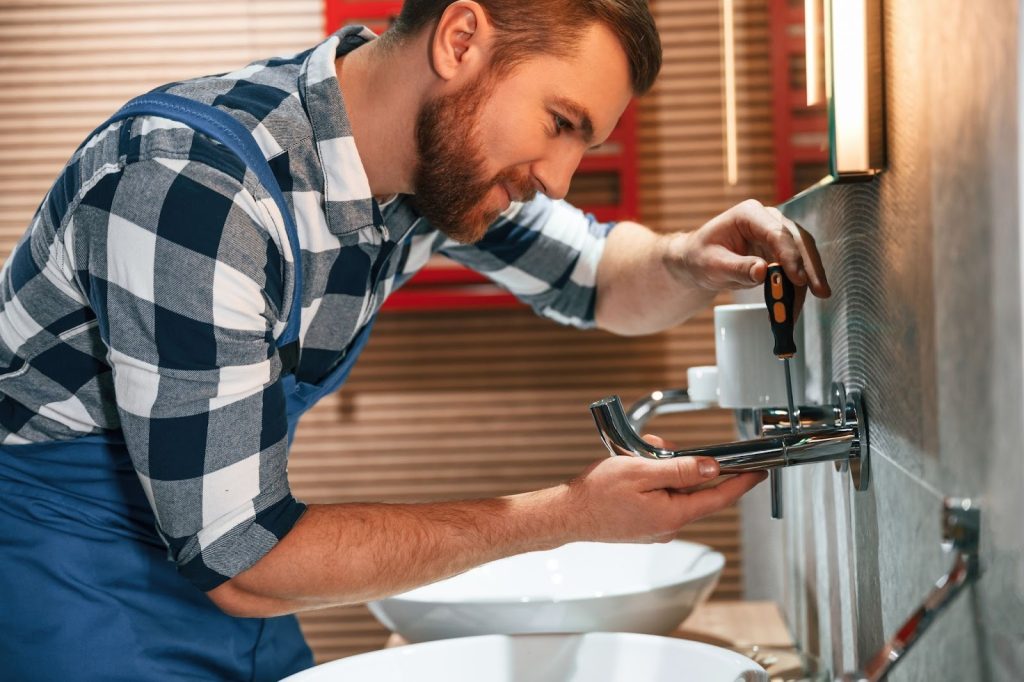
Toilet and faucet repairs address leaks, running water, and worn components. Technicians replace faulty fill valves, flappers, cartridges, or seals. This component replacement stops the constant water flow that increases monthly bills. They also secure loose sinks or reseal edges to prevent water seepage under countertops. Modern fixture upgrades can improve water efficiency and aesthetic appeal. Well-maintained fixtures support both comfort and cost control.
Dishwasher and Disposal Connections
Dishwasher and garbage disposal installation requires precise plumbing connections. Technicians attach supply lines and drain hoses securely to prevent leaks. This connection work includes checking alignment and testing for proper drainage. They confirm that electrical and plumbing components operate together safely. When disposals jam, they diagnose mechanical faults or clogged lines. Correct installation reduces breakdowns and protects kitchen cabinetry from water damage.
Plumbing Code Compliance and Safety
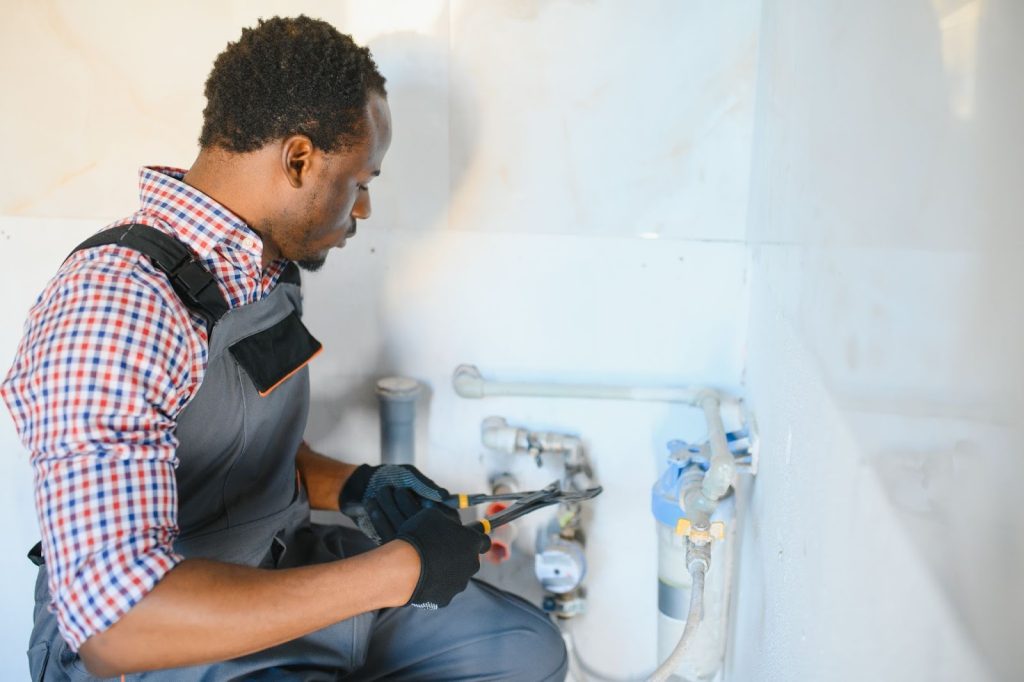
Code compliance means meeting local building regulations for safe plumbing systems. Professionals follow municipal guidelines for pipe sizing, materials, and venting requirements. These standards protect homeowners from fines and unsafe installations. Professional compliance also supports smooth inspections during property sales or renovations.
Meeting Local Plumbing Regulations
Local plumbing regulations define how systems must be installed and maintained. Professionals secure permits when projects require official approval. This permit process documents that the work meets safety and construction standards. Inspectors review completed installations before closing walls or finalizing renovations. Proper documentation protects property value during resale. Compliance reduces liability risks and supports long-term reliability.
Backflow Prevention and Water Safety
Backflow prevention protects drinking water from contamination. Professionals install devices that prevent wastewater from flowing back into clean supply lines. This protective equipment becomes especially important in irrigation or multi-level plumbing systems. They test backflow assemblies regularly to confirm correct operation. Functional devices guard against bacteria and chemical exposure. Safe water systems support your family’s health every day.
Preventive System Maintenance and Upgrades
Preventive maintenance involves routine inspections and minor adjustments that reduce system failures. Professionals evaluate pipes, joints, and valves before visible problems appear. This maintenance approach helps homeowners avoid unexpected repair costs. Ongoing oversight extends the usable life of plumbing infrastructure.
Routine Plumbing Inspections
Routine inspections identify wear before it escalates into extensive damage. Professionals examine exposed piping for corrosion or loose fittings. This inspection process also includes checking water pressure levels and drainage speed. Small corrections often prevent larger breakdowns in the future. They may recommend replacing aging components during scheduled visits. Consistent evaluations provide homeowners with confidence in system performance.
Water Efficiency and System Upgrades
Water efficiency upgrades reduce consumption without sacrificing comfort. Professionals recommend low-flow toilets, efficient showerheads, and modern faucets. This upgrade strategy lowers utility bills and conserves local water resources. They may also suggest pressure regulators that stabilize flow and prevent pipe strain. Energy-efficient water heaters further reduce long-term operating costs. Thoughtful improvements strengthen both environmental responsibility and household savings.
Assessing Plumbing Needs in Renovations
Renovation projects often expose outdated or undersized plumbing systems. Many homeowners focus on cabinets, flooring, and appliances while overlooking the hidden capacity of their pipes. Structural changes can alter water demand and drainage load throughout the home. Reviewing plumbing during remodeling helps prevent performance issues after construction is complete.
Pipe Sizing and Load Capacity Changes
Adding bathrooms or upgrading kitchens increases water usage demands. Existing supply lines may not support additional fixtures without pressure drops. Drain lines must also handle greater wastewater flow without slowing drainage. Improper sizing can cause gurgling, slow draining, or recurring clogs. Licensed professionals evaluate pipe diameter and venting before approving layout changes. Correct adjustments prevent long-term performance problems after renovation completion.
Code Updates in Remodeling Projects
Building codes evolve to reflect safety improvements and new standards. Older homes may contain plumbing that no longer meets current requirements. Renovations often trigger mandatory updates to meet municipal regulations. Upgrading vent stacks, shut-off valves, or backflow devices may become necessary. Inspections confirm compliance before final approval of construction work. Addressing these requirements during remodeling avoids fines and future complications.
Protect Your Home With a Skilled Plumber
Your home depends on a plumbing system that works quietly and consistently behind the scenes. Small warning signs often indicate deeper issues that become more costly over time. A qualified plumber brings technical expertise, appropriate tools, and code awareness to protect property and health. Choosing professional service today strengthens your home’s reliability and preserves its long-term value.
Stay informed before problems start. Visit the Prestige—Plumbing, Heating, and Cooling blog for practical insights that help you care for your home with confidence.