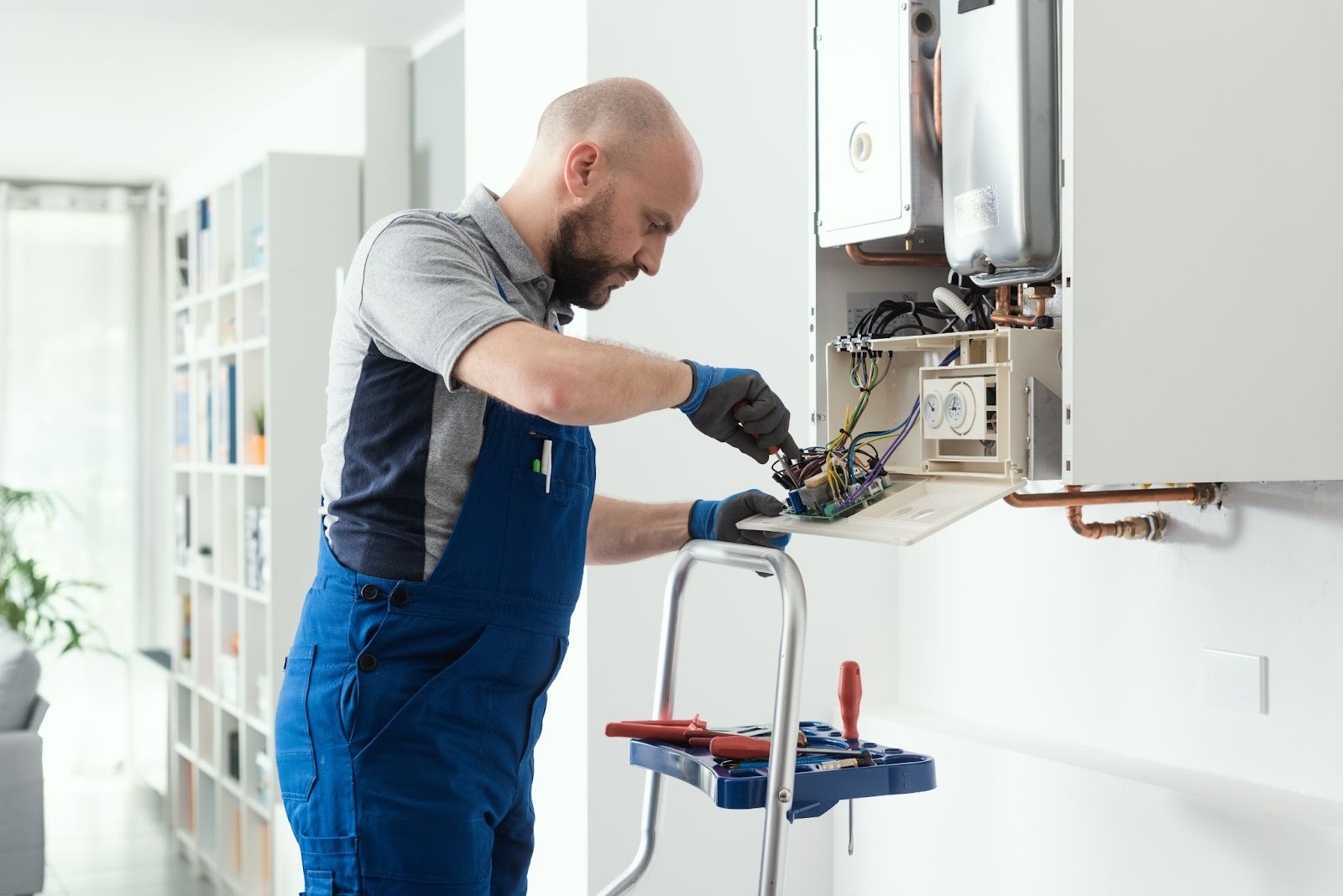

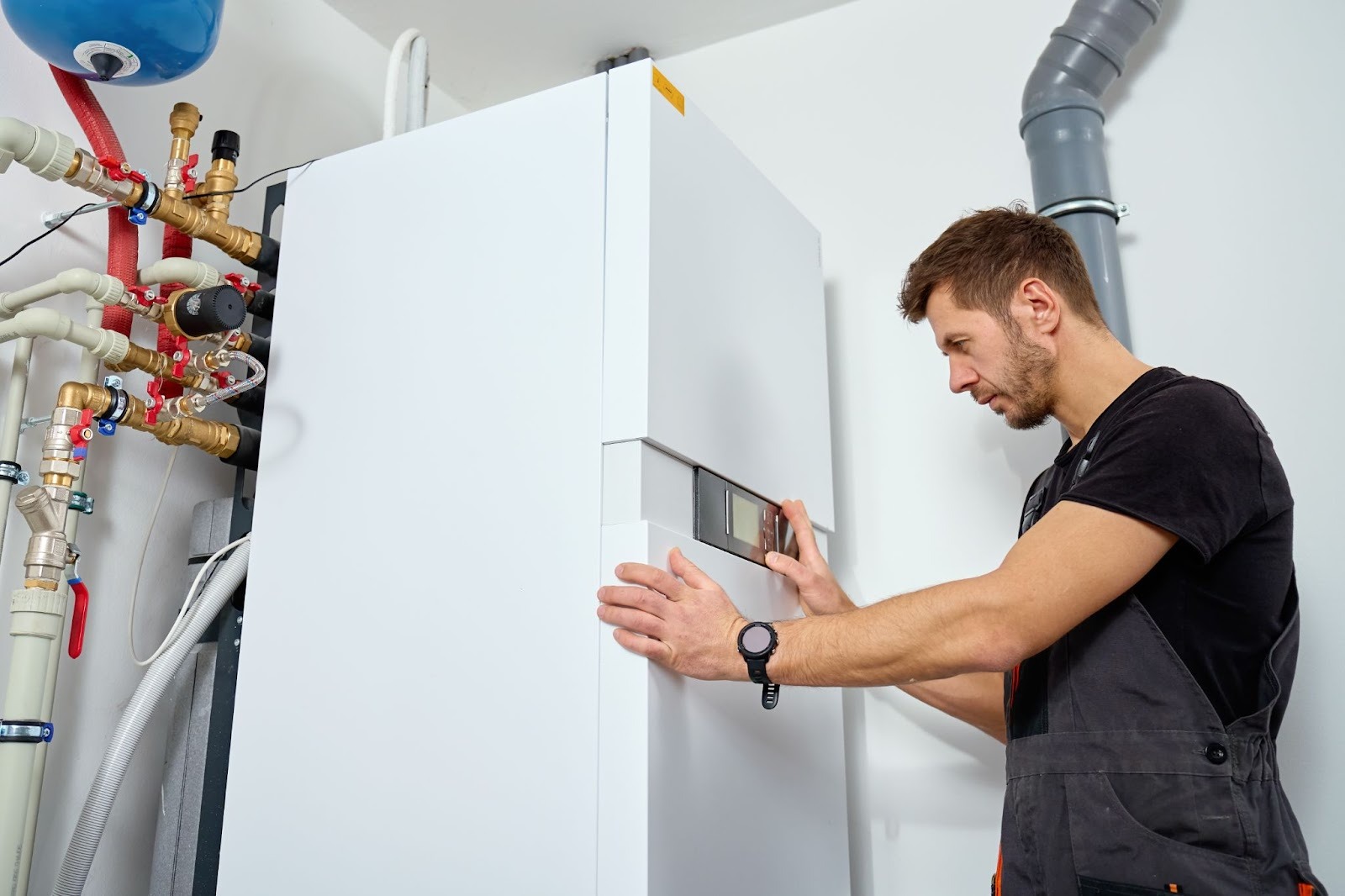
When your heating system fails during a cold snap, comfort disappears fast. At that point, furnace installation cost becomes more than a line item on a contractor’s quote. It shapes how quickly you restore warmth and how much you invest in your home’s future. Many homeowners feel unsure about pricing because estimates vary widely from one property to another. Clear information about heating system replacement costs helps you plan with confidence instead of stress.
What is Furnace Installation Cost?
Furnace installation cost is the total price you pay for the equipment, labor, and required upgrades. That total amount typically includes the new heating unit, professional installation, and basic materials. In most U.S. markets, homeowners spend between $3,000 and $7,500, depending on system type and complexity. This pricing range shifts based on efficiency level, home size, and local labor rates.
Why Installation Prices Vary by Home
Installation prices vary because every home has different heating demands and structural conditions. Contractors calculate heating load, which measures how much heat your home needs to stay comfortable. That calculation considers square footage, insulation quality, window efficiency, and ceiling height. Homes with poor insulation often require higher-capacity furnaces, which increases equipment cost. Additionally, tight crawl spaces or attic installations raise labor time and difficulty. Local building codes and regional labor rates also influence final pricing.
Average Furnace Installation Cost Range
The average furnace installation cost varies widely because equipment and labor costs differ significantly. Gas furnace installations usually cost between $4,000 and $8,000 in many regions. Electric furnace installations often start at $2,000 to $5,000. Oil furnace installations frequently exceed $4,500 due to specialized components and fuel storage requirements. High-efficiency models can push total project costs above $10,000 when venting upgrades are required. Reputable HVAC contractors provide itemized estimates so homeowners understand each charge clearly.
Gas, Electric, and Oil Furnace Costs
Gas, electric, and oil furnaces differ in fuel source, efficiency, and installation requirements. These differences directly affect the total cost of replacing the heating system. Each system type has unique labor requirements and long-term operating costs. Your final investment depends on fuel availability, climate, and long-term energy goals.
Gas Furnace Installation Cost Details
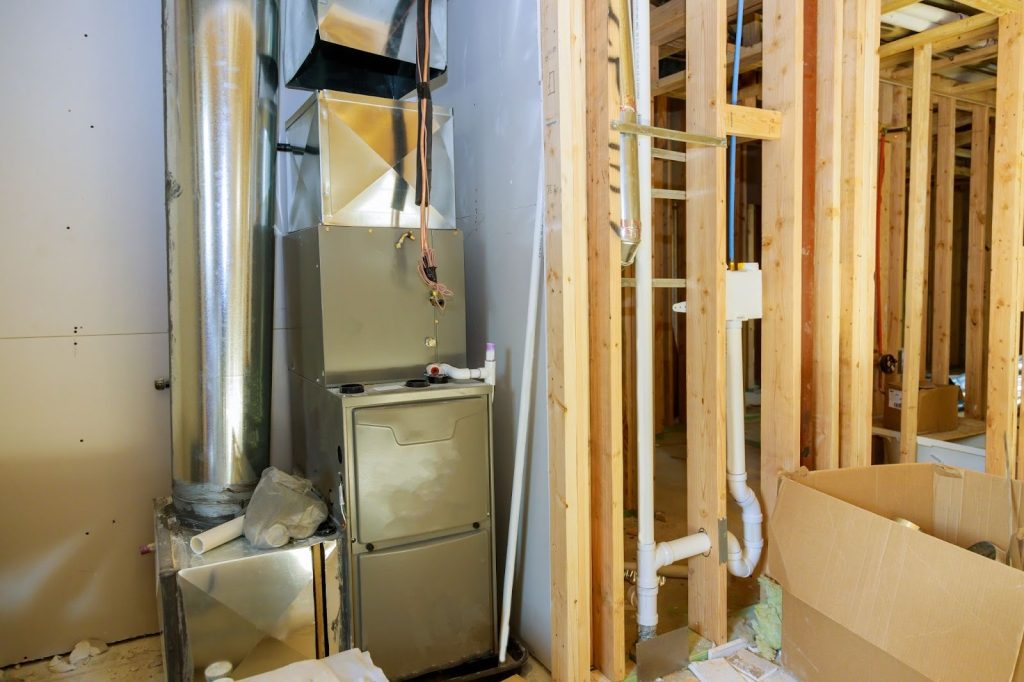
Gas furnace installation cost reflects both equipment pricing and venting requirements. Most gas systems require proper exhaust venting and safe gas line connections. High-efficiency gas furnaces use PVC vent pipes and condensate drains to manage moisture. These added components increase labor time but reduce monthly utility bills. Homes with existing gas lines often avoid additional infrastructure costs. Many HVAC brands offer models across multiple efficiency tiers to fit different budgets.
Electric Furnace Installation Expenses
Electric furnace installation costs are lower up front because the system design remains relatively simple. Electric units do not require combustion venting or gas piping. This simplified setup reduces installation labor in many homes. However, electricity rates often exceed natural gas costs in colder climates. Over time, higher utility bills may offset initial savings. Electric systems perform best in mild climates or in homes without access to natural gas.
Oil Furnace Installation Pricing
Oil furnace installation pricing tends to run higher due to added equipment requirements. Oil systems need a storage tank and secure fuel lines. Contractors must follow environmental regulations when installing or replacing tanks. That compliance work increases labor and material costs. Fuel price fluctuations also affect long-term heating expenses. Homeowners in rural areas often choose oil because gas lines remain unavailable.
Factors That Affect Furnace Replacement Cost
Furnace replacement cost depends on more than the unit itself. Contractors evaluate your home’s structure, ductwork, and existing utilities. Labor complexity and regional pricing also shape the final estimate. Understanding these elements helps you compare quotes accurately.
Home Size and Heating Load
Home size directly affects furnace sizing and total project cost. Larger homes require higher BTU output to maintain consistent temperatures. BTU stands for British Thermal Unit, a unit of heat output. Oversized systems waste energy and increase wear on internal components. Undersized units struggle to heat rooms evenly and run constantly. Professional load calculations protect both efficiency and equipment lifespan.
Labor Rates and Project Complexity
Labor rates vary by region, contractor expertise, and installation complexity. Urban markets often show higher service charges due to demand and overhead costs. Complex installations, such as attic placements, require more time and skilled technicians. Removing an outdated or damaged furnace can add several hours to the job. Additionally, code upgrades may require new gas valves or electrical connections. Experienced HVAC companies explain labor charges clearly before work begins.
Ductwork and Venting Upgrades
Ductwork condition plays a crucial role in heating system performance and cost. Leaky or undersized ducts reduce airflow and energy efficiency. Contractors may recommend sealing, resizing, or replacing damaged sections. Venting upgrades often apply when installing high-efficiency furnaces. These systems require dedicated exhaust systems to safely remove combustion gases. Addressing duct and vent issues during installation improves long-term performance.
Permits and Local Code Compliance
Permit requirements affect the overall cost of furnace installation in many cities. Local authorities require inspections to verify safe installation practices. Contractors usually obtain permits and schedule inspections on your behalf. Permit fees vary by municipality and project scope. Failed inspections can lead to additional adjustments and charges. Working with licensed professionals reduces compliance risks and protects home value.
Furnace Installation Quality and Real Efficiency
Installation quality directly affects how efficiently your furnace operates in real-world conditions. The efficiency rating printed on the unit reflects laboratory testing, not actual home performance. Poor craftsmanship can reduce real efficiency by ten to 30 percent. That gap increases long-term heating costs and shortens equipment lifespan.
Why AFUE Ratings Don’t Tell the Full Story
AFUE, or Annual Fuel Utilization Efficiency, measures how much fuel converts into usable heat under controlled conditions. This rating does not account for duct leaks, airflow problems, or improper calibration inside your home. A 95 percent AFUE furnace can perform closer to 80 percent if installers overlook critical setup steps. That performance drop increases monthly utility bills and strains internal components. Many homeowners focus only on the efficiency label and overlook installation precision. Proper airflow balancing and combustion testing ensure the system delivers its rated performance.
Airflow, Duct Sealing, and System Balance
Airflow determines how effectively heated air moves throughout your home. If ducts leak or remain poorly sealed, warm air escapes into attics or crawl spaces. That energy loss forces the furnace to run longer to maintain the desired temperatures. Technicians should measure static pressure, which indicates resistance inside the duct system. High static pressure signals airflow restrictions that reduce efficiency. Professional duct sealing and balancing improve comfort while lowering operating costs.
The Importance of System Commissioning
Commissioning is the final testing and calibration process performed after installation. During commissioning, technicians verify gas pressure, airflow speed, thermostat communication, and safety controls. This process confirms that the furnace operates in accordance with the manufacturer’s specifications. Skipping commissioning leaves small performance issues unresolved. Over time, those issues increase wear on burners, heat exchangers, and blower motors. Thorough commissioning protects your investment and supports long-term energy savings.
Hidden Costs in Furnace Installation
Hidden costs in furnace installation often surprise homeowners who only expect equipment pricing. These additional expenses arise from removal work, system upgrades, or optional enhancements. Planning for them creates a more accurate project budget. Transparent communication with your HVAC contractor reduces the risk of unexpected charges.
Old Furnace Removal and Disposal
Old furnace removal involves labor, heavy lifting, and proper disposal procedures. Technicians must safely disconnect gas, electrical, and venting connections. Recycling centers may charge fees for metal disposal. Homes with asbestos insulation require specialized removal services. That safety requirement significantly increases overall project costs. Asking about removal fees during the estimate stage prevents confusion later.
Thermostat and Control Upgrades
Thermostat upgrades are often included with new furnace installations to ensure compatibility. Basic digital thermostats cost relatively little, while smart models cost more. Smart thermostats allow remote control through mobile apps and track energy usage. These devices can lower heating bills by automatically adjusting temperatures. Utility companies sometimes offer rebates for approved models. Installing upgraded controls during furnace replacement reduces future labor costs.
Indoor Air Quality Add-Ons
Indoor air quality add-ons improve comfort but increase initial installation expenses. Common options include whole-home humidifiers and advanced filtration systems. Dry winter air can cause discomfort and respiratory irritation. Adding a humidifier helps balance indoor moisture levels. High-efficiency filters capture smaller particles, improving air quality. Discussing these options during the planning stage helps align cost with comfort goals.
New Installation vs Replacement Cost
Installing a new furnace in new construction differs from replacing an existing unit. Construction timing and system integration influence labor requirements. Replacement projects involve removal and potential upgrades. Each scenario creates different pricing structures.
Furnace Installation in New Homes
Furnace installation in new homes often costs less in labor due to open access. Builders install ductwork before walls and ceilings close. Technicians can position equipment without navigating tight finished spaces. That easier access reduces installation time. However, larger custom homes may require higher-capacity systems. Equipment size and efficiency still drive overall costs.
Replacing an Existing Furnace System
Replacing an existing furnace system typically costs more than a new construction installation. Contractors must remove old equipment before installing the new unit. Older homes may need updated wiring or gas connections. Duct systems sometimes require resizing to match modern efficiency standards. These adjustments add labor and material expenses. Despite a higher upfront cost, replacement improves reliability and lowers long-term energy bills.
Reduce Your Furnace Installation Cost Risks
Furnace installation cost carries long-term financial consequences that extend far beyond the initial invoice. Informed decisions on sizing, efficiency, and contractor selection reduce the risk of overspending or premature repairs. Careful review of detailed estimates, permits, and craftsmanship standards protects both comfort and resale value. Consult a qualified HVAC professional, verify credentials, and commit to an installation that delivers measurable performance and lasting reliability.
For deeper insights into heating and cooling, visit the Prestige—Plumbing, Heating, and Cooling blog. Discover straightforward answers that support smarter home investments.