
Owning a home means taking responsibility for every pipe, valve, and drain behind the walls. When a leak occurs or a toilet overflows, many homeowners hesitate to call a residential plumber. Online videos suggest quick fixes, yet most plumbing systems operate as complex networks under pressure. One small mistake can cause water damage to spread beyond what you see. Choosing a qualified residential plumbing professional often protects your home more than a weekend repair attempt ever could.
Understanding Residential Plumber Services
A residential plumber installs, repairs, and maintains home plumbing systems in accordance with local building codes. This professional training covers water supply lines, drainage systems, fixtures, and water heaters in private homes. Licensed plumbers complete apprenticeships and pass exams that test both technical knowledge and safety practices. That background allows them to evaluate entire plumbing systems rather than isolated parts.
Licensed Training and Code Compliance
A licensed residential plumber completes years of hands-on training under supervision before working independently. This training period includes learning pipe sizing, venting systems, water pressure control, and fixture installation. Plumbers must also understand local plumbing codes, which regulate materials and installation standards to protect public health. According to guidance from the International Association of Plumbing and Mechanical Officials, code compliance reduces contamination and structural risk. When a homeowner attempts repairs without that knowledge, hidden violations can occur. A professional plumber completes work that meets inspection standards and protects resale value.
Full-System Diagnosis in Homes
A residential plumbing system works as an interconnected network rather than separate fixtures. When a sink drains slowly, the issue may involve the vent pipes or the main sewer line. DIY repairs often focus on surface symptoms instead of underlying causes. A professional plumber uses inspection tools such as drain cameras and pressure gauges to locate the true source. This diagnostic process prevents repeated breakdowns and wasted effort. Homeowners benefit from repairs that address root causes rather than temporary patches.
Water Quality and Pipe Material Risks
Water quality depends heavily on the condition and material of your plumbing system. This relationship often goes unnoticed because pipes remain hidden behind walls and beneath floors. Over time, aging materials can affect taste, clarity, and even safety. A residential plumber evaluates these risks before they compromise your household water supply.
Aging Pipes and Drinking Water Safety
Older homes often have galvanized steel or aging copper pipes that deteriorate over time. As corrosion develops, small particles can enter the water supply. This contamination may alter the water color or produce a metallic taste. In some cases, sediment buildup can restrict flow and increase internal pressure. A residential plumber inspects the interior of pipes with specialized tools to assess corrosion levels. Early detection helps homeowners avoid larger system failures and potential water quality concerns.
Hard Water and Mineral Buildup Effects
Hard water contains high levels of dissolved minerals such as calcium and magnesium. Over time, these minerals accumulate inside pipes and fixtures. This mineral buildup reduces water flow and strains appliances like dishwashers and water heaters. DIY repairs rarely address the underlying mineral concentration. A residential plumber can test water hardness and recommend appropriate solutions, including filtration or softening systems. Managing mineral content protects both plumbing infrastructure and appliance lifespan.
Risks of Improper Pipe Replacement
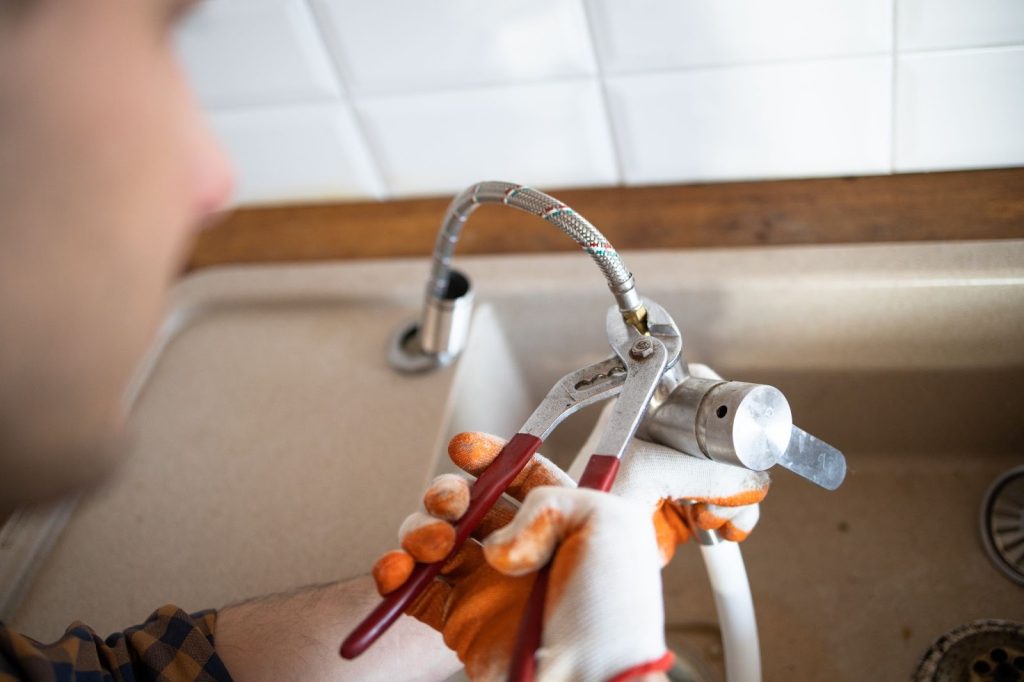
Replacing a section of pipe may appear straightforward, but material compatibility is critical. Connecting dissimilar metals without proper fittings can accelerate corrosion through galvanic reactions, which damage the metal. Incorrect pipe sizing can also disrupt water pressure balance throughout the home. These technical factors often escape DIY repairs guided by general tutorials. A licensed residential plumber selects compatible materials and verifies proper sizing before installation. Careful planning reduces contamination risks and maintains stable system performance.
True Cost of DIY Plumbing Repairs
DIY plumbing repairs may seem affordable at first glance, but hidden costs often appear later. This cost difference becomes clear when minor errors escalate into property damage. Water travels quickly through walls, flooring, and framing materials. Professional intervention frequently prevents costs exceeding the original service fee.
Hidden Water Damage Risks
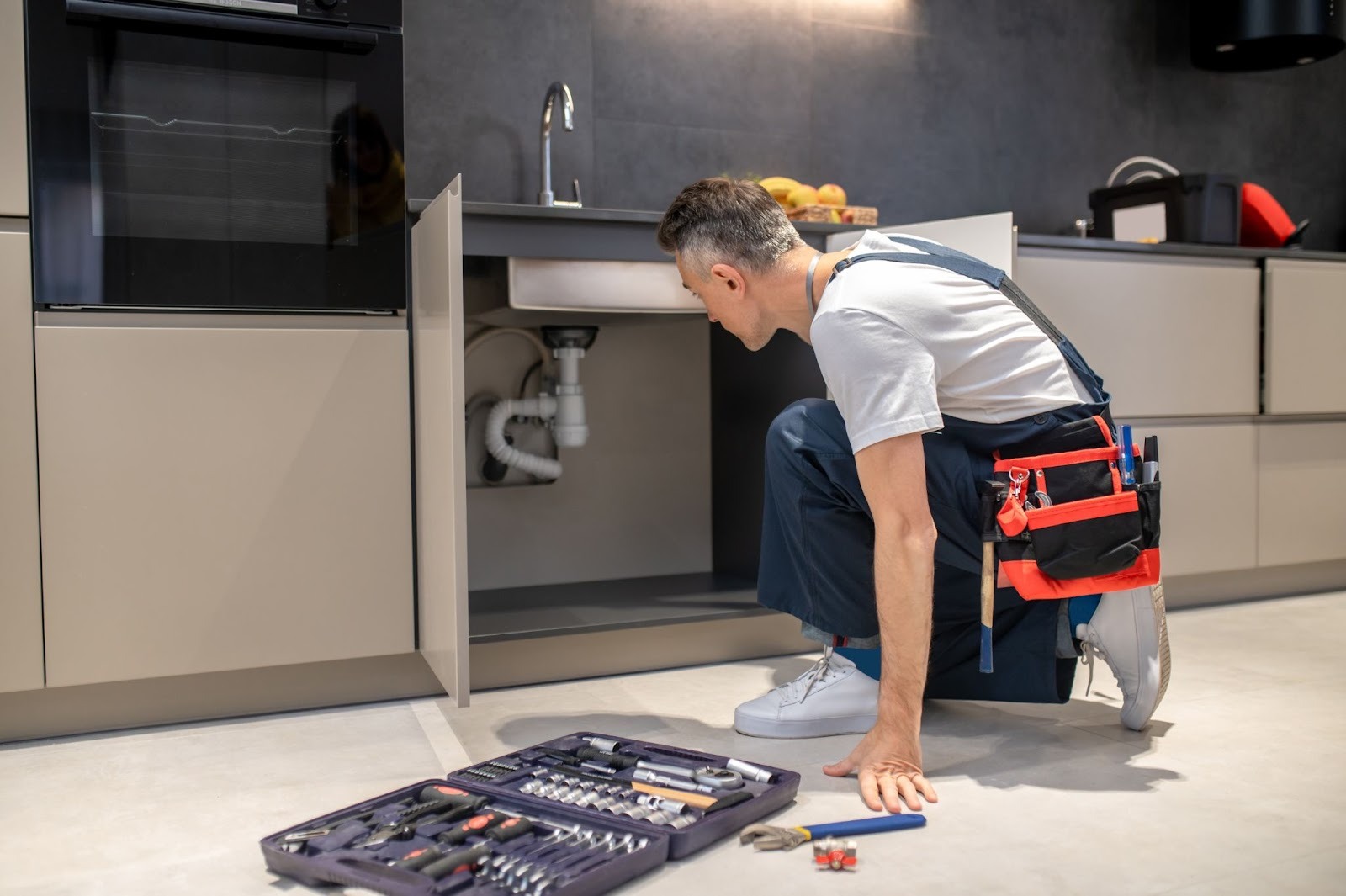
Water damage often develops silently behind walls and under floors. A loose-fitting or poorly sealed joint can leak slowly for weeks. This moisture buildup weakens wood framing and encourages mold growth. Mold remediation and structural repairs cost far more than a service call. A residential plumber tightens fittings correctly and tests connections under pressure. That precision reduces the likelihood of concealed deterioration.
Escalating Repair and Emergency Fees
Small plumbing issues can escalate into widespread damage if not handled correctly. An improperly installed pipe may hold temporarily before failing under normal water pressure. When pipes burst, cleanup and restoration services add substantial expense. Emergency plumbing visits also carry higher rates due to urgency. Additionally, insurance claims may face scrutiny if unlicensed work caused the failure. Hiring a professional residential plumber early often prevents these compounded costs.
How Poor Plumbing Repairs Raise Utility Costs
Poor plumbing repairs increase water waste, energy consumption, and monthly utility expenses. This inefficiency often starts with minor leaks, incorrect pipe sizing, or poorly installed fixtures. A dripping faucet can waste hundreds of gallons each month, while hidden leaks can waste thousands of gallons annually. Improper water heater installation also forces the unit to work harder, which increases energy bills and shortens the equipment’s lifespan. A residential plumber evaluates flow rates, pressure levels, and appliance connections to improve system efficiency. Correct repairs reduce environmental strain and help homeowners control long-term operating costs.
Why Professional Residential Plumbing Beats DIY Fixes
Home plumbing systems operate under pressure, both mechanically and financially. A single repair decision can affect your property’s structure, safety, and resale value. Many homeowners weigh the appeal of a quick DIY fix against calling a residential plumber. The difference between those choices becomes clearer when you examine the practical reasons behind professional service.
Professional Expertise Over Trial Repairs
Professional knowledge delivers reliable solutions that trial repairs rarely achieve. This experience comes from structured training, field exposure, and technical precision. Homeowners who rely on online tutorials often resort to guesswork. A residential plumber approaches each issue with proven methods and measurable standards.
Accurate Diagnosis the First Time
Accurate diagnosis forms the foundation of lasting plumbing repairs. Low water pressure may stem from sediment buildup, pipe corrosion, or supply restrictions. Without proper testing equipment, homeowners often misjudge the cause. A licensed plumber measures pressure levels and inspects internal pipe conditions before recommending action. This systematic evaluation reduces repeat repairs and wasted effort. Clear identification of the issue leads to dependable, long-term solutions.
Long-Lasting Repairs Instead of Quick Patches
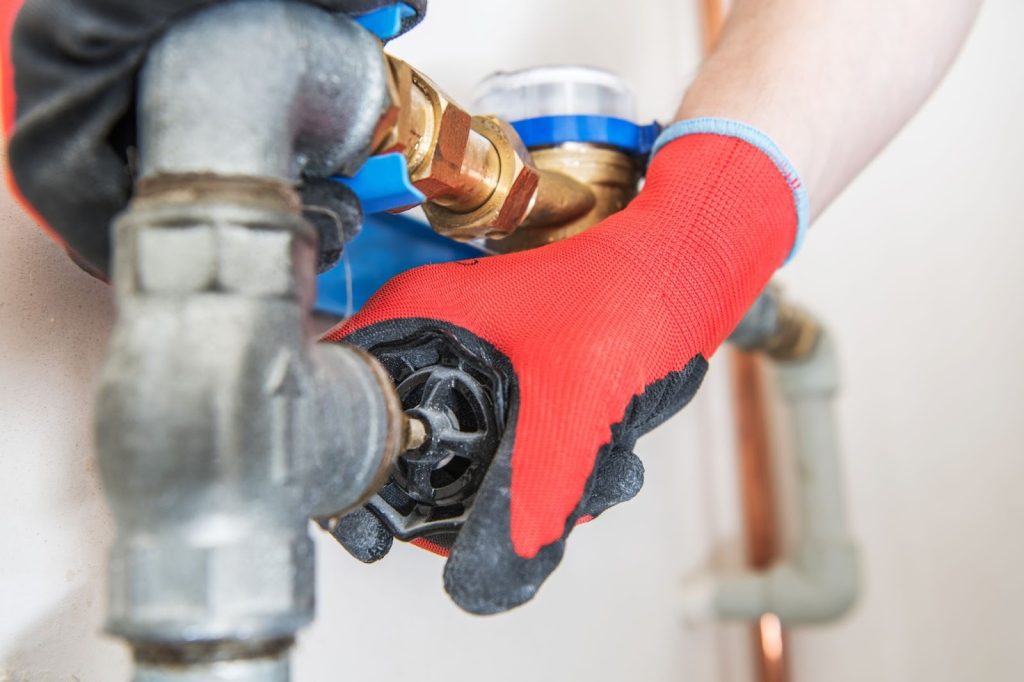
Short-term patches may stop a visible leak but rarely resolve structural weaknesses. Store-bought sealants often fail under continuous water flow and pressure changes. Professional plumbers choose materials that match the pipe type and system condition. This careful selection improves durability and performance. Proper installation techniques also reduce stress on joints and fittings. Homeowners gain stability and fewer recurring disruptions.
Safer Plumbing Work Inside Your Home
Plumbing repairs involve more than simple part replacements. This work frequently includes high water pressure, heating elements, and gas connections. Incorrect handling of these components can create serious hazards. A residential plumber understands system risks and manages them responsibly.
Controlled Water Pressure and Pipe Stability
Residential plumbing systems rely on balanced water pressure to prevent pipe strain. Replacing fixtures without pressure testing can overload fittings. Excess pressure may cause joint separation or internal pipe cracks. A professional plumber checks pressure levels before completing repairs. This precaution supports stable system operation. Correct calibration protects walls, flooring, and structural materials.
Secure Gas and Water Heater Installations
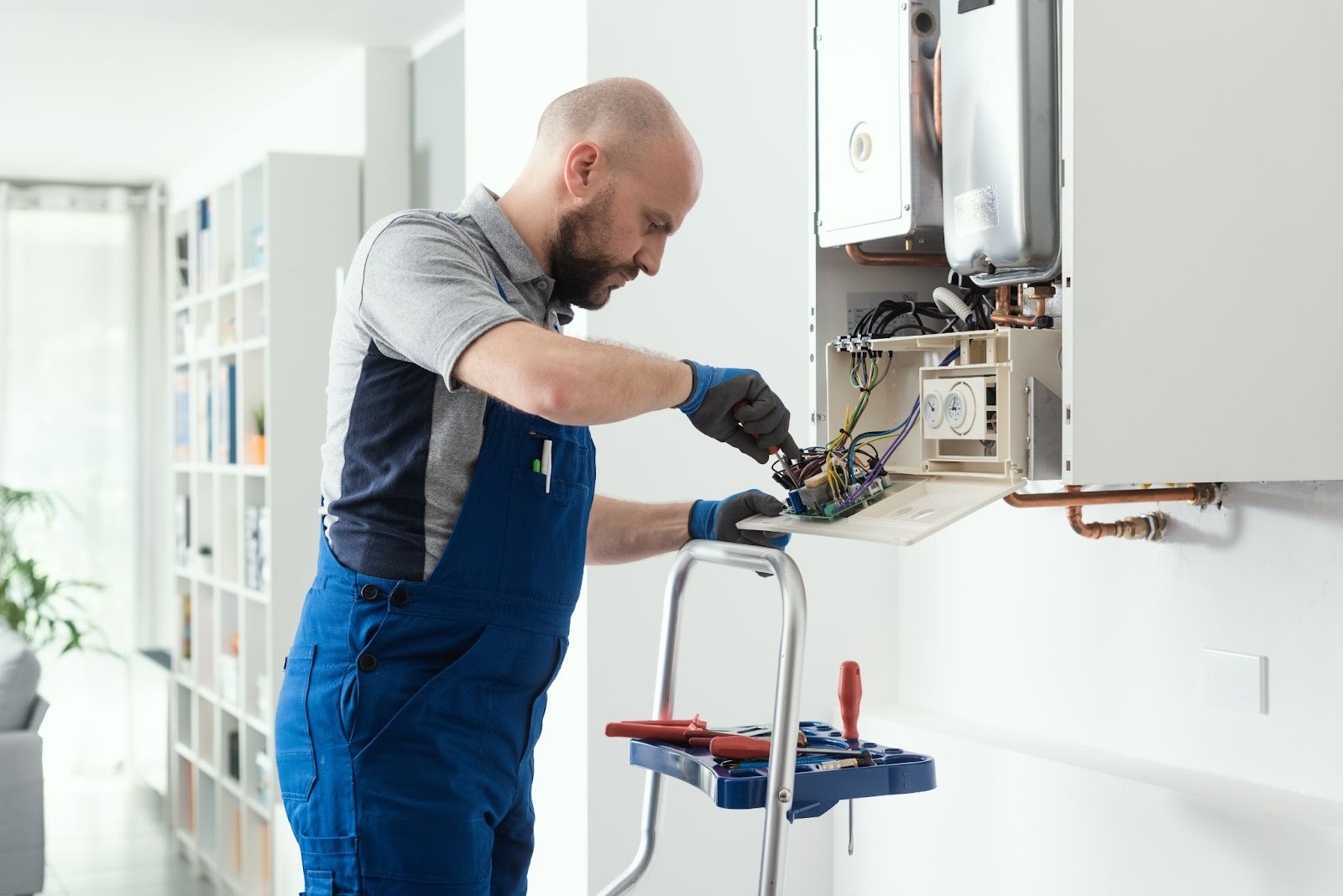
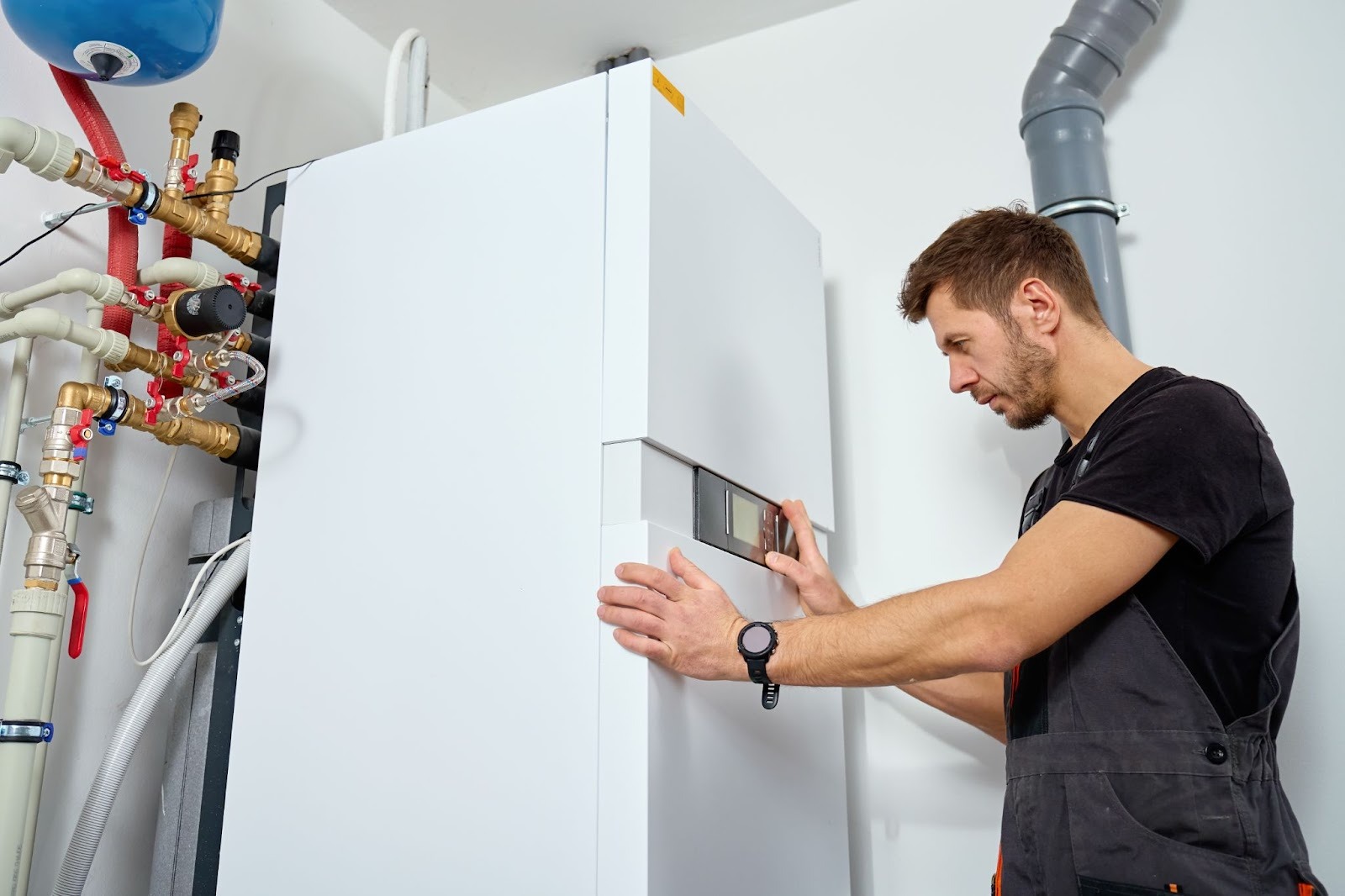
Water heaters combine plumbing, gas supply, and, in some cases, electrical wiring. Improper setup can lead to gas leaks or component overheating. Exposure to gas in enclosed spaces poses serious health risks. Electrical connections near water increase the risk of shock. Licensed plumbers follow safety codes and conduct post-installation testing. This disciplined process reduces the chance of dangerous system failures.
Greater Efficiency and Accountability
Hiring a residential plumber reduces disruption and protects your schedule. This professional efficiency matters for homeowners managing work and family responsibilities. Plumbing tasks often expand in scope when handled without experience. Skilled service restores functionality with minimal inconvenience.
Faster Resolution with Professional Tools
Experienced plumbers follow structured repair procedures built on years of practice. They arrive equipped with specialized tools and common replacement components. This preparation prevents delays caused by multiple store visits. Most residential repairs are completed in a single appointment. Faster service shortens household disruption. Efficient problem-solving also reduces stress during unexpected breakdowns.
Workmanship Backed by Service Guarantees
Reputable plumbing companies provide warranties on completed work. This coverage offers reassurance if issues resurface after service. DIY repairs do not include formal accountability. Any future failure will require additional time and expense for the homeowner. A residential plumber documents services performed and materials used. That documentation strengthens protection in insurance or resale situations.
Code Compliance That Protects Property Value
Plumbing regulations safeguard health and structural integrity in residential buildings. This regulatory framework defines approved materials and installation standards. Local authorities may review plumbing during renovations or property sales. Professional compliance supports long-term property stability and market appeal.
Alignment with Local Building Regulations
Each municipality enforces specific plumbing requirements for residential construction. These regulations govern pipe sizing, vent placement, and fixture connections. Noncompliant installations can delay inspections and require corrective work. A licensed residential plumber stays updated on local code revisions. Compliance prevents legal complications and project setbacks. Proper documentation also simplifies future remodeling plans.
Stronger Resale Confidence and Market Appeal
Homebuyers and inspectors assess plumbing systems carefully during evaluations. Visible defects or unpermitted repairs can weaken negotiating power. Professionally completed work reassures buyers about system reliability. Documented service history reflects responsible property maintenance. A residential plumber contributes to consistent plumbing performance over time. Reliable infrastructure supports stable resale value in competitive housing markets.
Protect Your Home With a Residential Plumber
Your home depends on plumbing that works safely and consistently every day. Small oversights can develop into costly repairs when handled without proper training. A licensed residential plumber brings experience, precision, and accountability to every service call. Professional attention today helps prevent structural damage, rising utility bills, and future disruptions. When plumbing issues arise, trust qualified expertise to safeguard your home and investment.
Before you pick up a wrench, check the Prestige—Plumbing, Heating, and Cooling blog for homeowner-focused plumbing expertise.