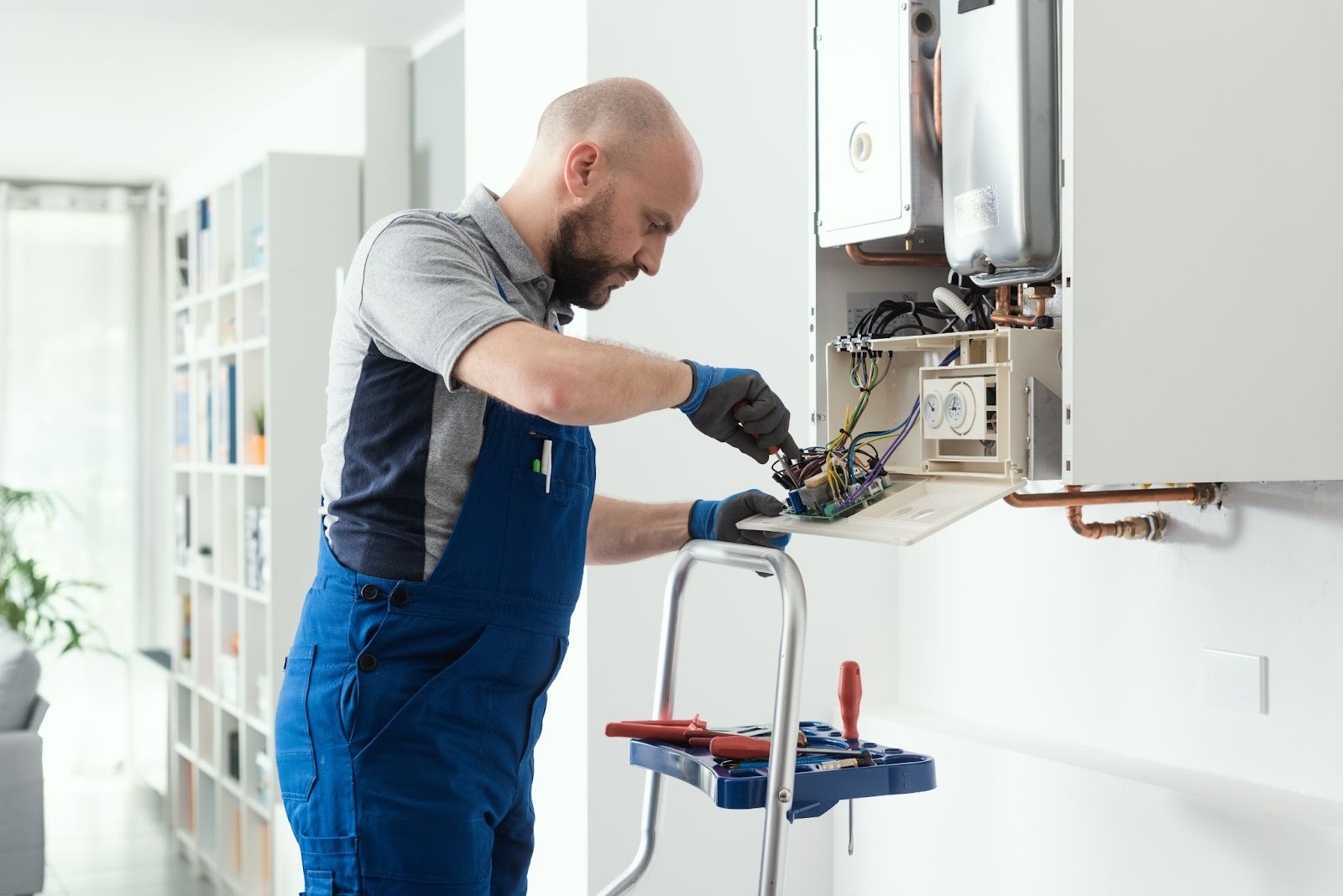

Heating services shape daily comfort, energy efficiency, and household spending in ways that homeowners feel immediately. Many people feel uncertain when estimates differ or when invoices seem difficult to interpret. Those differences usually reflect system type, labor demands, and local service conditions rather than arbitrary pricing. Clear explanations help homeowners plan and avoid unnecessary stress. Understanding how heating services are priced creates confidence when repair or replacement decisions arise.
Heating Service Cost Basics For Homeowners
Heating service costs are a combination of labor, technical skills, equipment requirements, and system design. These charges cover the cost of trained technicians, safety standards, and the time required to complete the work correctly. Homeowners often see only the final number, unaware of the many variables that influence it. A clear understanding of these basics helps homeowners compare quotes more effectively.
Why Heating Service Prices Vary By Home
Heating service pricing varies because homes rarely share identical systems or layouts. Older heating units often rely on discontinued or harder-to-source components, which increases repair costs. Larger homes require more labor time due to extended ductwork or multiple heating zones. Climate conditions also influence pricing because colder regions experience higher seasonal demand. Local labor rates and licensing requirements further affect estimates. These combined factors explain why pricing differences between homes are common.
Labor Costs And Technician Expertise
Labor costs reflect the skill level and training required to service modern heating systems. Experienced heating technicians diagnose problems more efficiently, reducing repeat visits and unnecessary repairs. Advanced systems require specialized certifications, which influence hourly rates. Emergency or after-hours calls increase labor costs due to scheduling disruptions. Insurance coverage and ongoing training expenses also factor into pricing. This labor investment protects both homeowner safety and system reliability.
System Type And Equipment Complexity
Heating systems range from traditional furnaces to advanced heat pumps and boilers. Modern systems rely on electronic controls and precision sensors that require specialized tools. Boiler systems involve water pressure and demand careful handling and expertise. Ductless systems require accurate calibration to maintain comfort levels. As system complexity increases, service time and cost rise accordingly. This complexity directly affects how heating services are priced.
Breaking Down The True Cost Of Heating Services
The cost of heating services extends beyond a single invoice or seasonal repair. Labor, system design, energy use, and service timing all contribute to the final amount homeowners pay. These elements interact over time rather than appearing in isolation. Looking at how heating service costs form sets the stage for understanding the factors that follow.
Diagnostic And Inspection Pricing Drivers
Diagnostic services determine why a heating system is not performing as expected. Technicians assess safety, efficiency, and mechanical condition before recommending repairs. The level of testing required determines how pricing develops. Accurate diagnostics reduce unnecessary repairs and wasted expense.
Standard Heating System Inspection Factors
Standard inspections focus on visible components and baseline system performance. Technicians examine filters, wiring, ignition systems, and airflow. Gas systems also receive combustion and carbon monoxide testing to confirm safety. These inspections usually take less than an hour. Pricing remains moderate compared to repair services. Regular inspections reduce the likelihood of unexpected failures.
Advanced Diagnostic Testing Influences
Advanced diagnostics involve electronic meters, pressure gauges, and system-specific tools. Heat pumps require refrigerant and electrical analysis to confirm proper operation. Boiler diagnostics measure water pressure, valve performance, and circulation efficiency. These tests provide precise fault identification. Specialized tools and training increase service pricing. Accurate diagnostics reduce long-term repair costs by targeting the root cause.

Heating System Repair Expense Drivers
Repair pricing depends on the nature of the failure, system accessibility, and overall condition. Some repairs involve straightforward component replacement, while others require extensive labor. Part availability also affects service timelines and expense. Understanding these drivers helps homeowners prepare financially.
Furnace Repair Price Influences
Furnace repairs often involve igniters, sensors, or blower motors that affect airflow and ignition. Motor repairs require additional labor due to disassembly and testing. Control board issues demand electrical expertise and careful calibration. Gas valve repairs require additional safety checks, which increase service time. Older furnaces present sourcing challenges for replacement parts. Routine maintenance reduces repair frequency and severity.
Boiler Repair Expense Considerations
Boilers rely on pumps, valves, and pressure controls to evenly circulate heat. Circulator pump failures reduce heat distribution throughout the home. Valve leaks require prompt service to prevent water damage. Heat exchanger issues involve detailed labor and safety testing. Boiler repairs often cost more than furnace repairs. Water-related risks increase urgency and expense.
Heat Pump Repair Price Variables
Heat pump repairs address both heating and cooling functions within a single system. Refrigerant leaks require certified handling and precise measurements. Electrical faults affect efficiency and temperature accuracy. Sensor failures disrupt system response to demand. Inverter-based systems increase repair complexity. Regular service reduces unexpected breakdowns.
Preventive Maintenance Pricing Factors
Preventive maintenance limits long-term heating expenses by addressing wear early. Scheduled service identifies small issues before they escalate into failures. Maintenance pricing remains lower than emergency repairs. Predictable service supports consistent budgeting.
Furnace Maintenance Price Elements
Furnace maintenance includes cleaning internal components and testing safety controls. Technicians replace filters and inspect burners for proper operation. Airflow testing improves efficiency and comfort. Annual service remains standard for most systems. Pricing stays consistent across providers. Maintenance lowers the risk of mid-season breakdowns.
Boiler Maintenance Service Variables
Boiler maintenance focuses on pressure regulation and circulation efficiency. Technicians inspect expansion tanks, valves, and pumps for wear. Sediment removal improves heat transfer and system response. Annual service prevents corrosion damage. Costs vary based on boiler size and configuration. Proper maintenance extends system lifespan.
Replacement And Installation Price Influences
Replacement pricing reflects equipment selection, labor demands, and home readiness. Installation quality affects future service needs. Proper preparation prevents inefficiency and strain. Understanding these influences supports better investment decisions.
Furnace Replacement Pricing Structure
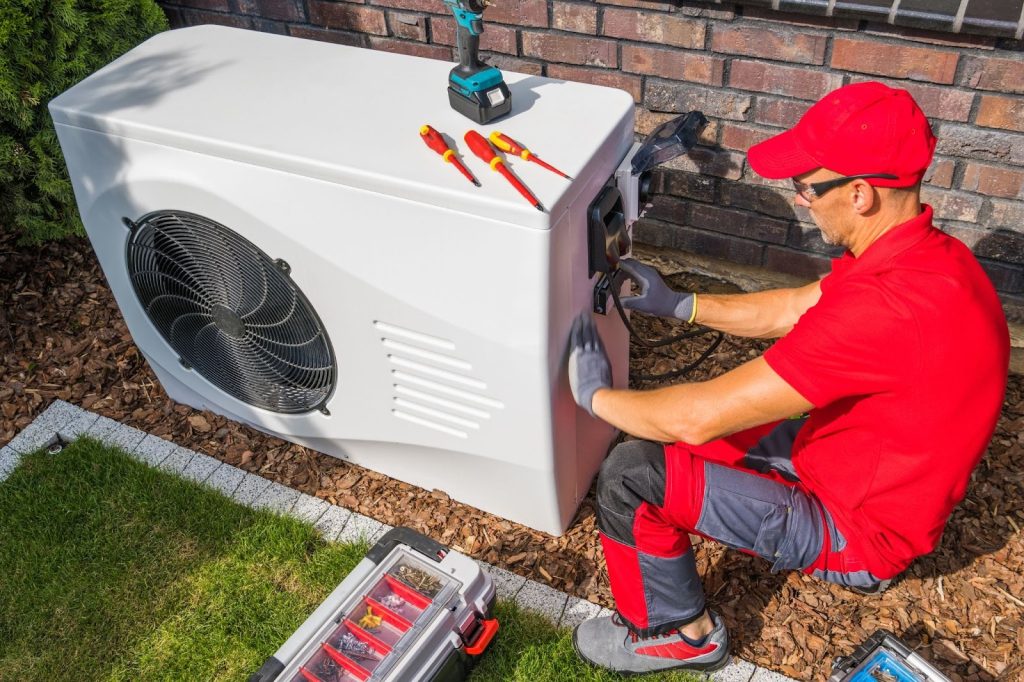
Furnace replacement includes equipment selection and installation labor. High-efficiency models increase upfront expense but reduce energy use. Duct modifications add labor time and materials. Permits increase the total project cost. Installation quality affects performance and durability. Accurate sizing improves comfort and efficiency.
Boiler Installation Price Variables
Boiler installation involves plumbing connections and venting adjustments. Larger homes require higher output systems. Radiator compatibility affects installation complexity. Timelines vary based on system design. Labor intensity influences pricing. Proper installation supports even heat distribution.
Installation Quality As A Long-Term Pricing Factor
Installation quality shapes how often a heating system needs service. Proper setup reduces strain on components from the beginning. Poor installation creates inefficiencies that persist for years. Many long-term expenses trace back to initial setup decisions.
System Sizing Errors Increase Service Needs
Incorrect sizing places unnecessary stress on heating systems. Oversized systems cycle frequently and wear faster. Undersized systems operate continuously under load. Both conditions accelerate component failure. These systems require more frequent repairs. Correct sizing stabilizes performance.
Airflow And Venting Issues Raise Expenses
Restricted airflow reduces efficiency and comfort. Poor duct connections increase system strain. Incorrect venting affects combustion safety. These issues lead to repeated service visits. Repairs often address symptoms rather than causes. Quality installation prevents recurring problems.
Emergency Heating Pricing Conditions
Emergency heating services restore comfort during unexpected failures. After-hours availability increases operational demands. Urgency influences pricing structure. Understanding these conditions sets realistic expectations.
Emergency Repair Rate Escalation Factors
Emergency calls require immediate schedule changes. Technicians respond outside standard business hours. Overtime wages raise service rates. Limited parts availability affects repair timelines. Diagnostics remain necessary during emergencies. Premium pricing reflects urgency and disruption.
Conditions That Increase Emergency Charges
Heat loss during cold weather can cause pipes to freeze. Gas odors require immediate professional response. Boiler leaks threaten safety and property. Vulnerable occupants heighten urgency. Emergency services prioritize protection. Prompt service limits further damage.
Additional Charges That Affect Heating Pricing
Some heating invoices include charges that homeowners overlook. These fees support compliance and logistical needs. Awareness helps avoid billing surprises. Transparency improves planning.
Permit And Inspection Fee Contributors
Local regulations require permits for heating installations. Inspections confirm compliance with safety codes. Fees vary by municipality. Contractors manage required documentation. Charges appear separately on invoices. Compliance protects homeowners.
Ductwork Modification Pricing Factors
Damaged ducts reduce system efficiency and comfort. Sealing leaks improves airflow consistency. Modifications support compatibility with new systems. Labor intensity affects pricing. Access challenges increase service time; improved ducts reduce energy use.
Warranty And Contract Pricing Effects
Warranties and service contracts influence long-term heating expenses. Coverage terms vary by provider and manufacturer. Understanding details protects investments. Strategic choices reduce uncertainty.
Manufacturer Warranty Coverage Limits
Manufacturers cover specific components for set periods. Warranty length varies by model. Registration affects eligibility. Labor costs remain excluded. Documentation supports claim approval. Coverage reduces replacement part expense.
Extended Service Agreement Pricing Impact
Extended agreements cover repairs beyond the manufacturer’s warranty. Plans often include scheduled maintenance. Pricing reflects system age and complexity. Agreements reduce financial uncertainty. Priority scheduling improves access. Careful review supports long-term value.
How Energy Rate Structures Shape Heating Value
Energy pricing models influence how heating services translate into real savings. Utility rate structures determine how efficiency improvements affect monthly bills. Repairs and maintenance alter energy usage patterns across models. Understanding this relationship clarifies the value of the service beyond the invoice.
Utility Pricing Models Affect Heating Expenses
Energy providers use flat, tiered, or time-based pricing structures. Tiered pricing increases rates as usage rises during cold periods. Time-based pricing charges more during peak demand hours. Heating inefficiencies become more expensive under variable rates. Serviced systems reduce excess usage during high-rate periods. This structure amplifies the value of maintenance and repairs.
Fuel Type Volatility Changes Service Payoff
Fuel sources influence heating expenses differently across regions. Natural gas prices fluctuate differently from electricity rates. Oil-based systems experience sharper seasonal price changes. Efficient systems reduce exposure to volatility. Repairs that restore efficiency limit cost spikes. Fuel behavior shapes how service investments pay off.
Improve Control Over Heating Services
Heating services should never feel unpredictable or reactive when homeowners understand how pricing is structured and what influences long-term expenses; decisions become more deliberate and less stressful. Clear knowledge creates leverage when comparing providers, scheduling service, or evaluating repairs. That level of control leads to fewer surprises and heating systems that support comfort without disrupting household plans.
Find reliable answers and expert perspectives on heating services at the Prestige—Plumbing, Heating, and Cooling blog.