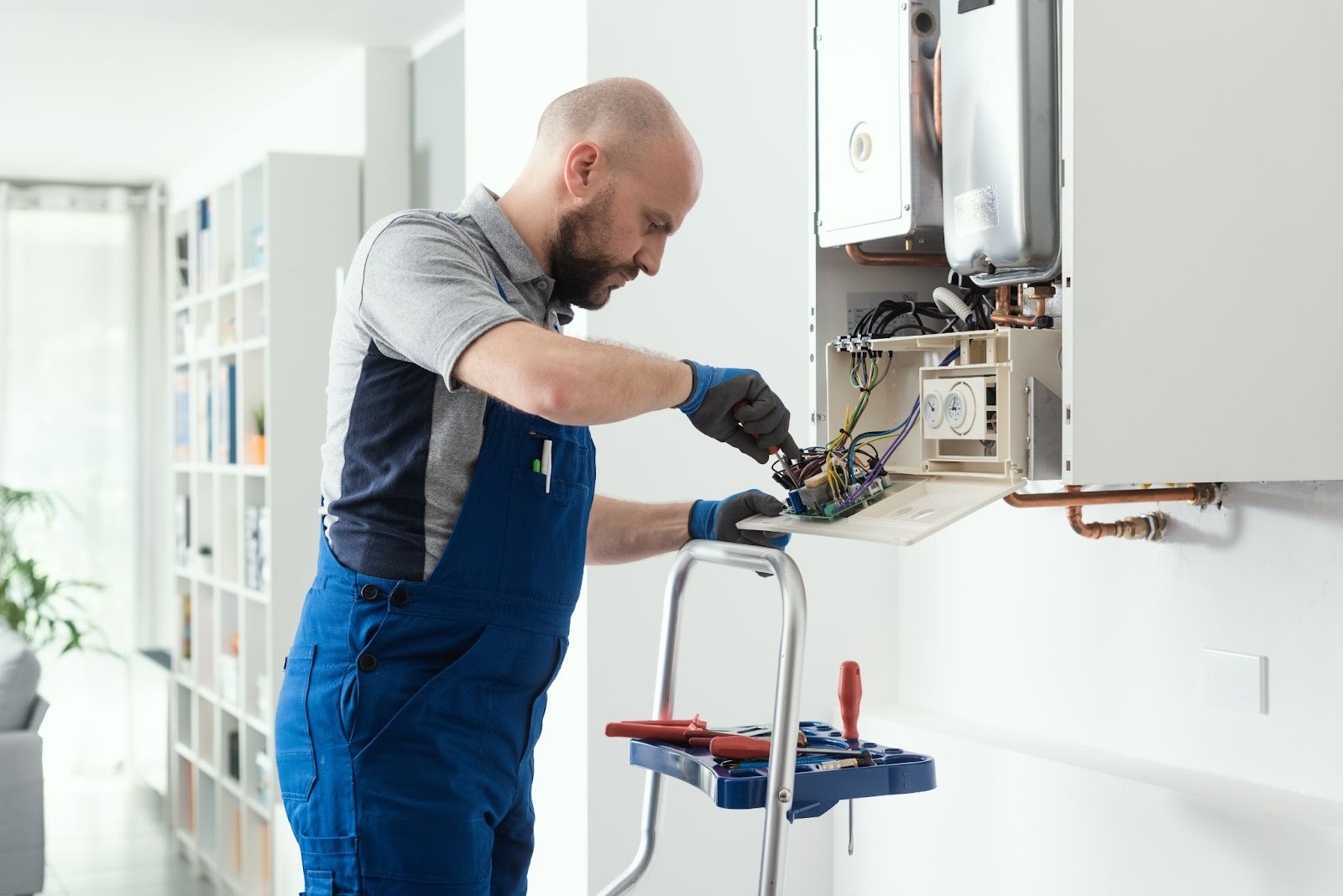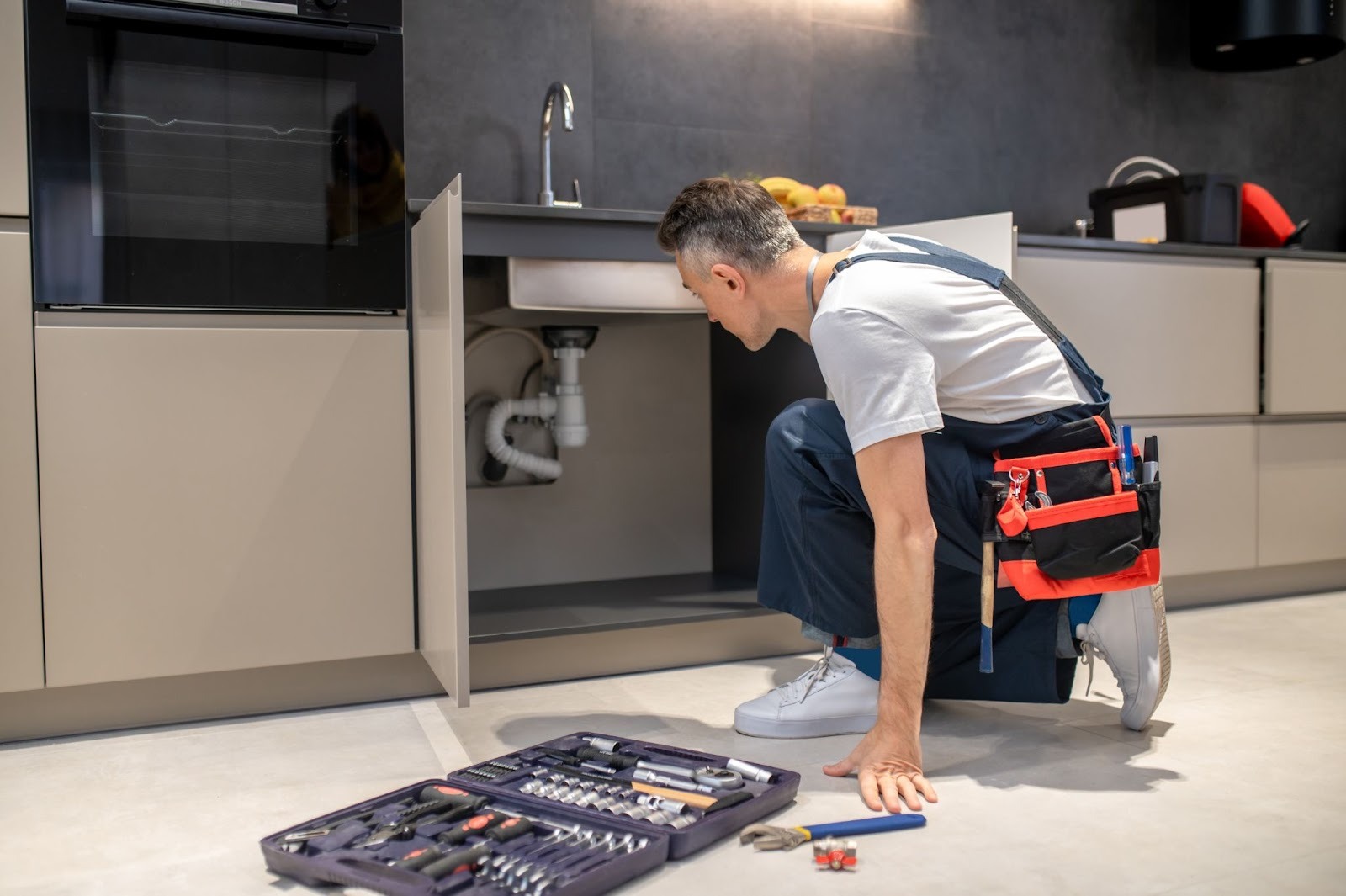

Cold weather quickly reveals how much a home depends on a reliable heating system. When a furnace struggles or shuts down, homeowners often worry about comfort, safety, and unexpected repair bills. Cost uncertainty adds stress, especially when the problem is unfamiliar or urgent. Pricing can vary widely, making it difficult to know what is reasonable. A professional furnace repair service brings clarity by explaining the issue, outlining realistic costs, and restoring heat without guesswork.
Furnace Repair Service Cost Basics
Labor, parts, system design, and service timing shape furnace repair service costs. These elements work differently in every home, which explains why prices rarely match. Technicians begin by identifying the exact cause of failure instead of assuming the problem. That diagnostic approach helps homeowners avoid paying for unnecessary or ineffective repairs.
Service Call Fees and Diagnostic Pricing
A service call fee covers the technician’s travel, inspection time, and diagnostic testing. This diagnostic process identifies the underlying issue rather than treating surface symptoms. Technicians rely on tools, manufacturer specifications, and system readings to reach accurate conclusions. That level of evaluation reduces the risk of repeat breakdowns. Pricing varies based on location, response time, and company credentials. Many furnace repair service providers credit this fee toward the final repair when work is approved.
Labor Rates Based on Skill and Scope
Labor rates reflect the technician’s training, licensing, and experience. Repairs involving gas connections, electrical systems, or airflow balance require advanced expertise. That specialized knowledge protects homeowners from safety hazards and incorrect fixes. Labor time may increase if the furnace is located in a confined or difficult-to-access area. Precise estimates outline expected labor hours before work begins. This transparency helps homeowners approve repairs with confidence.
Parts Pricing and Availability Factors
Parts pricing depends on furnace age, model, and manufacturer support. Older systems often rely on components that are no longer widely stocked. Seasonal demand can also affect availability and lead times. Technicians recommend compatible parts that match system specifications. Higher-quality components typically last longer and perform better. That reliability supports long-term cost control.
The Cost Impact of Furnace Repair Misdiagnosis
Misdiagnosis increases furnace repair service costs by leading homeowners toward unnecessary or incomplete repairs. Many heating symptoms overlap across multiple components, which makes surface-level fixes unreliable. When the wrong part is replaced, the original problem often returns with added strain. Accurate diagnosis protects both the system and the homeowner’s budget.
Why Similar Furnace Symptoms Cause Costly Errors
Many furnace problems present identical symptoms despite different root causes. Short cycling, for example, may stem from airflow restrictions, control faults, or overheating sensors. Replacing only the most apparent component often leaves the actual issue unresolved. That unresolved problem continues to stress the system. Homeowners then face additional service visits and added labor charges. Proper diagnostics reduce recurring costs by addressing the root cause.
How Accurate Diagnostics Reduce Long-Term Repair Costs
Professional diagnostics rely on data rather than assumptions. Technicians evaluate pressure readings, electrical signals, and manufacturer specifications together. This method prevents unnecessary part replacements. Accurate diagnosis shortens repair timelines and limits system disruption. Fewer repeat visits lower cumulative labor costs. That precision improves both reliability and financial predictability.
Common Furnace Problems and Repair Costs
Some furnace problems appear frequently across residential systems. These issues often affect heating consistency, efficiency, or safety. Repair costs depend on the severity of the damage and the accessibility of the components. Understanding these problems helps homeowners recognize why professional service matters.
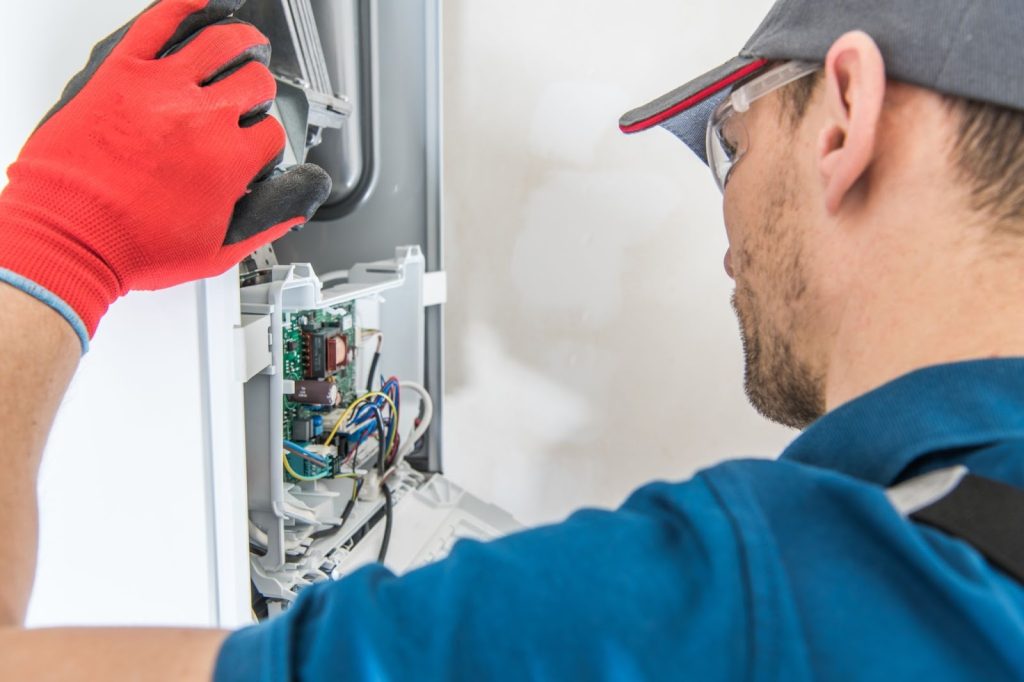
Ignition System Failure Costs
The ignition system starts the heating cycle by lighting the burners. When ignition fails, the furnace cannot produce any heat. Homeowners may notice clicking sounds, delayed starts, or repeated shutdowns. Repairs may involve cleaning sensors or replacing worn ignition components. Costs vary depending on the ignition type and furnace design. Restoring ignition function stabilizes system operation.
Blower Motor and Fan Repair Costs
The blower motor moves warm air through the home’s ductwork. When the motor weakens, rooms may heat unevenly or remain cold. Grinding or humming noises often indicate internal wear. Repairs can involve replacing capacitors, bearings, or the motor itself. Variable-speed motors typically cost more due to design complexity. Proper airflow improves comfort and energy efficiency.
Thermostat and Control Board Costs
Thermostats and control boards regulate heating cycles and safety checks. Communication failures between these components can cause short cycling or no heat. Modern smart thermostats add wiring and compatibility considerations. Repairs require precise testing and careful calibration. Costs depend on the technology involved and the system brand. Stable controls protect overall furnace performance.
Heat Exchanger Damage and Safety Costs
The heat exchanger separates combustion gases from indoor air. Cracks or corrosion introduce serious safety concerns. Technicians inspect exchangers using specialized tools and sensors. Repairs often involve replacement rather than patching. Costs reflect labor demands and safety procedures. Addressing exchanger damage protects household health.
Hidden Factors That Increase Repair Costs
Some repair expenses stem from conditions that are not immediately visible. Timing, maintenance habits, and system age all influence final pricing. These factors often become clear only after inspection begins. Awareness helps homeowners prepare for realistic costs.
Emergency Furnace Repair Timing Costs
Heating failures during cold weather increase service demand. Emergency scheduling requires technicians to adjust hours and priorities. That urgency raises overall repair costs. Temporary fixes may stabilize the system until complete repairs occur. Routine inspections reduce the likelihood of emergency breakdowns. Scheduling flexibility supports cost management.
Deferred Maintenance Cost Impact
Skipping maintenance allows dirt and wear to build up inside the system. Minor issues gradually expand into broader mechanical stress. Motors, burners, and sensors experience added strain. Repairs then involve multiple components rather than a single one. Routine maintenance limits compounding damage. Consistent care protects repair budgets.
Aging Furnace Design Limitations
Older furnaces lack modern efficiency features and diagnostics. Replacement parts become harder to locate as models age. Technicians may spend additional time adapting solutions. Repair complexity increases with outdated designs. Energy use often rises alongside repair costs. System age strongly influences repair decisions.
Home Layout and Duct Design Affect Repair Pricing
Home layout and duct design directly influence the complexity and cost of furnace repair services. These structural factors affect airflow, heat distribution, and component strain. Poor airflow forces furnaces to work harder than they should. Over time, that stress increases the frequency of repairs.
How Airflow Restrictions Increase Furnace Wear
Restricted airflow raises internal furnace temperatures. Overheating causes safety shutdowns and component fatigue. Blower motors, limit switches, and heat exchangers experience added stress. Repairs then address symptoms rather than causes. Without airflow correction, similar failures return. Addressing duct issues reduces repeat repair costs.
Multi-Level Homes and Repair Complexity
Multi-story homes create pressure imbalances within duct systems. Upper floors may receive uneven heat, forcing longer run times. Extended operation increases wear on motors and controls. Repairs take longer due to diagnostic complexity. Technicians must evaluate both equipment and airflow paths. That added time influences service pricing.
Repair Versus Replacement Cost Decisions
Repair and replacement decisions require balancing cost and system condition. Homeowners must consider both immediate expense and long-term value. Precise evaluation prevents repeated spending on declining equipment. Professional guidance supports informed choices.
Repair Cost Compared to System Value
Repair costs should align with the furnace’s remaining value. High repair bills on aging units raise financial concerns. Newer systems offer improved efficiency and reliability. Repair history helps predict future expenses. Short-term savings may lead to ongoing costs. Evaluating total ownership expense provides clarity.
Energy Efficiency and Utility Cost Impact
Modern furnaces convert fuel into heat more efficiently. Improved efficiency lowers monthly utility bills over time. Repairs restore function but do not change design efficiency. Homeowners should compare projected energy savings. Rebates may offset replacement pricing. Energy performance affects long-term affordability.
Warranty Coverage and Financial Limits
Manufacturer warranties cover specific parts for defined periods. Labor warranties vary by service provider. Out-of-warranty repairs increase out-of-pocket costs. Extended warranties offer additional protection but require careful review. Coverage details influence repair decisions. Proper documentation supports cost control.
Local Climate and Utility Costs Shape Repair Value
Climate conditions and energy pricing influence the value of furnace repair services more than many homeowners realize. Heating demand affects how often systems cycle and how they wear. Utility costs determine how inefficiency affects monthly expenses. These factors shape long-term repair decisions.
Cold Climate Operation and Repair Frequency
Colder regions place greater demands on furnaces. Extended run times accelerate component fatigue. Ignition systems, motors, and sensors experience higher stress. Repairs may occur more frequently under these conditions. That increased usage shortens component lifespan. Climate context helps explain recurring repair needs.
Energy Rates and Repair Cost Justification
High utility rates amplify the cost of inefficiency. Older furnaces may function after repair but consume more energy. Rising bills then offset short-term repair savings. Homeowners should evaluate repair costs alongside energy use. Regional utility pricing affects total ownership expense. This evaluation supports informed repair decisions.
Furnace Repair Service Costs That Need Attention
Furnace problems rarely resolve on their own. Delayed repairs often lead to higher costs and reduced comfort. Safety risks also increase when systems malfunction. Timely service protects both homes and finances.
Warning Signs That Signal Growing Damage
Unusual noises often indicate mechanical stress. Uneven heating suggests airflow problems. Rising energy bills reflect declining efficiency. Frequent cycling points to control issues. Recognizing these signs supports timely service. Awareness limits system strain.
Protecting Comfort, Safety, and Home Value
Reliable heating maintains consistent indoor comfort—safe operation guards against health risks. Well-maintained systems support property value. Repair investments preserve performance and efficiency. Professional service offers reassurance. Long-term benefits support informed decisions.
Select a Furnace Repair Service That Delivers Value
Home heating decisions shape comfort, safety, and long-term household expenses more than many homeowners realize. Choosing the right furnace repair service means working with professionals who accurately diagnose, clearly explain costs, and respect the system as a whole. That level of service reduces repeat repairs, limits wasted spending, and supports consistent performance through demanding seasons. When expertise and transparency guide the work, homeowners gain confidence that every repair supports lasting value rather than short-term fixes.
Explore clear, homeowner-focused guidance on heating repairs by reading the latest articles on the Prestige—Plumbing, Heating, and Cooling blog.