
Hard water problems have a way of showing up everywhere at once—spotty dishes, stiff laundry, soap that won’t lather, dry skin, and that chalky scale buildup on faucets and showerheads. When you already have a water softener, it’s frustrating to see those symptoms return because the system is supposed to prevent them. The good news is that a “softener not working” doesn’t automatically mean you need a full replacement. In many cases, the right water softener service can restore performance quickly and cost-effectively by addressing issues like salt bridging, resin problems, clogged injectors, worn seals, or simple programming errors.
The Difference Between Water Softener Service vs. Replacement
A water softener’s job is to remove hardness minerals like calcium and magnesium through a resin-based ion exchange process, which helps prevent scale buildup and improves how water feels and behaves throughout your home. When the system is working properly, you’ll notice fewer mineral spots, better soap performance, and less scale on fixtures and appliances, often without thinking about it day to day. If those benefits fade, the key is determining whether the unit has a correctable performance issue or a deeper structural problem. Water softener service is often sufficient when the core components are intact, and the issue is due to maintenance, settings, or replaceable parts rather than tank damage or systemic failure.
Soft Water Symptoms Are Your First Clue
When spotting and buildup return, it’s often a sign the softener isn’t regenerating or isn’t exchanging properly.
“Not Working” Doesn’t Always Mean “Dead”
Many softener problems stem from clogs, salt issues, or serviceable parts that need to be replaced.
Common Signs You Need Water Softener Service
Most softener problems show warning signs long before the unit completely fails, and recognizing those clues can save you from replacing a system that’s still salvageable. If you notice water feeling hard again, soap not lathering, scale returning on faucets, or a drop in water pressure, it often indicates a softener that isn’t regenerating correctly or isn’t moving brine through the system as designed. You may also notice the salt level not going down, a unit stuck in a cycle, or error codes, depending on the model. Water softener service can usually diagnose these issues quickly and restore regular operation by cleaning components, correcting settings, or replacing small parts.
Hard Water Returns Suddenly
A noticeable shift in feel or spotting can indicate a regeneration issue or a brine delivery problem.
Salt Level Never Changes
If the salt isn’t being used, the system may not be drawing brine or may be bridged.
Bridging, Mushing, and Brine Tank Problems
Brine tank issues are one of the most common reasons homeowners think their softener is failing, and they’re often among the easiest to fix with the right service. Salt bridging happens when a hard crust forms above the water level, creating a hollow space so the softener can’t dissolve salt properly, while salt mushing occurs when salt turns sludgy and blocks brine movement. Either issue can prevent proper regeneration, leading to hard water symptoms even though the system appears “full of salt.” Water softener service typically includes breaking up bridges, removing sludge, cleaning the brine tank, and confirming that the float and safety controls are working so the unit can regenerate consistently.
A Full Tank Can Still Mean No Brine
A salt bridge can make the tank look fine while the system is actually starved of brine.
Cleaning the Brine Tank Restores Flow
Removing sludge and checking the brine components often solves performance problems quickly.
Water Softener Service Often Solves Resin Bed Issues
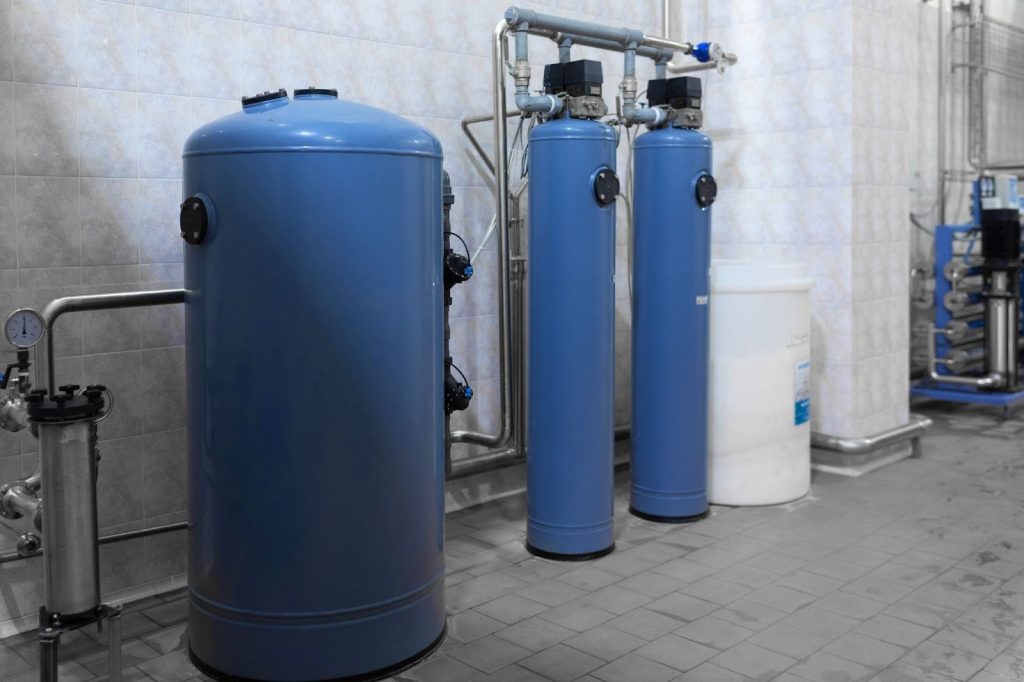
The resin bed is the heart of a water softener, and while resin can degrade over time, it doesn’t always mean the entire unit needs to be replaced. Resin can become fouled by iron, sediment, or organic matter, reducing its ability to exchange hardness minerals efficiently and causing the system to underperform. In many cases, a technician can evaluate resin condition and recommend cleaning treatments or partial maintenance steps that restore performance without a new system. Water softener service is typically sufficient when the tank and control valve are sound, and the resin is structurally viable, even if it needs cleaning or optimization.
Fouled Resin Can Mimic System Failure
When resin is coated or clogged, the softener may regenerate but still deliver hard water.
Service Can Extend Resin Life
Proper cleaning and system adjustments can restore softness and delay major replacement costs.
When the Control Valve or Injector Is Clogged
Many softeners rely on a control valve, injector, and venturi system to pull brine during regeneration, and when these small parts clog, the entire unit can appear to “stop working.” Sediment, debris, or mineral buildup can block the injector, prevent proper brine draw, and leave the system regenerating without actually recharging the resin. This type of issue makes replacement feel tempting because performance drops quickly and consistently. Water softener service can clean or replace the injector and related components, restoring brine draw and bringing the system back to normal without changing the entire unit.
A Clogged Injector Stops Brine Draw
If the unit can’t pull brine, the resin can’t recharge, and hardness will return.
Small Parts Can Cause Big Symptoms
A minor clog can cause major performance issues even when the rest of the softener is working correctly.
When Settings, Programming, or Regeneration Schedules Are Off
Sometimes the softener is mechanically fine, but it’s simply not set up correctly for your home’s water hardness, household size, or water usage habits. If the hardness setting is too low, the unit may exhaust its resin capacity before the next regeneration, leading to intermittent hard water. If the regeneration schedule is too frequent, you may waste salt and water without improving performance, and if it’s too infrequent, hardness will return between cycles. Water softener service often includes testing water hardness, checking the unit’s programmed settings, and adjusting regeneration frequency so the system matches your real-world demand and runs more efficiently.
Wrong Hardness Settings Cause Inconsistent Softness
If the unit is under-calibrated, it may produce soft water at first and then fade quickly.
Proper Scheduling Saves Salt and Water
The proper cycle timing improves performance while reducing unnecessary regeneration waste.
Choosing Water Softener Service When Repairs Are Minor
One of the clearest indicators that service is sufficient is when the problem is isolated to standard-wear parts that can be replaced without major disassembly or tank replacement. Seals, spacers, O-rings, floats, and small motor components can wear out over time, causing leaks, cycling issues, or brine problems, but these repairs are typically straightforward for a professional. If your unit is otherwise in good condition and has not had repeated failures, water softener service is often the most cost-effective decision. In many homes, a single well-timed service visit restores normal function and adds years of life to the system.
Wear Parts Are Normal Over Time
Seals and small components wear, but they can usually be replaced without replacing the whole unit.
One Repair Can Restore Full Performance
If the underlying system is healthy, a targeted fix can quickly restore soft water.
When Water Softener Service Is Not Enough
Replacement becomes more likely when a softener is older, repeatedly breaks down, or operates inefficiently compared to modern systems. Over time, internal wear can stack up—resin loses capacity, valves wear down, and components become harder to source—so you end up paying for service calls that only provide short-term relief. Older softeners may also use more salt and water per regeneration, which can make them more expensive to operate even when they’re technically working. If you’re seeing a pattern of repairs and recurring hard water symptoms, water softener service may still be possible. Still, replacement may offer a more reliable, cost-effective long-term solution.
Recurring Problems Are a Red Flag
If the same issue returns repeatedly, the system may be nearing the end of practical serviceability.
Efficiency Matters More Than You Think
Modern units can reduce salt and water waste, thereby impacting long-term operating costs.
Structural Damage Means a Service Can’t Compete With Replacement
There are certain issues that service cannot truly “fix” in a lasting way, especially when the system’s structure is compromised. Cracked resin tanks, leaking mineral tanks, and major valve body damage can create ongoing water issues and risk water damage, which makes replacement the safer choice. These problems are less about tuning or replacing small parts and more about the integrity of the system itself. Water softener service can help confirm whether damage is present and whether the unit can be repaired safely. Still, when tanks or key housings fail, replacement is typically the most responsible option.
Tank Leaks Are a Hard Stop
A leaking tank can’t be reliably repaired in most cases and often signals the need for replacement.
Major Valve Damage Reduces Reliability
When core housings crack or warp, performance becomes unpredictable, and repairs may not hold.
Water Softener Service vs. Replacement for Changing Water Conditions
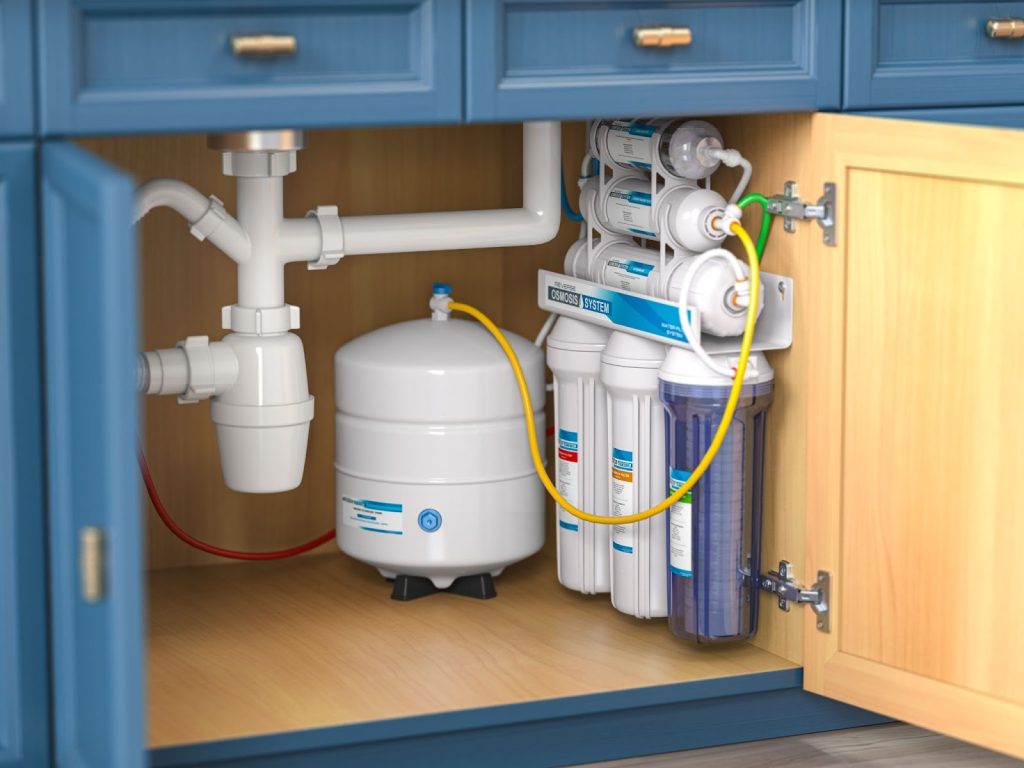
If your water conditions have changed—such as increased hardness, more sediment, iron issues, or changes in municipal treatment—your existing system might be undersized or not designed for what it’s dealing with now. In those cases, a service visit can confirm whether your current softener is still appropriate or whether it’s being pushed beyond its capacity. Sometimes the best solution is a service adjustment combined with filtration upgrades, while other times replacement with an appropriately sized system is the smarter move. Water softener service is valuable here because it replaces guesswork with real testing and helps you make a decision based on the water your home actually receives today.
Hardness Levels Can Shift Over Time
Even if nothing changes inside your home, incoming water quality can change, affecting softener performance.
Sizing Affects Efficiency and Results
An undersized unit may regenerate too often or run out of capacity, driving up costs and frustration.
When Water Softener Service Is Usually Enough
Service is the correct answer when it restores consistent soft water, eliminates hard-water symptoms, and reduces excessive salt or water use caused by inefficient cycles. If your system responds well to cleaning, minor parts replacement, or settings correction—and it maintains that performance—replacement may be unnecessary for years. The goal is dependable results without constant attention: soft water that stays soft, a brine tank that behaves normally, and regeneration that happens efficiently based on your home’s needs. Water softener service is often the simplest and most cost-effective way to get back to that baseline, especially when your unit is otherwise in good condition and hasn’t developed major structural issues.Check out the Prestige – Plumbing, Heating & Cooling blog for practical guidance on water softener service, repairs, and when replacement is the better move.