
Hot water reliability affects daily life more than most homeowners realize. A tankless system promises consistent performance and energy savings, but those benefits depend on proper care over time. Many homeowners assume that fewer moving parts mean fewer service needs, which often leads to delayed maintenance. Tankless water heater service addresses hidden wear that develops long before obvious problems appear. Knowing how to schedule professional care protects comfort, controls costs, and keeps the system running as intended.
What Tankless Water Heater Service Means
Tankless water heater service refers to scheduled professional maintenance that keeps on-demand systems operating efficiently. This type of service focuses on internal components that are constantly exposed to heat and water flow. Over time, mineral buildup and minor calibration issues affect performance without obvious warning signs. Regular professional attention addresses these concerns before they interrupt household routines.
What Professional Tankless Maintenance Covers
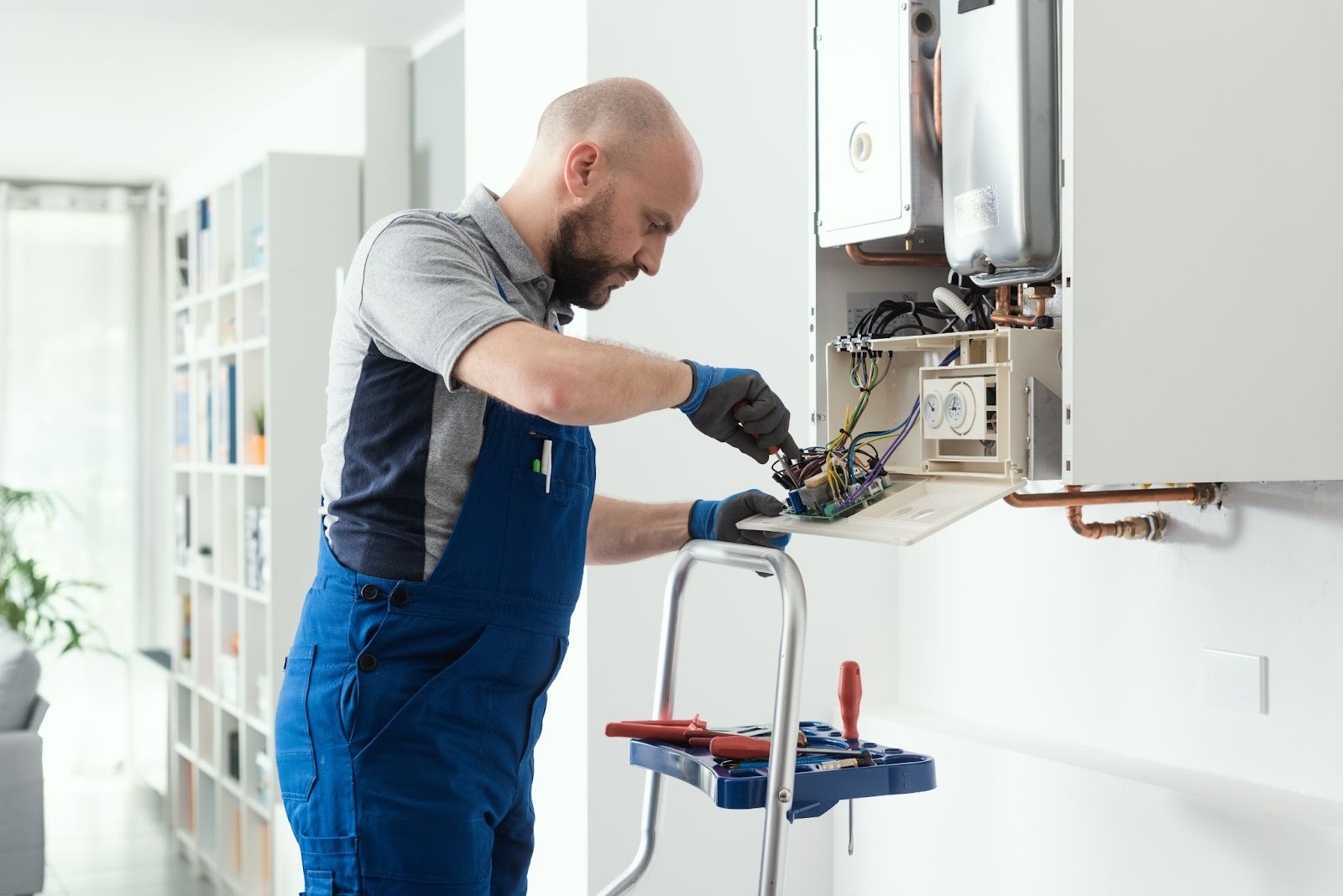
Professional tankless maintenance involves a detailed inspection of internal components, followed by targeted cleaning and testing. Technicians flush mineral deposits from the heat exchanger, which restores proper heat transfer. This service also includes checking sensors, valves, and ignition systems for accuracy. Diagnostic tools measure efficiency and identify early signs of strain. Safety checks confirm correct venting and fuel or electrical connections. This comprehensive approach supports stable hot water delivery and steady energy use.
Why Tankless Systems Need Specialized Care
Tankless systems heat water instantly, placing constant demand on the heating elements. This design makes even small amounts of scale more disruptive than in traditional tank heaters. Mineral buildup forms directly on components responsible for heat transfer. Specialized service removes buildup without harming sensitive parts. Technicians also fine-tune system settings to match household demand. This focused care maintains consistent temperature and flow.
How Often Do You Need a Tankless Water Heater Service?
Most homes benefit from a consistent tankless service schedule tailored to actual usage. Manufacturer guidelines provide a starting point, but household conditions vary widely. Water quality and daily demand influence how quickly internal wear develops. Matching service frequency to these factors prevents gradual performance decline.
Annual Tankless Water Heater Service Schedule
Annual tankless water heater service works well for many households. This yearly visit removes mineral deposits before they restrict water flow or heat output. The service also restores efficiency that slowly decreases during regular operation. Temperature consistency improves after professional cleaning and calibration. Energy consumption remains stable with proper care. This schedule aligns with common manufacturer recommendations.
When Semiannual Service Becomes Necessary
Some homes require tankless service more than once each year. Larger families use hot water more frequently throughout the day. Hard water accelerates the accumulation of minerals in the system. Homes supplied by healthy water often face added sediment concerns. Semiannual service reduces internal stress and the risk of overheating. This adjusted schedule supports dependable performance under heavier demand.
Adapting Service Frequency to Lifestyle Changes
Household routines change over time, which affects water usage patterns. Remote work increases daily hot water consumption in many homes. Extended guest stays also raise system demand. Service frequency should reflect these shifts. Professional evaluations help determine appropriate intervals. This flexible approach keeps performance consistent as needs evolve.
Signs a Tankless Water Heater Needs Service
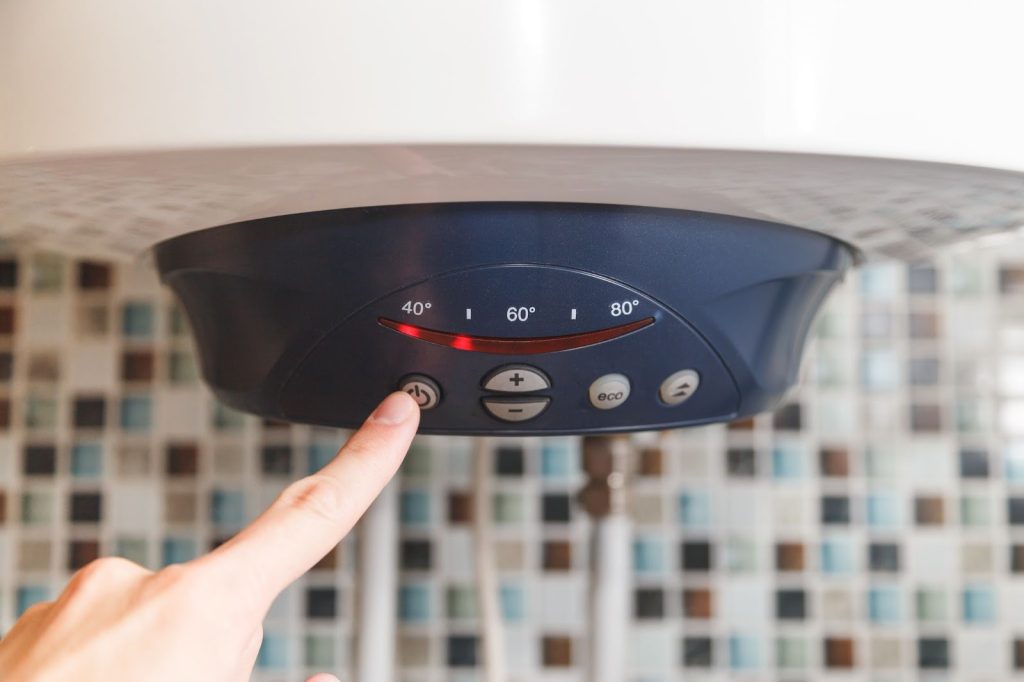
Tankless systems often exhibit subtle signs of stress before failure. Many homeowners overlook these changes because the unit still produces hot water. Small performance shifts usually indicate internal buildup or component strain. Addressing these signals early avoids more costly issues.
Inconsistent Temperature or Reduced Flow
Fluctuating water temperatures often indicate mineral buildup in the heat exchanger. Reduced flow may follow as deposits narrow internal pathways. These changes affect showers, faucets, and appliances. Over time, inconsistency becomes more noticeable. Professional flushing restores proper circulation and heat transfer. Stable output typically returns after service.
Unusual Sounds and System Alerts
Tankless systems usually operate quietly during everyday use. Clicking, rumbling, or whistling sounds suggest overheating or scale formation. Error codes appear when sensors detect abnormal conditions. These warnings often occur before a shutdown. Technicians interpret alerts accurately during service visits. Prompt attention prevents extended downtime.
Rising Energy Bills Without Usage Changes
Unexpected increases in energy bills often signal declining system efficiency. When mineral buildup forms in the heat exchanger, the unit has to work harder to produce the same amount of hot water. This added effort raises gas or electricity consumption without improving performance. Homeowners may not notice changes in water temperature right away. Utility costs rise quietly as efficiency drops. Professional tankless water heater service restores proper heat transfer and stabilizes energy use.
How Water Quality Affects Service Frequency
Water quality plays a direct role in tankless system maintenance needs. Minerals and sediment left behind during heating accumulate inside the unit. Regional water conditions vary from home to home. Understanding local water characteristics helps guide maintenance planning.
Effects of Hard Water on Tankless Systems
Hard water contains calcium and magnesium minerals that settle during heating. These deposits cling to heat exchangers and internal surfaces. Buildup reduces efficiency and forces the system to work harder. Energy use increases as performance drops. Regular service limits internal stress and overheating. This proactive care extends system lifespan.
Well Water and Sediment Challenges
Homes using healthy water often encounter sediment and iron particles. These materials clog filters and internal valves over time. Performance declines faster without regular maintenance. Sediment also interferes with sensor accuracy. Professional service removes debris before damage occurs. Water testing helps determine proper service intervals.
Filtration Systems and Maintenance Balance
Whole-house filtration reduces the amount of minerals and sediment entering the system. Filtered water slows internal buildup and wear. This benefit may slightly extend service intervals. Technicians still inspect filtration systems during maintenance visits. Balanced care combines filtration with professional service. This strategy supports steady efficiency and reliability.
Cost Considerations for Tankless Water Heater Service
Service costs influence how homeowners approach maintenance planning. Routine service offers predictable expenses over time. Unexpected repairs often cost far more than scheduled care. Understanding this balance supports better budgeting decisions.
Maintenance Costs to Repair Expenses
Routine tankless service costs less than emergency repairs. Repairs often involve labor-intensive part replacement and system downtime. Hot water loss disrupts daily routines. Energy bills may rise during inefficient operation. Preventive service avoids unexpected financial strain. Planned maintenance supports household budget stability.
Energy Efficiency and Long-Term Savings
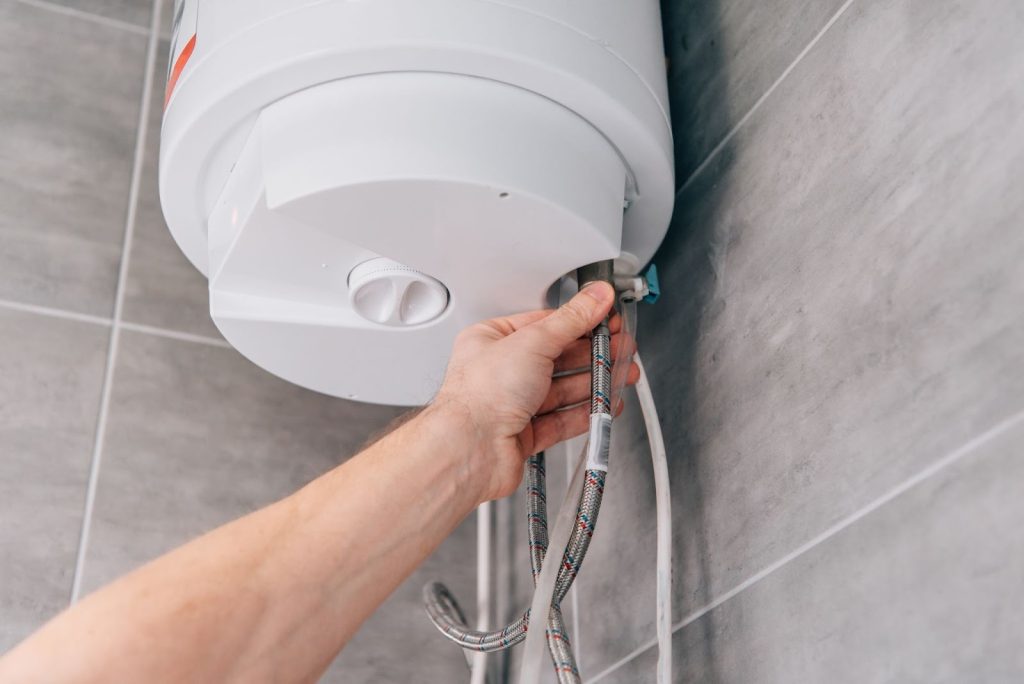
Mineral buildup gradually reduces heating efficiency. Systems consume more energy to meet demand. Professional service restores proper heat transfer and calibration. Energy use stabilizes after maintenance. Utility costs often decrease as efficiency improves. These savings accumulate steadily over time.
How Tankless Heater Service Affects the Entire Home
Tankless water heater service extends beyond hot water delivery. This maintenance practice affects plumbing systems, appliance performance, and daily comfort throughout the home. When service lapses, problems often appear in unexpected places. Understanding this broader impact helps homeowners make better long-term decisions.
Plumbing System Stress from Infrequent Service
Infrequent tankless water heater service increases stress on household plumbing. Mineral buildup inside the unit narrows water pathways and alters pressure balance. This imbalance forces pipes and fixtures to compensate during peak demand. Over time, joints and valves experience added wear. Small leaks or pressure inconsistencies may develop as a result. Regular service stabilizes flow and reduces unnecessary strain on the plumbing network.
Impact on Appliances That Depend on Hot Water
Appliances rely on consistent hot water to operate correctly. Dishwashers and washing machines perform poorly when temperatures fluctuate. Scale particles may also travel downstream during system strain. This debris affects appliance valves and internal sensors. Performance declines without an apparent cause. Routine tankless service supports reliable appliance operation and extends usable lifespan.
Indoor Comfort and Daily Routine Disruptions
Comfort issues often surface before complete system failure. Showers may run cooler when used simultaneously. Sink temperatures fluctuate during routine tasks. These changes disrupt daily schedules without warning. Homeowners may adjust habits rather than address the cause. Professional service restores predictable comfort across the household.
Long-Term Property Value and Inspection Outcomes
Home inspections increasingly evaluate mechanical systems closely. Service records demonstrate responsible ownership and system care. Inspectors often flag neglected tankless units due to the risk of scale buildup. Buyers may request repairs or price adjustments. Consistent service supports smoother transactions. This maintenance history protects long-term property value.
Tankless Water Heater Service by Household Size
Household size directly affects system demand and wear. Smaller homes use less hot water daily. Larger families place a steady strain on internal components. Service timing should reflect actual usage levels.
Service Needs for Smaller Households
Smaller households place lighter demand on tankless systems. Annual service often meets these needs. Water usage remains steady and predictable. Mineral buildup develops more slowly. Technicians verify efficiency during service visits. This routine supports dependable performance.
Service Considerations for Larger Families
Larger families rely on hot water throughout the day. Overlapping usage increases strain on heating components. Internal wear develops faster without maintenance. More frequent service helps manage demand. Technicians monitor system condition closely. This approach supports consistent comfort.
Maintain Comfort Through Tankless Water Heater Service
Tankless water heater service keeps daily routines steady without forcing homeowners to adjust their habits to accommodate system limits. Skipping maintenance can lead to efficiency losses and internal wear, affecting comfort in subtle ways. A planned service schedule supports stable temperatures, consistent flow, and predictable energy use. Professional care today reinforces a home environment that stays comfortable, reliable, and prepared for everyday demand.
For practical home comfort insights and expert maintenance guidance, visit the Prestige—Plumbing, Heating, and Cooling blog and stay informed year-round.