
When the summer heat turns relentless, air conditioning becomes essential for both comfort and productivity. Many property owners, however, struggle to understand the difference between air conditioning service, repair, and maintenance. These terms often sound similar but involve distinct goals, timing, and methods. Knowing which one your system needs helps reduce costs, prevent breakdowns, and maintain optimal cooling performance throughout the year.
Understanding Air Conditioning Service
Air conditioning service is the process of cleaning, inspecting, and adjusting your cooling system to restore its optimal performance. It targets efficiency, airflow, and comfort while detecting minor issues before they worsen. Regular service helps prevent energy waste and keeps systems running reliably in both homes and businesses. By scheduling consistent servicing, you create the foundation for long-term performance and lower repair costs.
What Air Conditioning Service Means
Air conditioning service involves a complete system evaluation performed by a certified HVAC technician. The technician checks refrigerant levels, inspects the coils, cleans the filters, and tests the electrical components to ensure optimal system performance. Each step ensures the air conditioner operates smoothly and maintains stable cooling output. A serviced system consumes less power and cools spaces faster. This process also extends component life by reducing mechanical strain. For homeowners and business owners alike, service is the easiest way to maintain consistent comfort.
What Happens During Professional Servicing
Professional servicing focuses on restoring efficiency and reliability through careful inspection and cleaning. Technicians clear debris from condenser and evaporator coils, tighten electrical connections, and test thermostats. They check refrigerant pressure, drain lines, and airflow to guarantee steady operation. Commercial systems often require more thorough evaluations due to their heavy daily use. Residential units benefit equally from professional attention that identifies hidden wear or inefficiency. Proper service extends the lifespan of cooling systems and improves their performance under high demand.
When to Schedule Air Conditioning Service
The best time to schedule service is before intense seasonal use, such as spring or early fall. Property owners should book the service twice a year for optimal results. Warning signs, such as weak airflow, unpleasant odors, or unusual noises, indicate the need for immediate servicing. Ignoring them can lead to expensive mechanical issues later. Service is a preventive step that protects both comfort and efficiency. Planning regular visits ensures that your air conditioner remains dependable during heatwaves.
The Purpose of Air Conditioning Repair
Air conditioning repair focuses on fixing faults or damaged components that prevent your system from working correctly. It responds to problems like refrigerant leaks, motor failures, or thermostat malfunctions. Repair work restores the system’s ability to cool effectively and safely. Acting quickly on repair needs avoids costly chain reactions that can damage the entire system.
What Defines a Repair
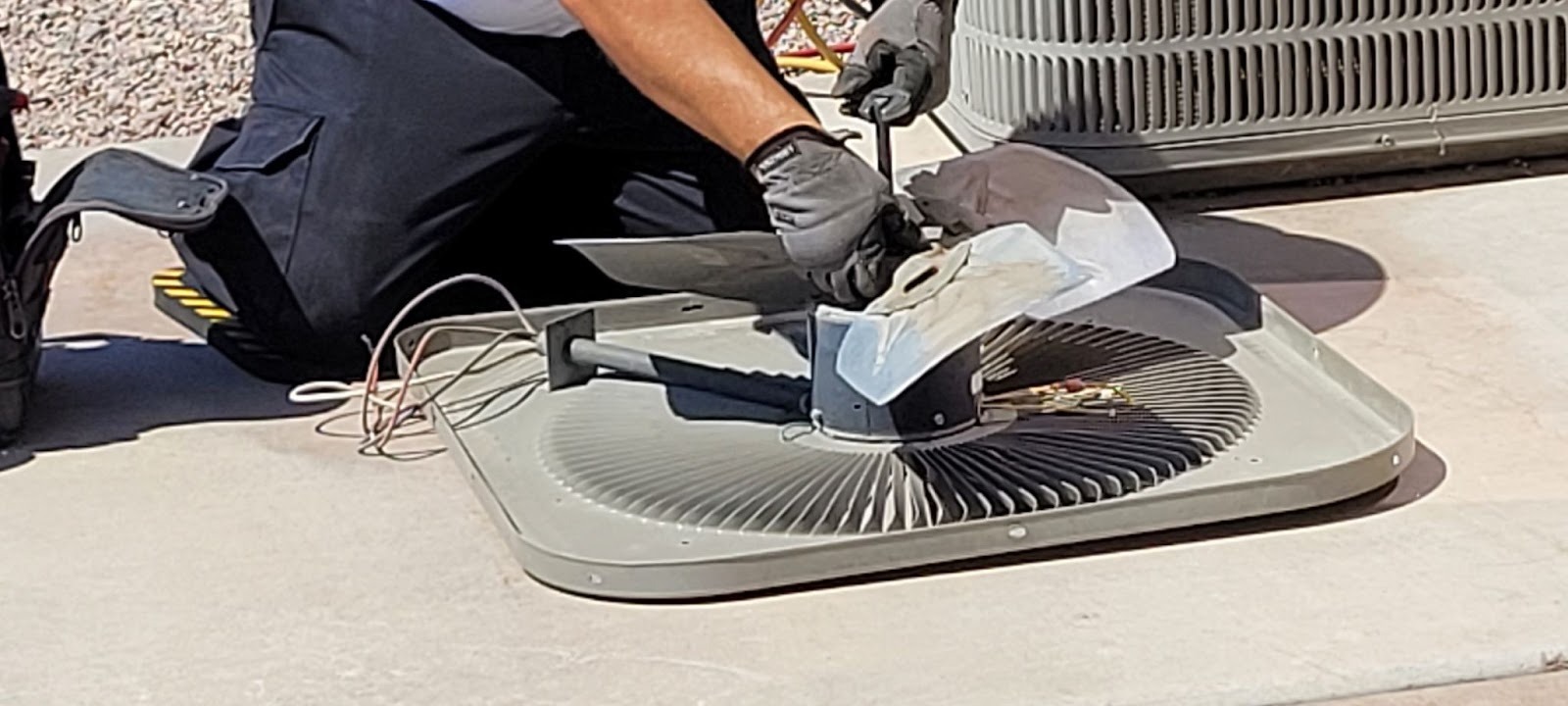
Repairing an air conditioner means diagnosing and correcting a specific failure within the system. This process could involve replacing a capacitor, repairing electrical wiring, or fixing a refrigerant leak. Repairs differ from services because they address immediate breakdowns, rather than general performance tuning. Professional technicians utilize specialized tools and diagnostics to identify the root cause and restore proper function. Quick action prevents further damage to other components. For both residential and commercial systems, timely repair ensures uninterrupted comfort and system longevity.
Common AC Problems That Need Repair
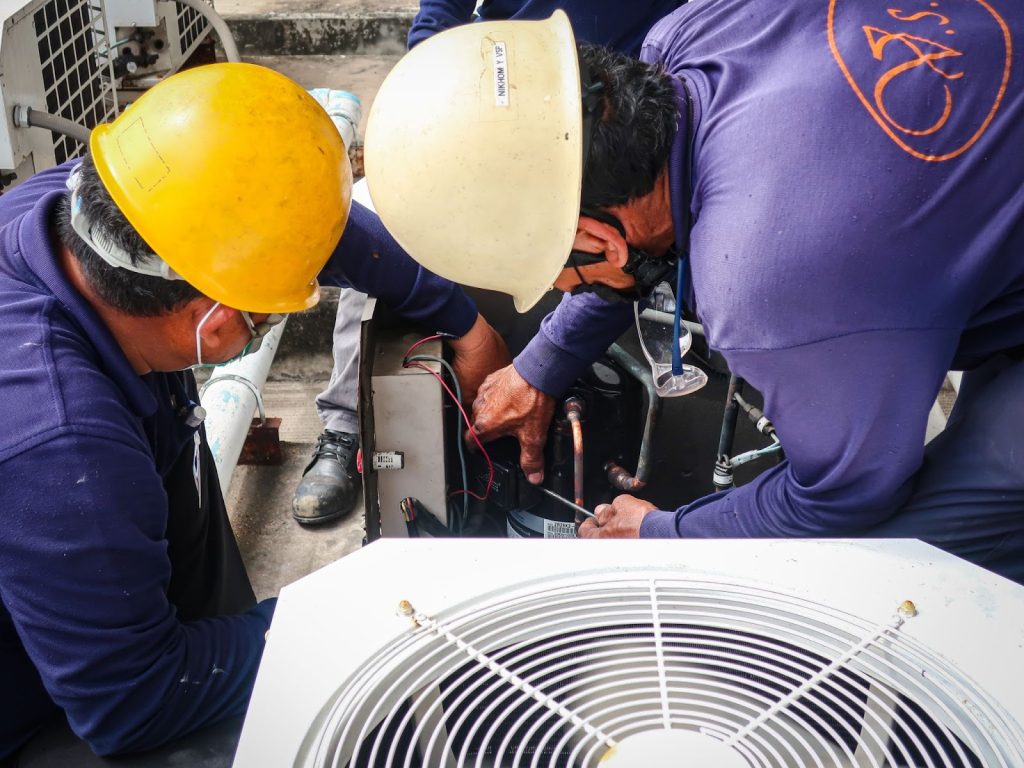
Common repair issues include frozen coils, faulty compressors, and refrigerant leaks. Electrical faults often trigger system shutdowns, while clogged drain lines cause leaks and water damage. A malfunctioning thermostat may send false signals, disrupting cooling cycles. These problems strain other components, raising energy use and repair costs. Addressing them promptly prevents wider system failures. Skilled HVAC technicians identify the source quickly and restore balance through targeted repairs.
How to Tell If Your AC Needs Repair or Service
Understanding when your system needs repair or service saves time and money. Service is preventive, while repair is reactive. If your system still runs but cools unevenly or produces musty air, it likely needs service. If it stops running or blows warm air, it requires repair. Water leaks, grinding sounds, and electrical odors also signal immediate repair needs. Recognizing these differences helps maintain optimal performance and reduces the likelihood of future breakdowns.
The Cost Impact of Delayed Repairs
Delaying air conditioning repairs often turns minor issues into costly system failures. A small refrigerant leak can strain the compressor, potentially leading to a total breakdown. Electrical malfunctions can damage control boards or cause short circuits in wiring. As the system works harder to cool, energy use increases, inflating utility bills. Neglecting timely repairs also shortens system lifespan and reliability. Addressing repair needs promptly preserves performance and prevents more significant financial losses in the future.
The Role of Air Conditioning Maintenance
Air conditioning maintenance is the ongoing care that keeps systems reliable and energy-efficient throughout the year. It’s a proactive approach designed to reduce failures and maintain consistent cooling performance. Maintenance includes cleaning, calibrating, and testing every major component. Through consistent upkeep, property owners save money, extend the lifespan of their equipment, and maintain comfort and indoor air quality.
What Air Conditioning Maintenance Involves
Maintenance involves comprehensive checks aligned with manufacturer guidelines and industry standards. It includes replacing filters, checking electrical components, lubricating moving parts, and inspecting refrigerant levels. Technicians verify airflow, clean drain lines, and ensure thermostats are calibrated correctly—maintenance visits also document system health for warranty protection. Regular upkeep keeps efficiency high and prevents sudden breakdowns. Both homeowners and businesses benefit from predictable comfort and lower utility costs.
Preventive Maintenance vs. Routine Service
Preventive maintenance focuses on preventing problems before they arise, while routine service restores system efficiency when performance begins to drop. Maintenance follows a scheduled plan to ensure steady performance and prolong the system’s life. Service, meanwhile, adjusts and cleans existing parts to restore airflow and balance the cooling system. Both are essential but serve distinct roles in overall system care. When combined, they guarantee dependable performance through every season. A balanced approach helps prevent emergencies and maintains consistent cooling.
Benefits of Regular AC Maintenance
Regular maintenance delivers lasting benefits for both comfort and cost management. It reduces repair frequency and lowers overall energy consumption. Cleaning coils and filters improves airflow and enhances indoor air quality. Systems under maintenance also maintain stronger cooling output during extreme weather. Fewer mechanical failures mean fewer unexpected expenses. Maintenance keeps your system dependable and extends its service life year after year.
Maintenance Plans for Homes and Businesses
Maintenance plans provide structured, reliable care for residential and commercial systems. These agreements schedule inspections and tune-ups automatically throughout the year. Homeowners can select seasonal plans, while businesses often use quarterly programs. Each plan ensures no maintenance interval is missed, keeping performance steady. Plans may also include repair discounts and priority service. Having a dedicated plan saves time and guarantees consistent comfort across all spaces.
How Service, Repair, and Maintenance Work Together
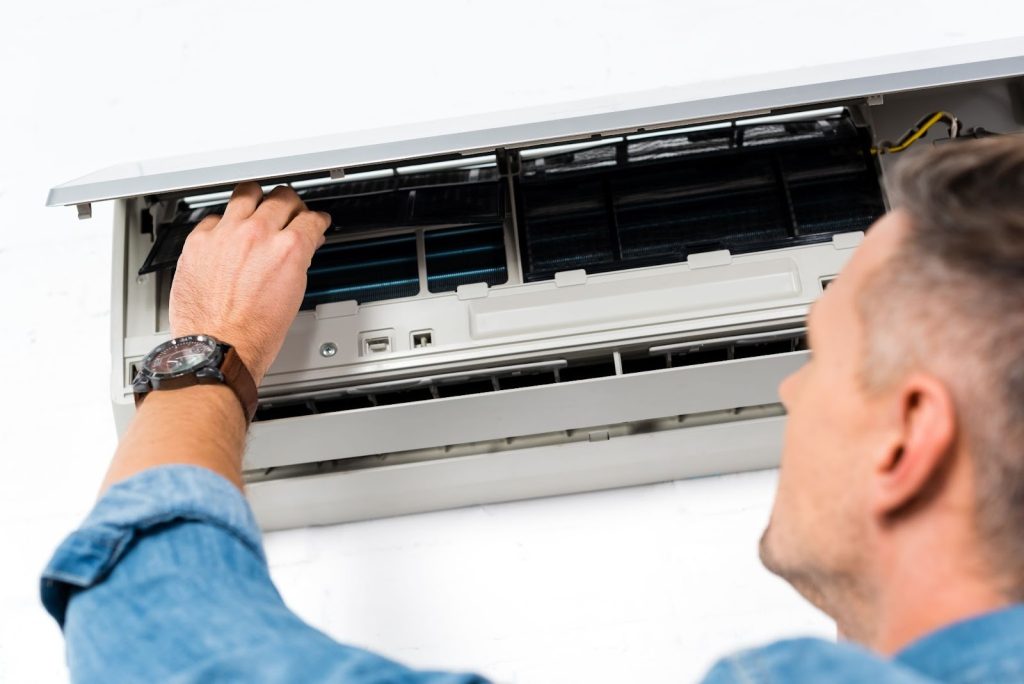
Air conditioning service, repair, and maintenance form a comprehensive care cycle for the system. Together, they promote performance, prevent breakdowns, and extend system life. Service fine-tunes the system, maintenance sustains it, and repair restores function when problems occur. When coordinated through a trusted provider, these processes deliver reliable comfort and cost-effective results.
The Connection Between Each Process
Service, maintenance, and repair each play unique yet interconnected roles in air conditioning performance. Service enhances efficiency by cleaning and tuning components. Maintenance ensures reliability through consistent inspections and adjustments. Repair corrects functional issues that disrupt cooling or pose a safety risk. Skipping one part of the cycle often causes strain on the others. A comprehensive care plan integrates all three to maintain dependable systems throughout the year.
Choosing the Right HVAC Partner
Choosing the right HVAC partner determines the reliability of your air conditioning system. Look for licensed professionals with proven experience in both residential and commercial environments. A qualified provider offers clear pricing, transparent reports, and long-term maintenance options. They should understand your specific equipment model and usage needs. Consistent service from a single provider fosters system familiarity and facilitates efficient problem-solving. Trusted HVAC partners prioritize lasting comfort over short-term fixes.
Signs You’re Getting Quality HVAC Service
Quality HVAC service shows in both technical precision and customer care. Skilled technicians arrive prepared, communicate clearly, and leave systems running better than before. They inspect airflow, test refrigerant levels, and verify the thermostat’s accuracy. Reliable providers also share findings openly and recommend practical solutions. Consistency in results and professionalism reflect actual expertise. When your air conditioner performs smoothly without recurring issues, you’re receiving quality service.
Invest in Reliable Air Conditioning Performance
A dependable cooling system starts with consistent, professional care. Regular service, timely repairs, and planned maintenance help keep your air conditioner running efficiently and extend its lifespan. Reliable performance isn’t luck—it’s the result of attention and expertise. Schedule your next air conditioning service with a trusted HVAC professional and enjoy lasting comfort season after season.
Your system deserves more than a quick fix—it deserves informed care. Explore the Prestige—Plumbing, Heating, and Cooling blog to learn how small steps today can prevent costly repairs tomorrow and keep your comfort steady all year.